



Who needs battery storage fire insurance?
Battery storage fire insurance provides specialised coverage for the unique fire risks associated with battery energy storage systems (BESS), particularly those using lithium-ion technology. Unlike traditional fire insurance, this coverage addresses specific hazards like thermal runaway events, toxic gas emissions, and extended burning duration that standard policies typically exclude or inadequately cover.
What is battery storage fire insurance and why is it becoming essential?
Battery storage fire insurance is specialised coverage designed to protect against fire-related risks specific to battery energy storage systems. This insurance addresses the unique hazards posed by lithium-ion and other battery technologies that traditional property insurance often excludes.
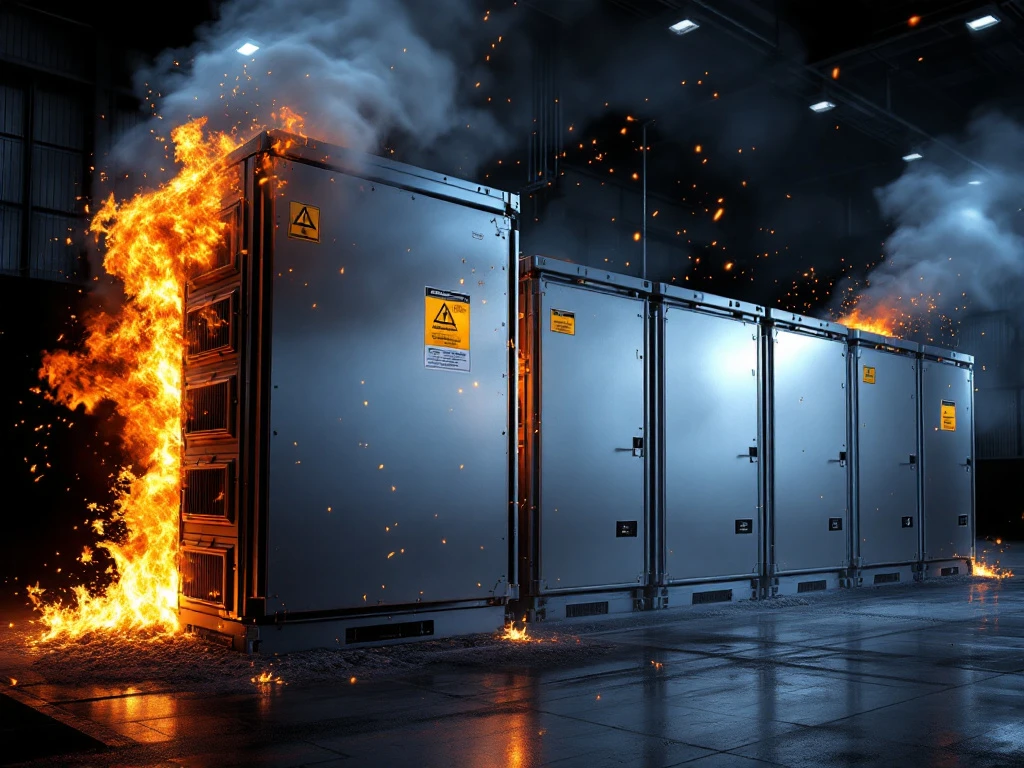
The growing deployment of BESS across commercial and utility-scale projects has highlighted significant fire risks that standard insurance policies cannot adequately address. Lithium-ion batteries, the most common technology in modern BESS installations, present unique challenges including thermal runaway events where cells overheat uncontrollably, potentially spreading to adjacent cells in a cascading failure.
Traditional property insurance policies frequently contain exclusions for battery-related incidents or provide insufficient coverage limits for the specialised response required. Battery fires burn differently from conventional fires, often requiring specific suppression methods and creating toxic gas emissions that complicate emergency response efforts. The extended burning duration of battery fires can last hours or even days, far exceeding typical fire incident timeframes covered by standard policies.
As the energy storage market expands rapidly, insurers have recognised the need for dedicated coverage products that address these specific risks whilst supporting the renewable energy transition.
Who are the primary candidates that need battery storage fire insurance?
Commercial solar project developers, utility-scale battery operators, and energy storage manufacturers represent the primary candidates requiring specialised battery storage fire insurance due to their significant exposure to battery-related fire risks.
Solar project developers integrating battery storage into their installations face substantial fire risk exposure, particularly when systems are located near populated areas or critical infrastructure. The combination of solar generation and battery storage creates complex risk profiles that standard insurance policies cannot adequately address.
Commercial property owners with battery systems installed on-site require this coverage to protect their investments and ensure business continuity. These installations often represent significant capital investments that could result in substantial losses if damaged by battery-related fires.
Energy storage manufacturers need comprehensive coverage not only for their manufacturing facilities but also for product liability exposures. Manufacturing defects or design flaws could potentially affect multiple installations, creating widespread liability exposure.
Utility-scale battery operators managing large BESS installations face the highest risk exposure due to the scale of their operations. These facilities often contain hundreds of megawatt-hours of battery capacity, where a single incident could result in catastrophic losses requiring specialised coverage and response capabilities.
What specific risks make battery storage fire insurance different from regular fire coverage?
Thermal runaway events, toxic gas emissions, and cascading failures create unique insurance challenges that distinguish battery storage fire risks from conventional fire hazards requiring specialised coverage approaches.
Thermal runaway in lithium-ion batteries occurs when temperatures reach their critical thermal threshold, which varies depending on the battery chemistry often ranging from around 130°C for NMC cells to up to 250°C for LFP cells. This reaction can cause fires that spread rapidly and release toxic gases such as hydrogen fluoride (HF) and carbon monoxide (CO). This process can propagate to adjacent cells, creating cascading failures that are extremely difficult to contain using conventional fire suppression methods.
Battery fires produce toxic gas emissions including hydrogen fluoride, carbon monoxide, and other hazardous compounds that pose serious health risks to emergency responders and nearby populations. These emissions require specialised evacuation procedures and protective equipment that standard fire response protocols do not address.
The extended burning duration of battery fires presents unique challenges, as these incidents can continue burning for hours or days despite suppression efforts. This prolonged exposure increases property damage potential and extends emergency response requirements far beyond typical fire incidents.
Conventional fire suppression systems often prove ineffective against battery fires, requiring specialised suppression agents or techniques such as immersion cooling or specific gaseous suppression systems. The difficulty in achieving complete extinguishment means that re-ignition risks remain elevated for extended periods after the initial incident.
How do you determine if your battery storage project requires specialised fire insurance?
Battery capacity thresholds, proximity to structures, and existing insurance exclusions serve as primary assessment criteria for determining whether specialised battery storage fire insurance coverage is necessary for your project.
Projects with battery capacity exceeding certain thresholds typically require dedicated coverage, though specific capacity limits vary by insurer and jurisdiction. Generally, installations above 1 MWh capacity face increased scrutiny from standard insurers and may require specialised coverage to ensure adequate protection.
Proximity to structures, populated areas, or critical infrastructure significantly influences insurance requirements. Projects located within certain distances of buildings, residential areas, or essential services often mandate enhanced fire protection measures and specialised insurance coverage to address potential third-party exposures.
Local fire department capabilities play a crucial role in risk assessment. Areas where emergency services lack specialised battery fire response training or equipment may require additional insurance coverage to address potential response limitations and extended incident duration.
Review your existing insurance policies carefully for battery-related exclusions. Many standard property and liability policies contain specific exclusions for battery storage systems or impose sub-limits that inadequately cover potential losses. Regulatory requirements in some jurisdictions mandate specific insurance coverage levels for battery storage installations, particularly for utility-scale projects.
Consider engaging with insurance brokers specialising in renewable energy to assess your specific risk profile and coverage needs, ensuring comprehensive protection for your battery storage investment.
What factors influence battery storage fire insurance costs and coverage options?
Battery technology type, fire suppression systems, and project scale represent the primary factors that insurers evaluate when pricing specialised battery fire coverage, with safety protocols and risk mitigation measures significantly impacting premium costs.
Different battery technologies present varying risk profiles that directly influence insurance pricing. Lithium iron phosphate (LFP) batteries typically receive more favourable pricing due to their enhanced thermal stability compared to other lithium-ion chemistries. The specific battery management system (BMS) quality and monitoring capabilities also affect risk assessment and pricing.
Installation location significantly impacts coverage costs, with urban or populated areas typically attracting higher premiums due to increased third-party exposure risks. Remote installations may receive more favourable pricing but could face coverage limitations if emergency response capabilities are inadequate.
Fire suppression system specifications heavily influence pricing, with advanced suppression technologies such as inert gas systems or immersion cooling potentially reducing premiums. The presence of thermal monitoring, early detection systems, and automated shutdown capabilities can also positively impact pricing.
Project scale affects both pricing and coverage availability, with larger installations often requiring specialised underwriting approaches and potentially higher premiums due to aggregated risk exposure. However, larger projects may also benefit from economies of scale in risk management implementation.
Safety protocols, maintenance procedures, and operational standards significantly influence insurer risk assessment. Projects demonstrating comprehensive safety management, regular maintenance schedules, and robust operational procedures typically receive more favourable coverage terms and pricing.
Secure Your Battery Storage Investment Today
Don’t leave your battery storage project exposed to unique fire risks that standard insurance policies cannot adequately cover. The specialised nature of battery fire hazards requires expert assessment and tailored coverage solutions. Our team of renewable energy insurance specialists can evaluate your specific risk profile and recommend comprehensive protection strategies that safeguard your investment while supporting your project’s success. Contact us today to discuss your battery storage fire insurance needs and secure the specialised coverage your project deserves.
Insurance and inspection needs for your BESS?
Contact us today if you want to know more about the possibilities in BESS insurance and Scope inspections.
📧 Email: support@solarif.com
☎️ Phone: +31 (0)26 711 5050