



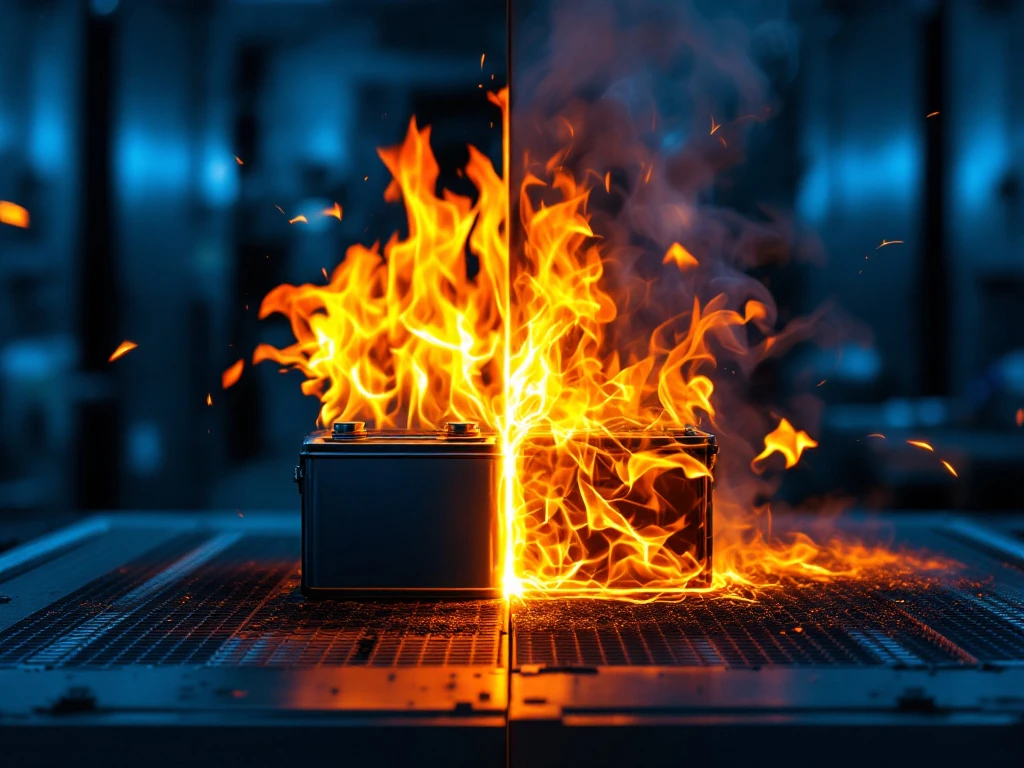
What is the difference between lithium-ion and lead-acid battery fire risks?
Battery storage fire risks differ significantly between lithium-ion and lead-acid technologies due to their fundamental chemistry and thermal properties. Lithium-ion batteries are more susceptible to thermal runaway, a dangerous condition where overheating can rapidly escalate into fire. Lead-acid batteries, whilst generally safer from fire perspective, present different hazards including gas emissions and corrosive materials. Understanding these distinctions is crucial for proper risk management in solar installations.
What makes lithium-ion batteries more prone to fire than lead-acid batteries?
Lithium-ion batteries carry higher fire risks due to their susceptibility to thermal runaway, where cell overheating can cascade through the entire battery pack causing intense fires. Their high energy density means more stored energy in smaller spaces, creating concentrated heat sources when failures occur.
Thermal runaway in lithium-ion batteries occurs when temperatures reach their critical thermal threshold, which varies depending on the battery chemistry often ranging from around 130°C for NMC cells to up to 250°C for LFP cells. This reaction can cause fires that spread rapidly and release toxic gases such as hydrogen fluoride (HF) and carbon monoxide (CO). This creates a self-sustaining cycle that can spread to adjacent cells, potentially igniting the entire battery system. The process happens rapidly and can be difficult to control once initiated.
Different lithium-ion chemistries present varying fire risks. Lithium iron phosphate (LFP) batteries demonstrate better thermal stability compared to nickel manganese cobalt (NMC) variants, though both require proper battery management systems (BMS) and cooling to prevent dangerous conditions. NMC batteries, whilst offering higher energy density, are more sensitive to heat and require additional safety precautions.
Lead-acid batteries operate through different electroche. While less prone to catastrophic thermal runaway than Li-ion, VRLA (Valve Regulated Lead-Acid) types can experience thermal runaway due to overcharging and electrical faults, though this process is typically slower and less intense. Their lower energy density means less concentrated energy storage, reducing the potential for intense fires. However, they do present other safety concerns including hydrogen gas generation during charging and potential acid spills.
How do fire risks differ between lithium-ion and lead-acid batteries in solar installations?
In solar installations, lithium-ion batteries present rapid fire escalation risks with intense heat and toxic gas emissions, whilst lead-acid systems typically involve slower-developing hazards primarily related to gas accumulation and electrical faults rather than thermal events.
Lithium-ion battery fires in solar installations can reach temperatures exceeding 800°C and produce toxic gases including hydrogen fluoride. These fires are notoriously difficult to extinguish with conventional methods because the heat causes the decomposition of the cathode, releasing oxygen (HO) that feeds the fire, often requiring specialised suppression systems or controlled burn-out procedures. The compact installation typical in solar projects can accelerate fire spread between battery modules.
Environmental factors significantly influence fire risks in solar installations. High ambient temperatures, poor ventilation, and direct sunlight exposure can elevate lithium-ion battery temperatures closer to their critical thermal threshold. Proper thermal management becomes critical, requiring active cooling systems and temperature monitoring.
Lead-acid batteries in solar installations primarily pose fire risks through electrical faults, overcharging, or hydrogen gas accumulation in poorly ventilated spaces. Whilst these fires typically develop more slowly, they can still cause significant damage. Flooded lead-acid types require adequate ventilation to prevent explosive hydrogen concentrations, particularly in confined installation spaces.
What are the most effective fire prevention strategies for each battery type?
Effective fire prevention for lithium-ion batteries centres on comprehensive thermal management including active cooling, temperature monitoring, and robust BMS systems, whilst lead-acid protection focuses on proper ventilation, electrical safety, and maintenance protocols.
For lithium-ion systems, thermal management represents the primary defence against fire risks. This includes maintaining optimal operating temperatures through active cooling systems, ensuring adequate spacing between battery modules for heat dissipation, and implementing multi-level temperature monitoring with automatic shutdown capabilities when thresholds are exceeded.
Battery management systems must provide cell-level monitoring for voltage, current, and temperature with immediate response capabilities. Quality BMS units can detect early warning signs of thermal runaway and isolate affected sections before problems escalate. Regular firmware updates and calibration ensure optimal performance of these critical safety systems.
Lead-acid fire prevention strategies emphasise proper installation practices including adequate ventilation systems to prevent hydrogen accumulation, appropriate electrical connections to minimise arc risks, and regular maintenance schedules. VRLA (Valve Regulated Lead Acid) types require temperature monitoring to prevent thermal damage, whilst flooded types need periodic electrolyte level checks and terminal cleaning.
Both technologies benefit from professional installation following manufacturer specifications, regular inspection schedules, and integration with building fire suppression systems. Installation in appropriate enclosures with fire-resistant materials provides additional protection layers.
How should solar project developers assess and manage battery fire risks?
Solar project developers should implement comprehensive risk assessment frameworks that evaluate battery chemistry selection, installation environment, safety systems, and insurance requirements whilst ensuring compliance with relevant safety standards and regulations throughout the project lifecycle.
Risk assessment begins with battery technology selection based on project requirements and risk tolerance. Developers must evaluate energy density needs against safety considerations, considering factors such as installation location, environmental conditions, and proximity to occupied buildings. LFP chemistry may be preferable for projects prioritising safety over maximum energy density.
Insurance considerations play a crucial role in battery fire risk management. Many insurers require comprehensive safety assessments and may mandate specific inspection protocols for battery storage systems. Working with specialist insurance brokers familiar with renewable energy projects ensures appropriate coverage and risk mitigation strategies align with insurer requirements.
Regulatory compliance varies by jurisdiction but typically includes electrical safety standards, fire safety codes, and environmental regulations. Developers should engage early with local authorities to understand specific requirements for battery storage installations, including setback distances, fire suppression systems, and emergency response protocols.
Ongoing risk management requires regular inspection schedules, maintenance protocols, and emergency response planning. This includes training for operations staff, coordination with local fire services, and periodic review of safety systems effectiveness. Proper documentation of all safety measures supports insurance compliance and regulatory requirements.
Understanding battery storage fire risks enables informed decision-making for safer solar installations. Proper technology selection, comprehensive safety systems, and ongoing risk management protect both project investments and surrounding communities. For specialist guidance on battery storage insurance and risk assessment in solar projects, professional consultation ensures appropriate protection strategies aligned with project requirements and regulatory standards.
Take Action to Protect Your Solar Investment
Don’t leave your solar battery storage system’s safety to chance. Implementing proper fire prevention strategies and risk management protocols is essential for protecting your investment and ensuring compliance with insurance requirements. Contact our specialist team today for comprehensive battery storage risk assessment and tailored insurance solutions that meet your specific project needs and regulatory requirements.
Insurance and inspection needs for your BESS?
Contact us today if you want to know more about the possibilities in BESS insurance and Scope inspections.
📧 Email: support@solarif.com
☎️ Phone: +31 (0)26 711 5050