



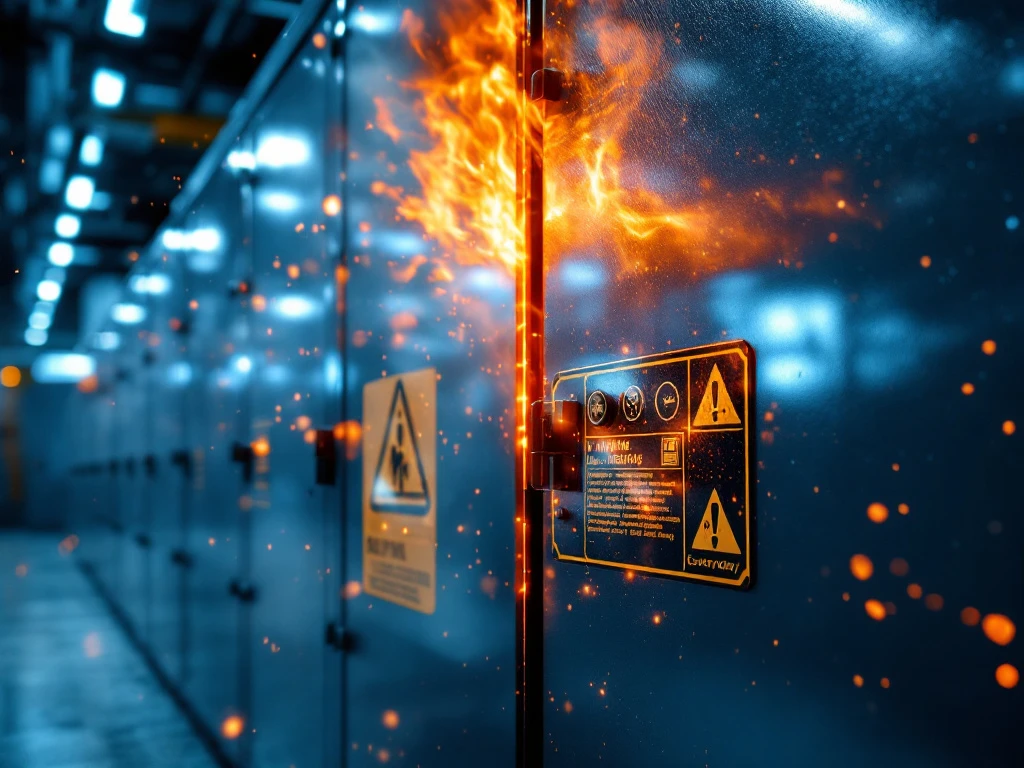
What are battery storage fire safety regulations in 2026?
Battery storage fire safety regulations in 2025 encompass comprehensive standards governing thermal management, fire suppression systems, and emergency protocols for commercial energy storage installations. These regulations include updated NFPA codes, International Fire Code requirements, and enhanced monitoring standards that address thermal runaway risks and off-gassing hazards specific to lithium-ion battery technologies.
What are the current battery storage fire safety regulations in 2025?
Current battery storage fire safety regulations in 2025 centre on thermal runaway prevention and comprehensive fire suppression systems. The National Fire Protection Association (NFPA) 855 standard provides the primary framework, requiring dedicated fire detection systems, automatic suppression equipment, and specific spacing requirements between battery modules.
The International Fire Code has introduced enhanced ventilation requirements to manage off-gassing from lithium-ion batteries during thermal events. These regulations mandate continuous air monitoring systems that can detect hazardous gas concentrations and automatically trigger ventilation responses.
Commercial installations must now comply with stricter thermal management protocols, including temperature monitoring at the cell level and automatic shutdown procedures when predetermined thresholds are exceeded. The regulations also require comprehensive emergency response plans that include coordination with local fire services and specialised training for first responders.
Battery Management Systems (BMS) must meet enhanced safety standards, incorporating multiple redundancy layers for temperature monitoring, voltage regulation, and cell balancing. These systems must demonstrate fail-safe operation and provide real-time data to facility management systems.
Why are battery storage systems considered a fire risk?
Battery storage systems pose fire risks primarily due to thermal runaway, a cascading failure where overheating in one cell triggers similar failures in adjacent cells. Thermal runaway in lithium-ion batteries occurs when temperatures reach their critical thermal threshold, which varies depending on the battery chemistry often ranging from around 130°C for NMC cells to up to 250°C for LFP cells. This reaction can cause fires that spread rapidly and release toxic gases such as hydrogen fluoride (HF) and carbon monoxide (CO).
Lithium-ion batteries, the dominant technology in commercial storage systems, contain flammable electrolytes that can ignite when cells are damaged, overcharged, or exposed to extreme temperatures. The rapid energy release during thermal runaway can reach temperatures exceeding 1,000°C, making conventional fire suppression challenging.
Off-gassing presents another significant hazard, as damaged batteries release toxic compounds including hydrogen fluoride, carbon monoxide, and various organic compounds. These gases can accumulate in enclosed spaces, creating both fire and health risks for emergency responders.
The high energy density of modern battery systems means that even small installations can store substantial amounts of energy. When this energy is released uncontrollably during a thermal event, it can overwhelm traditional fire safety measures and spread rapidly through battery modules.
What fire safety measures are required for commercial battery installations?
Commercial battery installations must implement multi-layered fire protection systems including automatic detection, suppression, and ventilation. Fire detection systems must include thermal sensors, smoke detectors, and gas monitoring equipment specifically calibrated for battery storage environments.
Automatic fire suppression systems are mandatory, with many installations requiring specialised agents such as water mist, inert gases, or aerosol suppression systems rather than traditional sprinklers. These systems must be designed to cool battery modules rapidly and prevent thermal runaway propagation.
Spacing requirements mandate minimum distances between battery racks and modules to prevent fire spread. Commercial installations typically require 3-foot minimum spacing between battery units and dedicated fire-rated barriers for larger systems.
Ventilation systems must provide continuous air exchange with emergency boost capabilities to rapidly remove toxic gases during thermal events. These systems require backup power to ensure operation during emergencies and must include explosion-proof components in hazardous areas.
Emergency response protocols must include automatic notification systems, remote shutdown capabilities, and clear evacuation procedures. Staff training requirements include annual fire safety education and coordination with local emergency services familiar with battery storage hazards.
How do fire safety regulations differ between residential and commercial battery storage?
Commercial battery storage faces significantly more stringent fire safety requirements than residential systems due to scale, energy density, and occupancy risks. Commercial installations require professional fire suppression systems, whilst residential systems typically rely on built-in battery protection and basic ventilation.
Residential battery systems under 20kWh generally follow simplified safety standards focusing on proper installation location, basic ventilation, and manufacturer-specified protection systems. These systems must be installed away from living spaces and include automatic disconnect features.
Commercial installations require comprehensive fire safety plans, professional monitoring systems, and regular safety inspections. The regulatory oversight includes building code compliance, fire department plan review, and ongoing maintenance requirements that don’t apply to residential systems.
Installation standards differ significantly, with commercial systems requiring certified installers, engineered fire protection systems, and compliance with industrial safety codes. Residential installations follow electrical codes with basic fire safety provisions but lack the comprehensive protection required for commercial facilities.
Emergency response protocols for commercial installations must include coordination with fire services, whilst residential systems rely primarily on automatic safety features and standard emergency procedures. This reflects the different risk profiles and potential consequences of battery storage fire incidents.
What happens if battery storage systems don’t comply with fire safety regulations?
Non-compliance with battery storage fire safety regulations results in immediate operational restrictions, insurance coverage denial, and potential legal liability for property damage or injuries. Regulatory authorities can issue stop-work orders and require complete system remediation before operations resume.
Insurance implications are particularly severe, as most commercial policies specifically exclude coverage for non-compliant energy storage systems. This leaves project owners fully liable for fire damage, business interruption, and third-party claims that could reach millions of pounds for large installations.
Project delays from compliance issues can extend for months whilst systems are redesigned and reinstalled to meet safety standards. These delays affect financing arrangements, power purchase agreements, and overall project viability, often making projects economically unviable.
Legal liability extends beyond property damage to include potential criminal charges if non-compliance results in injuries or fatalities. Project developers, installers, and facility operators can face personal liability for knowingly operating non-compliant systems.
Ensuring regulatory adherence requires working with qualified professionals who understand current safety standards, conducting regular compliance audits, and maintaining comprehensive documentation of all safety systems and procedures. Professional risk management services can help identify compliance gaps before they become costly problems.
Battery storage fire safety represents a critical aspect of renewable energy project development, requiring careful attention to evolving regulations and comprehensive safety planning. As battery technology continues advancing, staying current with safety requirements ensures both regulatory compliance and operational success. Professional guidance from experienced energy insurance specialists helps navigate these complex requirements whilst protecting project investments and stakeholder interests.
Secure Your Battery Storage Project Today
Don’t leave your battery storage investment vulnerable to compliance issues and safety risks. Navigating the complex landscape of fire safety regulations requires expert guidance and comprehensive planning. Our team of renewable energy specialists can help you ensure full regulatory compliance whilst optimising your project’s safety and performance. Contact us today to discuss your battery storage fire safety requirements and protect your investment with professional risk management solutions.
Insurance and inspection needs for your BESS?
Contact us today if you want to know more about the possibilities in BESS insurance and Scope inspections.
📧 Email: support@solarif.com
☎️ Phone: +31 (0)26 711 5050