



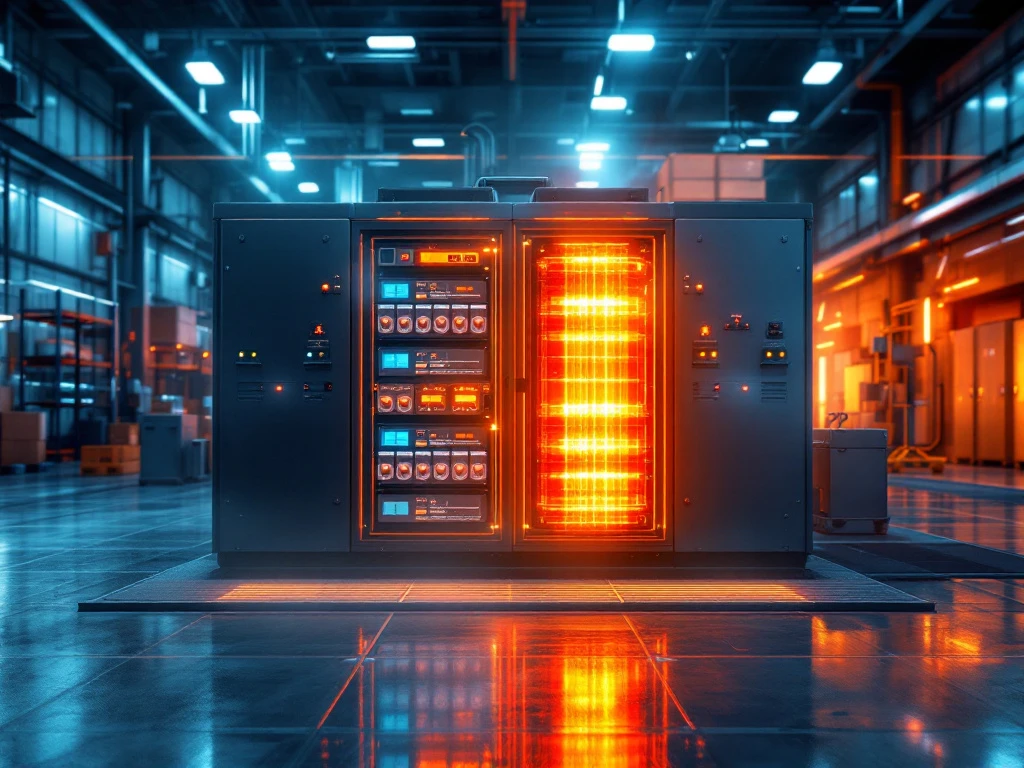
What is the difference between thermal runaway and overheating in BESS?
BESS thermal runaway is a self-sustaining chemical reaction that occurs when battery cells overheat beyond safe operating limits, creating an uncontrolled chain reaction that spreads between cells. Unlike simple overheating, thermal runaway involves chemical breakdown that cannot be reversed and poses extreme fire and explosion risks. Understanding the differences between these thermal conditions is crucial for BESS safety management and risk prevention.
What exactly is thermal runaway in battery energy storage systems?
Thermal runaway in BESS is a dangerous self-sustaining chemical reaction where battery cells generate heat faster than it can be dissipated, creating an uncontrolled exothermic process. Once triggered, the reaction breaks down the battery’s internal chemistry, releasing flammable gases and intense heat that spreads to adjacent cells in a cascading failure pattern.
Thermal runaway in lithium-ion batteries occurs when temperatures reach their critical thermal threshold, which varies depending on the battery chemistry often ranging from around 130°C for NMC cells to up to 250°C for LFP cells. This reaction can cause fires that spread rapidly and release toxic gases such as hydrogen fluoride (HF) and carbon monoxide (CO). The cell releases oxygen, which which fuels the fire of the decomposing organic electrolyte, whilst simultaneously generating various organic compounds.
What makes thermal runaway particularly dangerous in BESS installations is the cascading effect. Heat from one compromised cell rapidly transfers to neighbouring cells, triggering their thermal runaway in a domino effect. This propagation can occur within minutes, making containment extremely difficult once the process begins. The reaction continues until all available chemical energy is exhausted, regardless of external cooling attempts.
Modern Battery Management Systems (BMS) monitor cell temperatures continuously to prevent thermal runaway, but the condition represents the most catastrophic failure mode possible in battery energy storage systems. Unlike other battery faults, thermal runaway cannot be stopped once initiated and requires immediate evacuation of the area.
How does overheating differ from thermal runaway in BESS?
Overheating in BESS refers to elevated battery temperatures above normal operating ranges without triggering chemical breakdown, whilst thermal runaway involves uncontrolled exothermic reactions that fundamentally alter the battery’s chemistry. The key distinction lies in reversibility and chemical stability.
Simple overheating occurs when battery cells operate above their optimal temperature range, typically 25-35°C for most lithium-ion systems, but remain below the critical thermal runaway threshold. During overheating, the battery’s chemical structure stays intact, and cooling the system can restore normal operation. The elevated temperature may reduce efficiency and accelerate degradation, but the fundamental battery chemistry remains stable.
Thermal runaway represents a completely different phenomenon. Once cells exceed their critical thermal threshold, which varies depending on the battery chemistry often ranging from around 130°C for NMC cells to up to 250°C for LFP cells, irreversible chemical reactions begin. The battery’s electrolyte decomposes, internal structures break down, and the cell becomes a heat source rather than an energy storage device. This process cannot be reversed through cooling or other external interventions.
Temperature thresholds provide clear differentiation. Overheating typically involves temperatures between 40-100°C, where performance degrades but chemistry remains stable. Thermal runaway begins at much higher temperatures and involves rapid temperature escalation to 500-1000°C as chemical reactions accelerate.
The reversibility factor is crucial for BESS operators. Overheated systems can return to normal operation once cooled, though repeated overheating events may shorten battery lifespan. Thermal runaway results in complete cell destruction and requires immediate replacement of affected battery modules.
What are the warning signs of thermal runaway versus overheating?
Early detection indicators for overheating include gradual temperature increases, reduced system efficiency, and BMS warnings, whilst thermal runaway presents rapid temperature spikes, gas emissions, visible smoke, and emergency system alarms that indicate immediate danger.
Overheating warning signs develop gradually and provide opportunity for corrective action. Temperature monitoring systems show steady increases above normal ranges, typically 5-15°C above optimal operating temperatures. Battery performance metrics decline, including reduced charging efficiency, lower discharge capacity, and increased internal resistance. The BMS generates temperature warnings but maintains normal operational protocols.
Visual indicators of overheating include warm battery enclosures, increased cooling system activity, and potential condensation around cooling vents. There are no unusual odours or visible emissions during simple overheating events. System monitoring displays elevated temperature readings but maintains stable voltage and current parameters.
Thermal runaway warning signs are dramatically different and indicate emergency conditions. Temperature sensors show rapid spikes, often increasing 50-100°C within minutes. Gas detection systems trigger alarms as cells release hydrogen, hydrogen fluoride, carbon monoxide, and other toxic compounds. Visible smoke, unusual chemical odours, and potential flames emerge from battery enclosures.
Advanced monitoring systems detect thermal runaway through multiple parameters simultaneously: exponential temperature increases, voltage collapse in affected cells, abnormal current flows, and gas concentration spikes. These combined indicators differentiate thermal runaway from simple overheating and trigger immediate emergency response protocols including system shutdown and area evacuation.
Why is thermal runaway more dangerous than overheating in BESS?
Thermal runaway poses exponentially greater risks than overheating because it involves uncontrolled fire propagation, toxic gas release, explosion potential, and complete system destruction, whilst overheating typically causes temporary performance reduction that can be managed through proper cooling and system adjustments.
Fire propagation represents the most significant danger in thermal runaway events. The self-sustaining chemical reactions create intense heat that spreads rapidly between battery cells, often faster than suppression systems can respond. Battery fires burn at extremely high temperatures, reaching 500-1000°C, and prove difficult to extinguish with conventional methods. Water can actually worsen lithium-ion fires by creating an electrical hazard and toxic runoff (effluent). Furthermore, water is ineffective at cooling the core reaction mass, making specialized suppression technology and external cooling strategies essential.
Toxic gas emissions during thermal runaway create immediate health hazards. Hydrogen fluoride gas attacks respiratory systems and can be fatal in enclosed spaces. Carbon monoxide poses asphyxiation risks, whilst various organic compounds released during cell breakdown cause additional respiratory and neurological dangers. These gases can spread throughout buildings, requiring immediate evacuation of large areas.
Explosion potential exists when flammable gases accumulate in confined spaces. The oxygen released during thermal runaway combines with organic vapours to create explosive mixtures. Proper ventilation systems are critical, but the rapid gas generation can overwhelm safety measures if multiple cells enter thermal runaway simultaneously.
System damage scope differs dramatically between conditions. Overheating may reduce battery lifespan or require temporary system shutdown, but thermal runaway destroys entire battery modules and can damage surrounding infrastructure. The cascading failure pattern means single cell failures can compromise hundreds of cells within BESS installations.
Emergency response requirements highlight the danger differential. Overheating allows time for systematic cooling and troubleshooting, whilst thermal runaway demands immediate evacuation and emergency service response.
How can you prevent both thermal runaway and overheating in battery systems?
Prevention strategies include comprehensive thermal management design with active cooling systems, continuous monitoring through advanced BMS technology, proper ventilation infrastructure, and regular maintenance practices that address temperature control, cell balancing, and early fault detection for both thermal conditions.
Thermal management design forms the foundation of prevention. Active cooling systems maintain optimal operating temperatures through liquid cooling, forced air circulation, or phase-change materials. Proper spacing between battery modules allows heat dissipation and prevents thermal propagation. Insulation barriers contain heat within designated zones and slow thermal transfer between cells.
Advanced monitoring systems provide early warning capabilities. Modern BMS technology tracks individual cell temperatures, voltages, and internal resistance to detect abnormal conditions before they escalate. Multi-level temperature sensors throughout battery installations create thermal maps that identify hot spots and cooling system inefficiencies. Gas detection systems provide additional safety layers by identifying chemical emissions before visible symptoms appear.
Ventilation requirements address both prevention and emergency response. Proper airflow removes excess heat during normal operation and evacuates dangerous gases during thermal events. Emergency ventilation systems activate automatically when thermal runaway is detected, rapidly clearing toxic gases from enclosed spaces.
Maintenance practices ensure long-term thermal stability. Regular cleaning of cooling systems maintains heat transfer efficiency. Cell balancing prevents individual cells from overcharging, which reduces overheating risks. Thermal imaging inspections identify developing hot spots before they reach dangerous levels. Connection integrity checks prevent resistance heating at electrical joints.
Professional risk assessment helps identify potential thermal hazards specific to each BESS installation. Understanding these risks enables proper insurance coverage and safety protocol development. We specialise in comprehensive risk management for battery energy storage systems, providing expert assessment and insurance solutions that address both thermal runaway and overheating risks in commercial energy storage projects.
Protect Your BESS Investment Today
Don’t wait until thermal events threaten your battery energy storage system. Understanding the critical differences between thermal runaway and overheating is just the first step in comprehensive risk management. Our expert team provides specialised insurance solutions and risk assessment services tailored specifically for BESS installations. Protect your investment, ensure operational continuity, and maintain safety compliance with professional guidance. Contact us today to discuss your battery energy storage system insurance needs and discover how we can help safeguard your renewable energy investment against thermal risks.
Insurance and inspection needs for your BESS?
Contact us today if you want to know more about the possibilities in BESS insurance and Scope inspections.
📧 Email: support@solarif.com
☎️ Phone: +31 (0)26 711 5050