


What are the main risks of installing solar panels on a roof?
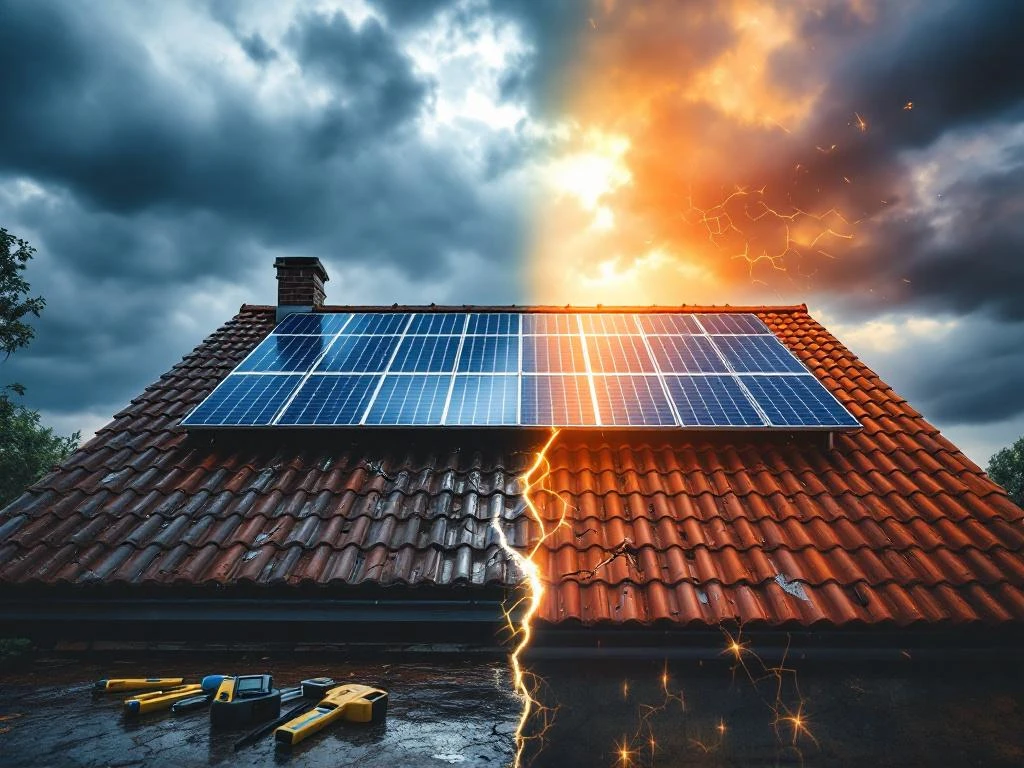
Solar panel risks encompass structural concerns, weather damage, electrical hazards, water infiltration, and installation errors that can compromise system safety and performance. While solar installations offer excellent returns on investment, understanding these potential issues helps commercial property owners and project developers make informed decisions. Weather-related damage, improper mounting, electrical faults, and installation mistakes represent the most significant threats to solar systems.
What are the biggest structural risks when installing solar panels on your roof?
Structural risks from solar panel installations primarily involve weight distribution problems and roof integrity issues. Solar panels add approximately 2–4 pounds per square foot to your roof, which can strain older structures or roofs not designed for additional loads. Poor weight distribution creates stress points that may lead to sagging, cracking, or structural failure over time.
Roof age and condition play a critical role in installation safety. Roofs older than 15 years or those with existing damage may not withstand the mounting process or long-term panel weight. Structural integrity assessments should evaluate load-bearing capacity, rafter spacing, and overall roof condition before installation begins.
The mounting process itself can damage roof materials. Drilling penetrations for mounting hardware weakens the roof structure, while improper fastening techniques can cause immediate or gradual deterioration. Heavy equipment used during installation may crack tiles, damage membranes, or stress underlying support structures.
Professional structural evaluations identify potential problems before they become costly repairs. Engineers can determine whether reinforcement is needed and specify appropriate mounting systems for your specific roof type and condition.
How can weather and environmental factors damage your solar panel system?
Weather represents one of the most significant threats to solar panel systems, with hail damage, extreme temperatures, and severe storms causing the majority of weather-related claims. Hailstones larger than one inch can crack panel glass, damage frames, and reduce system efficiency even when panels appear intact from ground level.
Severe storms can create powerful forces that may damage panels and mounting systems, especially when installations do not account for local weather patterns and building codes. Extreme temperature fluctuations cause expansion and contraction cycles that stress mounting hardware, electrical connections, and panel materials over time.
Ice formation creates multiple hazards, from the weight of accumulated ice to damage from ice dams and thermal cycling. Snow loads can exceed design specifications, while ice formation around mounting points can damage seals and create water infiltration paths.
Different climates present unique challenges. Coastal environments introduce salt corrosion, desert climates bring dust accumulation and extreme heat, while northern regions face freeze-thaw cycles and snow loading. Understanding your local environmental conditions helps you select appropriate equipment and protective measures.
What electrical and fire safety risks should you know about?
Electrical hazards during solar installation include shock risks from improper grounding, arc faults from loose connections, and fire dangers from faulty wiring. DC electrical systems operate at high voltages and can maintain dangerous charge levels even when disconnected from AC power, requiring specialized safety protocols.
Fire risks from solar installations typically stem from electrical faults, poor connections, or equipment failures. Faulty wiring can create hot spots that ignite surrounding materials, while arc faults generate intense heat capable of starting fires. Certain roof types, particularly thatched roofs, present elevated fire risks due to highly combustible materials.
Grounding issues create safety hazards and code violations. Improper grounding can lead to electrical shock, equipment damage, and increased fire risk. All system components must be properly bonded and grounded according to electrical codes and manufacturer specifications.
Safety protocols for electrical connections include using qualified installers, following manufacturer guidelines, and implementing proper isolation procedures. Regular system monitoring helps identify electrical issues before they become safety hazards, while proper equipment selection reduces the likelihood of electrical faults.
Why do some solar installations cause roof leaks and water damage?
Roof leaks from solar installations typically result from improper penetration sealing and flashing installation errors. Every mounting point creates a potential water entry path, and inadequate sealing around these penetrations allows water infiltration that can cause extensive structural damage over time.
Flashing installation requires precise technique and high-quality materials. Poor flashing work around mounting points, conduit penetrations, and roof transitions creates immediate leak risks. Many installers lack proper roofing experience, leading to substandard waterproofing that fails during the first heavy rain.
Roof membrane damage during installation creates additional leak sources. Walking on fragile roof materials, dropping tools, or using inappropriate fasteners can puncture membranes or damage protective coatings. These issues may not become apparent until water damage appears inside the building.
Long-term waterproofing concerns include sealant degradation, thermal cycling effects on seals, and maintenance access issues. Sealants require periodic inspection and replacement, but many building owners do not realize this ongoing maintenance responsibility until leaks develop.
What installation mistakes create the most problems for homeowners?
Common installer errors include improper mounting techniques that compromise both system performance and roof integrity. Using incorrect fasteners, inadequate spacing, or poor alignment creates immediate problems and long-term reliability issues. Shortcuts during installation often result in premature system failures and safety hazards.
Inadequate permits and code compliance represent serious installation mistakes. Unpermitted installations may not meet safety standards, can complicate insurance claims, and often require costly corrections to achieve compliance. Professional installations should always include proper permitting and inspections.
Poor-quality equipment selection affects system longevity and performance. Some installers use substandard components to reduce costs, leading to premature failures and reduced energy production. Quality equipment from reputable manufacturers provides better long-term value despite higher upfront costs.
Installation shortcuts that compromise system performance include inadequate cable management, poor electrical connections, and insufficient system testing. These issues may not become apparent immediately but can lead to reduced efficiency, safety hazards, and expensive repairs over the system’s lifetime.
How Solarif helps with solar panel installation risk management
We provide comprehensive risk management inspection services that protect commercial solar investments from installation-related risks. Our approach combines thorough quality inspections, specialized insurance solutions, and professional oversight to ensure your solar project meets the highest safety and performance standards.
Our risk management services include:
- Scope 12 inspections that verify installation quality and safety compliance, required by most insurers for commercial installations
- Scope 8 inspections for ongoing system monitoring and assessment
- Scope 10 inspections for specialized evaluation requirements
- Factory inspections to ensure equipment quality before delivery
- Batch inspections for quality control of multiple installations
- Drone inspections for comprehensive aerial assessment of solar installations
As insurance brokers specializing in renewable energy projects, we understand the specific inspection needs for commercial solar installations and work with A-rated insurers to provide tailored coverage solutions. Our team has completed more than 521 Scope 12 inspections and secured insurance for 3.8 GW of solar capacity worldwide.
Request a free consultation today to discover how our inspection expertise can protect your solar investment and ensure your project delivers reliable, long-term returns.
Insurance and inspection needs for your BESS?
Contact us today if you want to know more about the possibilities in BESS insurance and Scope inspections.
📧 Email: support@solarif.com
☎️ Phone: +31 (0)26 711 5050