


Can solar panels cause roof fires?
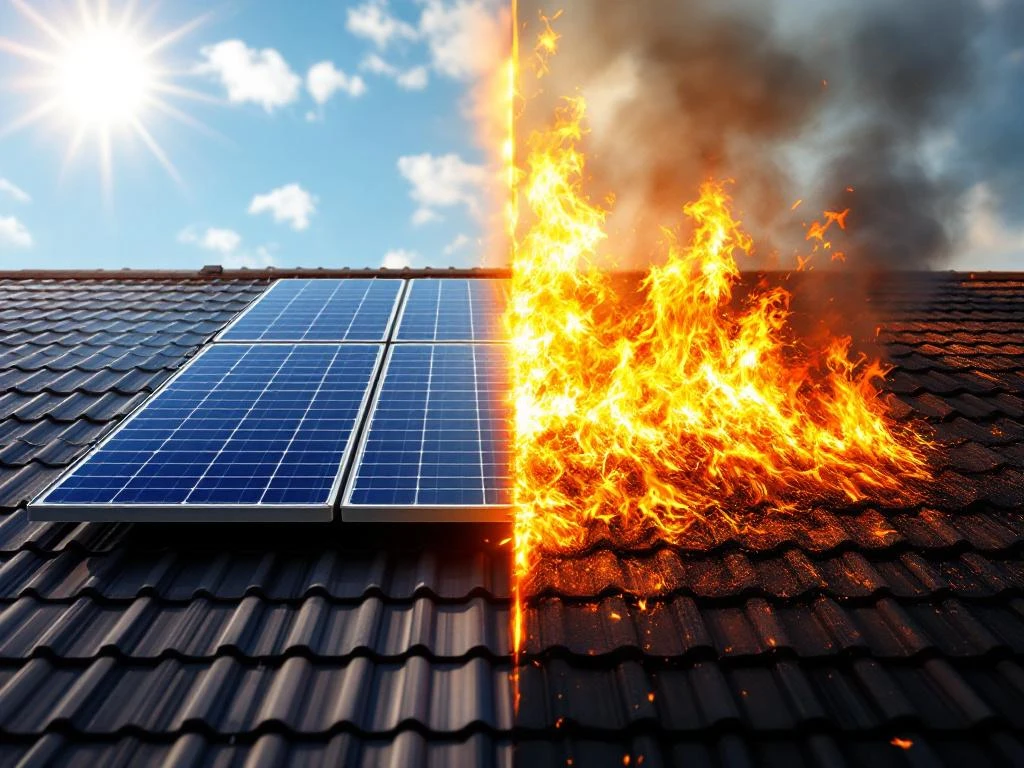
Solar panels can cause roof fires, but the risk is relatively low when proper installation and safety measures are followed. Fire hazards typically arise from electrical faults, poor installation practices, faulty wiring, or defective components rather than the panels themselves. Understanding solar panel risks and implementing preventive measures significantly reduces the likelihood of fire incidents.
What actually causes solar panel fires on roofs?
Solar panel fires typically result from electrical system failures rather than the photovoltaic panels themselves. The primary causes include DC arc faults in wiring connections, overloaded electrical circuits, and faulty inverters that cannot properly handle electrical loads.
Poor installation practices create significant fire risks. Inadequate cable management, loose electrical connections, and improper grounding can lead to electrical arcing and overheating. When installers use substandard components or fail to follow manufacturer specifications, these shortcuts often manifest as safety hazards months or years later.
Defective components represent another major risk factor. Faulty junction boxes, damaged bypass diodes, and compromised wiring insulation can create hot spots that ignite surrounding materials. Manufacturing defects in panels, while less common, can also cause internal failures that generate excessive heat.
Environmental factors compound these risks. Water infiltration into electrical components, extreme temperature fluctuations, and physical damage from weather events can compromise system integrity and create fire hazards.
How common are solar panel fires compared to other electrical fires?
Solar panel fires are significantly less common than other household electrical fires. While exact statistics vary by region, solar-related fires represent a small fraction of total electrical fire incidents in buildings with solar installations.
Most documented solar panel fires occur during the first few years of operation, often indicating installation-related issues rather than inherent technology problems. The solar industry has implemented increasingly stringent safety standards and improved component quality over the past decade.
Commercial solar installations face different risk profiles than residential systems. Larger commercial systems require more complex electrical configurations and higher voltage levels, but they also typically undergo more rigorous inspection protocols and professional maintenance schedules.
Insurance industry data shows that properly installed and maintained solar systems pose minimal fire risk compared to other building electrical systems. However, installations on certain roof types, particularly those with flammable insulation materials like EPS, PUR, or PIR, face higher risk assessments from insurers.
What are the warning signs that your solar panels might be dangerous?
Visual damage indicators require immediate attention. Look for cracked panels, exposed wiring, or burn marks around electrical connections. Discolored areas on panels or mounting equipment often signal overheating problems.
Performance anomalies can indicate safety issues. Sudden drops in energy production, inconsistent power output, or complete system shutdowns may point to electrical faults that pose fire risks. Monitor your system’s performance data regularly to identify these patterns.
Unusual sounds from your solar installation warrant investigation. Crackling, buzzing, or popping noises from panels, inverters, or electrical connections can indicate dangerous electrical arcing. These sounds often occur during peak sunlight hours when the system operates at maximum capacity.
Physical signs around the installation area include scorch marks on roof materials, melted components, or unusual odors near electrical equipment. Any visible damage to mounting hardware or loose connections should prompt immediate professional assessment.
If you notice any of these warning signs, shut down your solar system immediately using the designated disconnect switches and contact a qualified solar technician for inspection.
How do you prevent solar panel fires during installation?
Proper component selection forms the foundation of fire prevention. Use only certified equipment that meets relevant safety standards and avoid mixing components from different manufacturers unless explicitly approved. Quality inverters, DC optimizers, and electrical components significantly reduce fire risks.
Professional installation by certified technicians ensures compliance with electrical codes and safety standards. Qualified installers understand proper grounding techniques, appropriate wire sizing, and secure connection methods that prevent electrical faults.
Comprehensive electrical safety measures include proper circuit protection, appropriate disconnect switches, and adequate spacing between components for heat dissipation. Follow manufacturer specifications for cable routing and connection torque requirements.
For commercial installations, Scope 12 inspections are required by insurers to verify that installations meet safety standards. These inspections examine electrical connections, grounding systems, and overall installation quality before systems become operational.
Consider roof compatibility during the planning stages. Buildings with flammable insulation materials may require roof renovations or additional fire safety measures before solar installation to meet insurance requirements and safety standards.
What should you do if you suspect a solar panel safety issue?
Take immediate safety action by shutting down your solar system using the AC disconnect switch near your electrical panel and the DC disconnect switch near your inverter. This stops electricity flow and reduces fire risk while you assess the situation.
Document the issue thoroughly with photographs and detailed notes about what you observed. Record the date, time, weather conditions, and specific symptoms you noticed. This information helps technicians diagnose problems and may be needed for insurance claims.
Contact a qualified solar technician or your installation company immediately. Avoid attempting repairs yourself, as solar systems operate at dangerous voltage levels even during cloudy conditions. Professional assessment ensures proper diagnosis and safe resolution.
If you smell burning, see smoke, or notice active electrical arcing, evacuate the area and call emergency services immediately. Treat solar panel electrical fires as you would any electrical emergency—prioritize safety over property protection.
Keep your system disconnected until professional inspection confirms that it is safe to resume operation. Document all professional assessments and repairs for insurance purposes and future reference.
How Solarif helps with solar panel safety and risk management
We provide comprehensive safety services and specialized Risk Management inspections for commercial solar installations. Our inspection services help identify potential safety hazards and ensure proper installation quality to protect your solar investment.
Our services include:
- Scope 12 inspections required by insurers for commercial solar installations
- Scope 8 inspections for ongoing safety assessment
- Scope 10 inspections for specialized evaluation needs
- Factory inspections to verify component quality
- Batch inspections for large-scale installations
- Drone inspections for comprehensive visual assessment
- Specialized solar panel all-risks insurance that covers fire damage, material damage, and production losses
As an insurance broker specializing in renewable energy projects, we work with A-rated insurers to provide tailored coverage that protects against fire risks and other solar panel hazards. Our inspection services and insurance solutions ensure your commercial solar investment remains secure and compliant with safety standards.
Contact our solar insurance experts today to discuss our Risk Management inspection services and appropriate insurance coverage for your commercial solar installation.
Insurance and inspection needs for your BESS?
Contact us today if you want to know more about the possibilities in BESS insurance and Scope inspections.
📧 Email: support@solarif.com
☎️ Phone: +31 (0)26 711 5050