



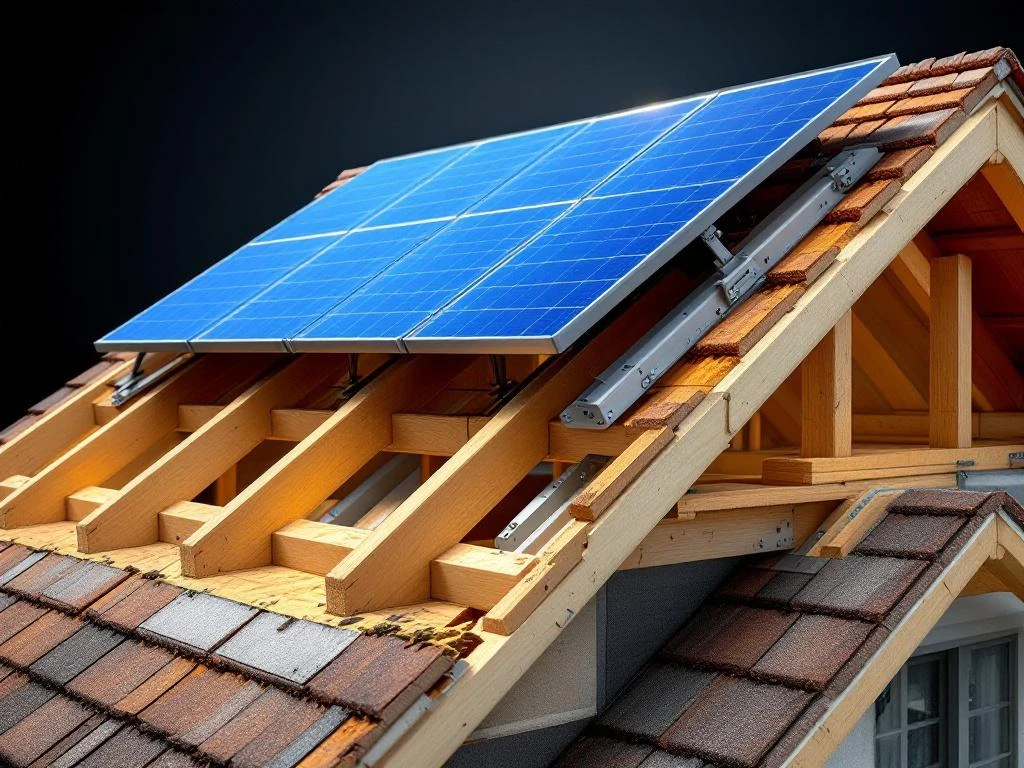
How do solar panels affect roof integrity?
Solar panels don’t damage your roof structure when they are properly installed by certified professionals. Instead of causing harm, they protect the roof surface from weather elements like UV rays, hail, and rain. The key is professional installation with proper mounting systems and waterproofing techniques that maintain roof integrity while distributing panel weight evenly across the structure.
Do solar panels actually damage your roof structure?
Professional solar panel installations protect rather than damage your roof structure. Modern mounting systems distribute weight evenly across roof rafters and trusses, preventing concentrated stress points that could cause structural issues. The panels act as a protective shield, extending your roof’s lifespan by blocking harmful UV radiation and reducing temperature fluctuations.
Common misconceptions about roof damage stem from poorly executed installations or outdated mounting techniques. When certified installers follow manufacturer guidelines and building codes, they create secure attachment points without compromising structural integrity. The mounting rails spread the load across multiple connection points, ensuring your roof can safely support the installation.
Solar panel risks to roof structures are minimal when you work with experienced professionals who understand load calculations and proper installation techniques. They assess your roof’s condition beforehand and address any existing weaknesses before mounting panels, implementing thorough inspection protocols throughout the process.
How much weight do solar panels add to your roof?
Solar panels typically add 2–4 pounds per square foot to your roof’s load, which falls well within standard residential roof load capacities. Most roofs are designed to handle 20 pounds per square foot of live load, meaning solar panels represent only a fraction of your roof’s weight-bearing capacity.
The actual weight depends on panel type and mounting system. Crystalline silicon panels weigh approximately 40–50 pounds each, while thin-film panels are lighter at 20–30 pounds per panel. However, the mounting system distributes this weight across multiple attachment points, reducing concentrated loads on individual roof sections.
Professional installers perform structural calculations before installation to ensure your roof can handle the additional weight. They consider factors like roof age, material type, and local weather conditions that might add extra loads from snow or other environmental factors. If your roof requires reinforcement, they’ll identify these needs during the assessment phase.
What happens when installers drill holes in your roof for solar panels?
Professional installers use specialized mounting hardware and waterproofing techniques to prevent leaks when drilling attachment points. They locate roof rafters or trusses for secure mounting, then drill precise holes that accommodate lag bolts or other fastening systems designed specifically for solar installations.
Each penetration point receives multiple layers of protection. Installers apply sealant around the mounting hardware, use flashing to direct water away from attachment points, and often add additional weatherproofing materials. The mounting feet are designed with built-in sealing mechanisms that compress against the roof surface.
Quality installers follow strict waterproofing protocols that meet or exceed standard roofing practices. They understand how water flows across different roof materials and position mounting points to work with your roof’s natural drainage patterns. This comprehensive approach prevents both immediate leaks and long-term water infiltration issues.
How do different roof types handle solar panel installation?
Each roofing material requires specific mounting techniques and protective measures to ensure successful solar panel installation. Asphalt shingle roofs are the most straightforward, allowing direct-penetration mounting with standard flashing and sealant systems.
Tile roofs present unique challenges because tiles can crack during installation. Professional installers remove tiles carefully, install mounting hardware on the underlying roof deck, then reinstall or replace tiles around the mounting points. Metal roofs often allow for non-penetrating clamp systems that attach to seams without drilling holes.
Flat roofs typically use ballasted mounting systems that rely on weight rather than penetration for stability. However, some flat roof installations require mechanical attachment depending on load calculations and local building codes. Each roof type demands specialized knowledge and appropriate mounting hardware to maintain structural integrity and weather resistance.
What roof problems should you fix before installing solar panels?
Address any structural deficiencies, leaks, or aging materials before solar panel installation to avoid costly complications later. Installers should identify loose or damaged shingles, deteriorated flashing, and any signs of water damage during their pre-installation assessment.
Roofs nearing the end of their expected lifespan should be replaced before solar installation. Removing and reinstalling solar panels for roof replacement costs significantly more than coordinating both projects together. Most roofing materials last 20–30 years, while solar panels operate effectively for 25+ years.
Structural issues like sagging areas, damaged rafters, or inadequate load-bearing capacity must be resolved first. Professional roof inspections can identify these problems and determine whether reinforcement is necessary. Addressing these issues upfront ensures your roof can safely support solar panels throughout their operational lifetime.
How Solarif helps protect your roof during solar installation
We provide comprehensive roof protection services that go beyond standard installation practices. Our approach combines thorough pre-installation assessments with ongoing quality control measures and specialized insurance coverage designed specifically for commercial solar projects.
Our roof protection services include:
- Professional roof inspections to assess structural integrity and load-bearing capacity
- Scios Scope 12 inspections required by insurers for commercial solar installations to ensure safety standards
- Quality control monitoring throughout the installation process
- Specialized insurance coverage that protects both your solar investment and roof structure
- Risk Management inspections and assessments including Scios Scope 8 and Scope 10 inspections for different installation phases
- Ongoing maintenance support to preserve both panel performance and roof integrity
As an insurance broker specializing in renewable energy projects, we understand the specific inspection requirements associated with solar installations on different roof types. Our comprehensive approach ensures your roof remains protected while maximizing the long-term performance of your solar investment.
Ready to protect your commercial solar project? Contact our renewable energy insurance specialists today to discuss comprehensive roof protection and insurance solutions tailored to your specific installation requirements.
Insurance and inspection needs for your BESS?
Contact us today if you want to know more about the possibilities in BESS insurance and Scope inspections.
📧 Email: support@solarif.com
☎️ Phone: +31 (0)26 711 5050