



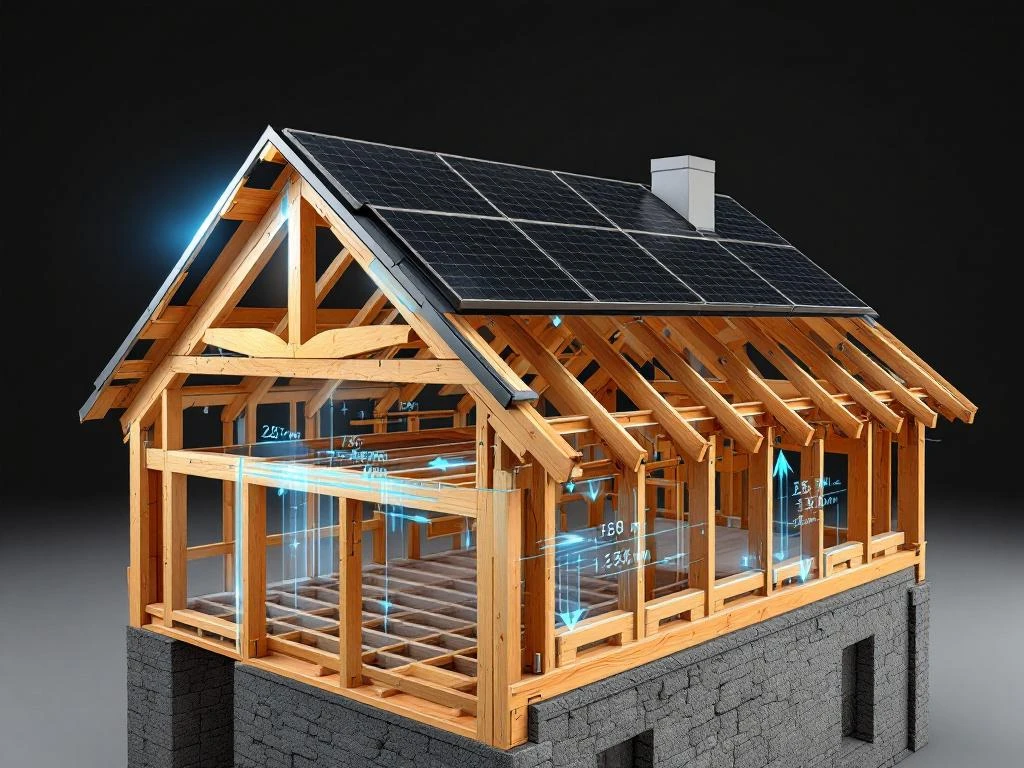
How much weight can a roof support for solar panels?
Most commercial roofs can support between 2 and 4 pounds per square foot for solar panels, though this depends on your roof’s structural design, age, and materials. The total weight includes both the panels and mounting systems, making professional assessment important before installation. Understanding your roof’s capacity helps avoid structural issues and ensures proper insurance coverage for your solar investment.
What determines how much weight your roof can actually handle?
Your roof’s weight capacity depends on two main load types: dead load (permanent structural weight) and live load (temporary additions like snow or equipment). Solar panels add to the dead load, requiring your roof structure to permanently support this additional weight.
Several structural factors affect your roof’s capacity. The age of your building matters significantly—older structures may have different building standards or weakened materials over time. Your roof materials also play a role, with steel-framed buildings typically supporting more weight than wood-framed structures.
The original design specifications determine your roof’s engineered capacity. Most commercial buildings are designed with some excess capacity, but this varies widely. Factors like beam spacing, support column placement, and foundation strength all contribute to your roof’s overall load-bearing ability.
Weather loads in your region also impact available capacity. Areas with heavy snow loads may have roofs designed for higher weight limits, while regions with minimal weather loads might have more conservative designs.
How much do solar panels actually weigh on your roof?
Standard commercial solar panel systems weigh approximately 2 to 4 pounds per square foot when including mounting hardware. The panels themselves typically weigh 35 to 50 pounds each, but the distributed weight across mounting rails is what matters for structural calculations.
Mounting systems add significant weight beyond the panels. Ballasted systems on flat roofs can weigh 4 to 6 pounds per square foot in total, while penetrating mount systems typically weigh 2 to 3 pounds per square foot. The mounting method you choose directly affects your roof’s total load.
Different panel technologies have varying weights. Traditional silicon panels are heavier than thin-film options, though performance considerations usually outweigh weight differences for most commercial installations.
You also need to consider concentrated loads at mounting points. While the distributed weight might be acceptable, point loads where mounting systems attach to your roof structure require separate evaluation to ensure adequate support.
What’s the difference between roof types when it comes to solar panel support?
Flat commercial roofs typically handle solar loads well because they’re designed for equipment installations. These roofs often support HVAC units and other heavy equipment, making them suitable for ballasted solar mounting systems that distribute weight evenly.
Metal roofs on commercial buildings usually have excellent weight capacity and allow for direct mounting to structural members. The key advantage is connecting mounting systems directly to purlins or structural steel, providing strong attachment points without compromising roof integrity.
Built-up roofing systems require careful evaluation of the underlying structure. While the roofing material itself may be suitable, the structural deck and support system determine actual capacity. Some built-up roofs have multiple layers that add complexity to mounting system selection.
Certain roof types present challenges for solar installations. Roofs with flammable insulation materials like EPS, PUR, or PIR create installation and safety concerns that require careful evaluation. These materials increase fire risk, requiring special safety measures or alternative installation approaches.
How do you know if your roof needs reinforcement for solar panels?
Visible structural issues indicate potential capacity problems. Look for sagging roof sections, cracks in walls or ceilings below the roof, or doors and windows that don’t close properly. These signs suggest your roof structure may already be stressed.
Age-related factors often trigger reinforcement needs. Buildings over 20 to 30 years old may require evaluation, especially if they’ve experienced significant weather events or haven’t had recent structural updates. Original building codes may also be less stringent than current standards.
Your building’s intended use affects reinforcement requirements. Structures originally designed for light storage or office use may need strengthening for solar installations, while buildings designed for heavy manufacturing typically have adequate capacity.
Professional assessment becomes necessary when you’re unsure about capacity, planning large installations, or dealing with complex roof configurations. Insurance requirements also often mandate structural evaluation before coverage approval.
What happens during a professional roof assessment for solar panels?
Structural engineers evaluate your roof’s current condition and calculate exact load capacity. They examine structural drawings, inspect the actual construction, and perform load calculations based on current building codes and safety factors.
The assessment includes reviewing your building’s foundation, support columns, beams, and roof deck construction. Engineers look for signs of stress, deterioration, or modifications that might affect structural integrity. They also evaluate how additional loads will distribute through your building’s structure.
Load calculations consider both static loads (permanent panel weight) and dynamic loads (seismic forces and maintenance access). Engineers ensure your roof can handle not just the panels, but also installation crews, maintenance activities, and extreme weather conditions.
This professional evaluation protects your investment by identifying potential issues before installation. It also satisfies insurance requirements, as many insurers require load-bearing capacity calculations before approving coverage for buildings with solar installations.
How can you prepare your roof for solar panel installation?
Schedule roof maintenance before solar installation to address any existing issues. Replace worn roofing materials, seal leaks, and ensure proper drainage. This preparation prevents complications during installation and extends your roof’s lifespan under the solar system.
Timing your roof work strategically saves money and reduces disruption. If your roof needs replacement within 5 to 10 years, consider doing it before solar installation. This approach avoids the cost and complexity of removing and reinstalling solar panels later.
Work with qualified professionals who understand both roofing and solar requirements. Your installer should coordinate with roofing contractors to ensure proper integration. They should also understand insurance requirements and safety measures specific to your roof type.
Address any installation challenges identified during planning through proper inspection and assessment protocols. This might include upgrading fire safety measures, improving structural support, or modifying installation approaches based on your roof’s specific characteristics and insurance requirements.
How Solarif helps with roof assessment for solar installations
We understand that proper roof evaluation is fundamental to successful commercial solar projects. Our comprehensive approach ensures your installation meets both structural requirements and insurance standards from the start.
Our services include:
- Coordinating professional structural assessments with qualified engineers
- Evaluating insurance requirements specific to your roof type and building
- Conducting thorough inspections to verify proper installation and meet insurer requirements
- Providing specialized inspection services through our Risk Management team for challenging roof configurations
- Connecting you with certified installers experienced in your specific roof type
Ready to ensure your roof is properly prepared for solar installation? Contact our experts today for a comprehensive evaluation that protects your investment and ensures full insurance coverage.
Insurance and inspection needs for your BESS?
Contact us today if you want to know more about the possibilities in BESS insurance and Scope inspections.
📧 Email: support@solarif.com
☎️ Phone: +31 (0)26 711 5050