



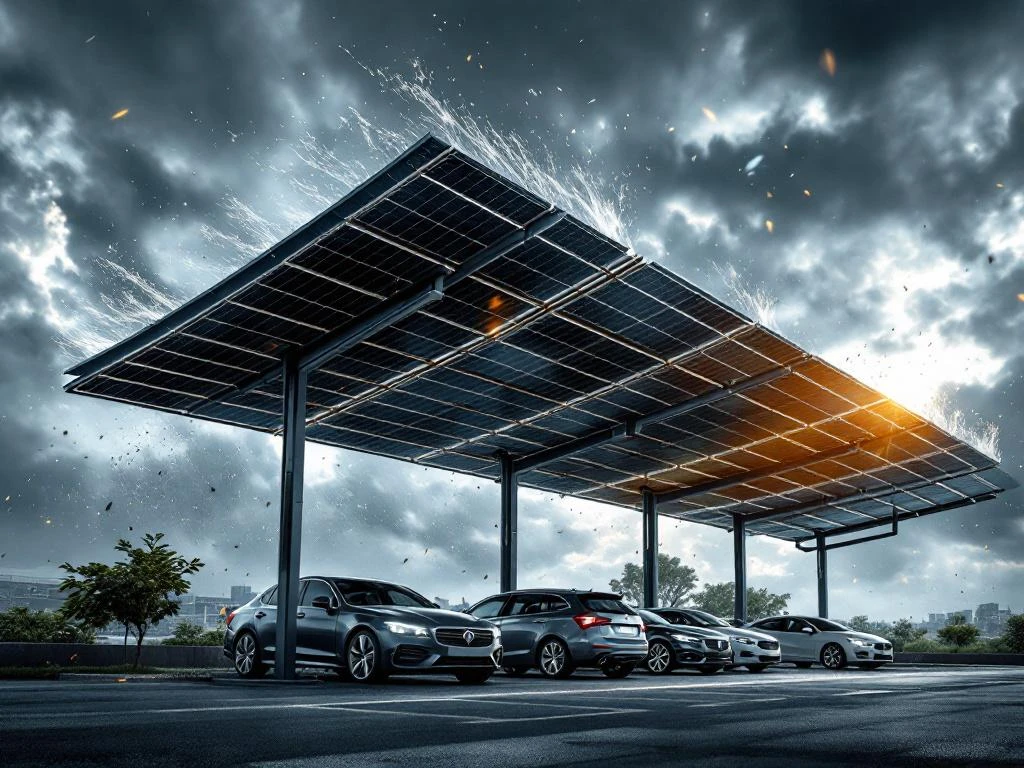
How much wind can a solar carport withstand?
Solar carports are designed to withstand wind speeds between 90 and 150 mph, depending on their structural design, materials, and installation specifications. Most commercial solar carports follow engineering standards that account for local wind conditions and building codes. However, the actual wind resistance depends on factors such as foundation type, mounting systems, and geographic location. Understanding these wind limits helps protect your investment and ensures proper insurance coverage for your solar carport installation.
What wind speeds can solar carports typically handle?
Most solar carports can withstand wind speeds of 90–150 mph when they are properly designed and installed according to engineering specifications. The exact wind rating depends on the structural design, materials used, and local building code requirements for your specific location.
Standard commercial solar carports typically receive wind ratings based on International Building Code (IBC) requirements, which consider regional wind maps and local weather patterns. Steel-framed carports generally handle higher wind loads than aluminum structures due to their superior strength-to-weight ratio. The mounting system design also plays a significant role, with ballasted systems requiring different calculations than anchored foundations.
Geographic location heavily influences design requirements. Coastal areas prone to hurricanes require higher wind ratings than inland regions. Engineers must account for both sustained wind speeds and wind gusts, as sudden pressure changes can create additional stress on the structure. Proper installation by certified professionals ensures the carport meets its designed wind resistance specifications.
How do engineers calculate wind loads for solar carport structures?
Engineers calculate wind loads using established formulas from the American Society of Civil Engineers (ASCE 7) standard and International Building Code requirements. These calculations consider wind speed maps, structure height, surface area, and local terrain features to determine the total wind pressure the carport must withstand.
The calculation process begins with determining the basic wind speed for your location using ASCE wind maps. Engineers then apply factors for structure height, exposure category (urban vs. open terrain), and topographic effects such as hills or valleys. The solar panel surface area creates additional wind load considerations, as panels can act like sails in high winds.
Wind load calculations must account for both uplift forces (trying to lift the structure) and lateral forces (pushing sideways). The combination of these forces determines the foundation requirements and structural member sizes needed. Engineers also consider dynamic effects, where wind gusts can create resonance that amplifies structural stress beyond static calculations.
What happens when wind speeds exceed a solar carport’s design limits?
When wind speeds exceed design limits, solar carports can experience structural damage ranging from panel displacement to complete structural failure. The severity depends on how much the actual wind speed exceeds the design rating and the specific failure modes anticipated in the structural design.
Many modern solar carports include engineered failure mechanisms designed to protect the main structure. Solar panels may detach from mounting rails before the support structure fails, limiting overall damage. However, this still results in significant repair costs and potential safety hazards from flying debris.
Insurance implications become important when wind damage occurs. Most commercial solar installations require Scope 12 inspections for insurance coverage, and insurers may deny claims if the structure was not designed for local wind conditions. As an insurance broker specializing in renewable energy projects, we see that proper documentation of design specifications and regular maintenance records significantly affects claim outcomes.
Complete structural failure can result in total loss of the installation, potential damage to vehicles or property underneath, and liability issues. This highlights why proper initial design and regular structural inspections are important for long-term protection.
Which factors affect how much wind a solar carport can withstand?
The primary factors affecting wind resistance include foundation type, structural materials, mounting systems, and geographic location. Each element contributes to the overall wind load capacity and determines how the structure responds to wind forces.
Foundation design significantly impacts wind resistance. Concrete footings with proper depth and reinforcement provide superior wind resistance compared to ballasted systems. Soil conditions also matter, as loose or sandy soils may not provide adequate holding power for anchor bolts during extreme wind events.
Material selection affects both strength and weight distribution. Steel structures typically offer higher wind resistance than aluminum but require proper corrosion protection. The connection details between structural members often determine failure points, making quality fabrication and installation important for achieving design wind loads.
Terrain features around the installation site can create wind acceleration or turbulence that exceeds design assumptions. Buildings, trees, or hills can channel wind in unexpected ways. Regular maintenance also affects performance, as loose bolts, damaged panels, or degraded connections can reduce the structure’s ability to handle design wind loads.
How can you improve your solar carport’s wind resistance?
You can improve wind resistance through proper installation techniques, regular maintenance, structural reinforcements, and professional upgrades. The most effective improvements address the weakest links in your current system while maintaining structural integrity.
Regular maintenance provides the most cost-effective improvement. Check and tighten all bolted connections quarterly, as thermal cycling can loosen fasteners over time. Inspect mounting rails for damage or corrosion that could weaken attachment points. Replace damaged or cracked panels promptly, as compromised panels create weak points that can propagate failure during wind events.
Structural reinforcements may include adding cross-bracing, upgrading connection hardware, or installing additional foundation anchors. However, any modifications should be designed by qualified structural engineers to ensure they do not create new stress concentrations or alter the structure’s load paths in unintended ways.
Consider professional wind inspections if your area is experiencing increasingly severe weather. Engineers can evaluate your existing structure against current building codes and recommend specific upgrades. This documentation also helps with insurance coverage and can prevent claim disputes after wind damage occurs.
How Solarif helps with solar carport wind safety assessments
We provide comprehensive inspection services, quality assessments, and insurance solutions specifically designed for solar carport installations. Our expertise helps protect your investment through proper evaluation of wind-related structural conditions and appropriate insurance coverage for weather-related damage.
Our services include:
- Scope 12 inspections that evaluate structural integrity and identify potential wind-related vulnerabilities
- Scope 8 inspections for factory quality assessments
- Scope 10 inspections for batch quality control
- Insurance brokerage connecting you with A-rated insurers who understand solar carport wind risks
As insurance brokers specializing in renewable energy projects, we understand how insurers evaluate wind-related risks for solar carports. We help ensure your installation meets insurer requirements and provide guidance on maintaining coverage after modifications or extreme weather events.
Ready to protect your solar carport investment? Contact our inspection specialists today for a comprehensive wind safety assessment and insurance consultation tailored to your solar installation and location.
Insurance and inspection needs for your BESS?
Contact us today if you want to know more about the possibilities in BESS insurance and Scope inspections.
📧 Email: support@solarif.com
☎️ Phone: +31 (0)26 711 5050