



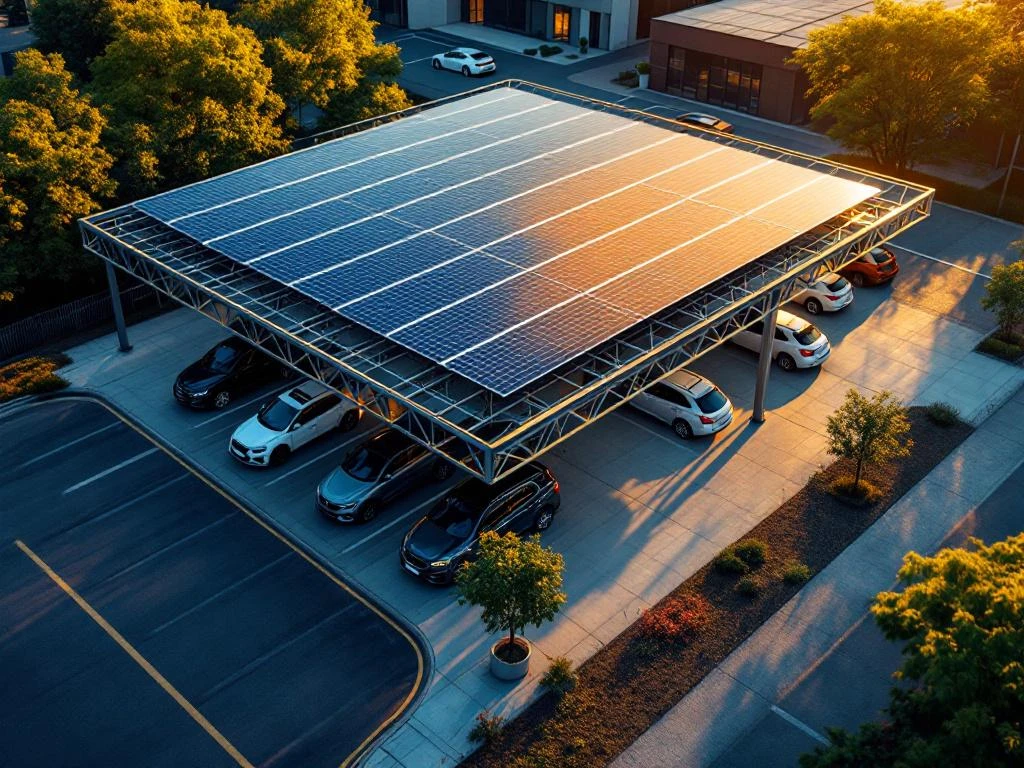
What structural requirements do solar carports need?
Solar carports must meet specific structural requirements to safely support solar panels while providing reliable vehicle protection. These structures need engineered foundations, proper load calculations, and compliance with building codes to handle environmental forces and equipment weight. The structural design depends on carport size, local climate conditions, material selection, and safety regulations that govern commercial solar installations.
What structural loads must solar carports handle?
Solar carports must withstand dead loads, live loads, wind loads, snow loads, and seismic forces to ensure structural integrity. Dead loads include the permanent weight of solar panels, mounting systems, and the carport structure itself. Live loads account for maintenance access, cleaning equipment, and temporary loading during installation.
Wind loads present significant challenges for solar carports due to their elevated position and panel surface area. The structure must resist both uplift forces that can lift panels and lateral forces that create sideways pressure. Snow loads vary by geographic location, with northern climates requiring calculations for accumulated snow weight on both the panels and the carport roof structure.
Seismic considerations become important in earthquake-prone regions, where the structure must flex appropriately without failure. Solar panel weight typically adds 2–4 pounds per square foot to the overall load calculation, but the mounting system and structural reinforcements can increase this significantly. Local climate factors such as ice accumulation, sustained winds, and temperature cycling affect long-term structural performance and must be incorporated into engineering calculations.
What foundation requirements do solar carports need?
Solar carport foundations require concrete footings, pile systems, or ballasted foundations depending on soil conditions and structural loads. Concrete footings provide the most common solution, typically extending below the frost line to prevent movement from freeze–thaw cycles. The foundation depth and width depend on soil bearing capacity and the total loads being transferred.
Pile foundations work well in areas with poor soil conditions or high water tables. These driven or drilled piles transfer loads to deeper, more stable soil layers. Ballasted systems use concrete blocks or other heavy materials to provide stability without deep excavation, though they require larger footprint areas and careful engineering to prevent sliding or overturning.
Soil analysis determines the appropriate foundation type and sizing. Geotechnical reports identify soil bearing capacity, drainage characteristics, and potential settlement issues. Foundation specifications must account for both vertical loads from the structure and lateral forces from wind and seismic activity. Proper drainage around foundations prevents water-related damage and maintains structural stability over time.
Which building codes apply to solar carport construction?
Solar carport construction must comply with the International Building Code (IBC), local zoning requirements, and electrical codes that govern structural safety and installation standards. The IBC provides baseline structural requirements for load calculations, materials, and construction methods. Local building departments often modify these codes based on regional climate conditions and specific safety concerns.
Zoning requirements affect setbacks, height restrictions, and land use compatibility for solar carport installations. Some jurisdictions classify solar carports as accessory structures with different requirements than primary buildings. Electrical codes govern the solar panel installation, wiring methods, and safety disconnects required for the system.
Permit processes typically require structural engineering calculations, electrical plans, and site plans showing the carport location. Building inspections occur at multiple stages, including foundation, framing, electrical rough-in, and final completion. The inspection requirements ensure compliance with approved plans and applicable codes. Proper Risk Management inspections help identify structural failure risks when codes are not followed properly, making compliance verification important for both safety and insurance coverage.
How do you calculate structural requirements for different carport sizes?
Structural calculations for solar carports depend on span requirements, column spacing, and total load distribution across the structure. Larger carports require more robust framing members and closer column spacing to handle increased loads safely. The relationship between span and structural depth follows engineering principles in which longer spans need proportionally deeper beams or trusses.
Column spacing affects both structural efficiency and parking functionality. Typical spacing ranges from 20 to 30 feet to accommodate vehicle circulation while maintaining structural economy. Wider spacing requires larger beams and foundations but reduces the number of columns needed. The structural design must balance material costs with construction complexity.
Size affects material selection significantly. Smaller carports may use standard steel sections, while larger installations often require custom-designed members or engineered trusses. The solar panel layout influences structural grid spacing, since panels perform best with consistent support spacing. Load paths must transfer forces efficiently from panels through the structure to foundations without creating stress concentrations.
What materials and connections are required for solar carport frames?
Solar carport frames typically use galvanized steel or aluminum construction with engineered connections designed for long-term durability. Steel provides excellent strength-to-weight ratios and works well for larger spans, while aluminum offers superior corrosion resistance in coastal or industrial environments. Both materials require proper surface treatments to withstand decades of weather exposure.
Connection methods include bolted joints for field assembly and welded connections for shop fabrication. Bolted connections allow for easier installation and future modifications but require regular inspection and maintenance. Welded connections provide permanent strength but need skilled labor and quality control during fabrication. All connections must resist the full range of applied loads, including tension, compression, and shear forces.
Corrosion resistance is critical for long-term structural performance. Hot-dip galvanizing provides excellent protection for steel components, while aluminum naturally forms protective oxide layers. Connection hardware must match the base material’s corrosion resistance to prevent galvanic corrosion. Material selection affects both initial costs and maintenance requirements over the carport’s expected 25–30-year service life.
How Solarif helps with solar carport structural requirements
We provide comprehensive structural inspection services for solar carport projects through our certified inspection capabilities and insurance expertise. Our approach ensures your carport installation meets both structural safety requirements and insurance coverage standards.
Our services include:
- Scios Scope 12 inspections for commercial solar carport installations
- Scios Scope 8 inspections for structural assessments during construction
- Scios Scope 10 inspections for ongoing maintenance and compliance verification
- Factory inspections to verify component quality before installation
- Batch inspections for quality control of materials and components
- Drone inspections for hard-to-reach structural elements and comprehensive site assessment
Our certified inspectors understand both the technical requirements and insurance implications of solar carport construction. We help you identify potential structural issues through our Risk Management inspection services while ensuring your project qualifies for comprehensive insurance coverage.
Ready to ensure your solar carport meets all structural and insurance requirements? Contact our team for comprehensive inspection services that protect your investment from day one.
Insurance and inspection needs for your BESS?
Contact us today if you want to know more about the possibilities in BESS insurance and Scope inspections.
📧 Email: support@solarif.com
☎️ Phone: +31 (0)26 711 5050