



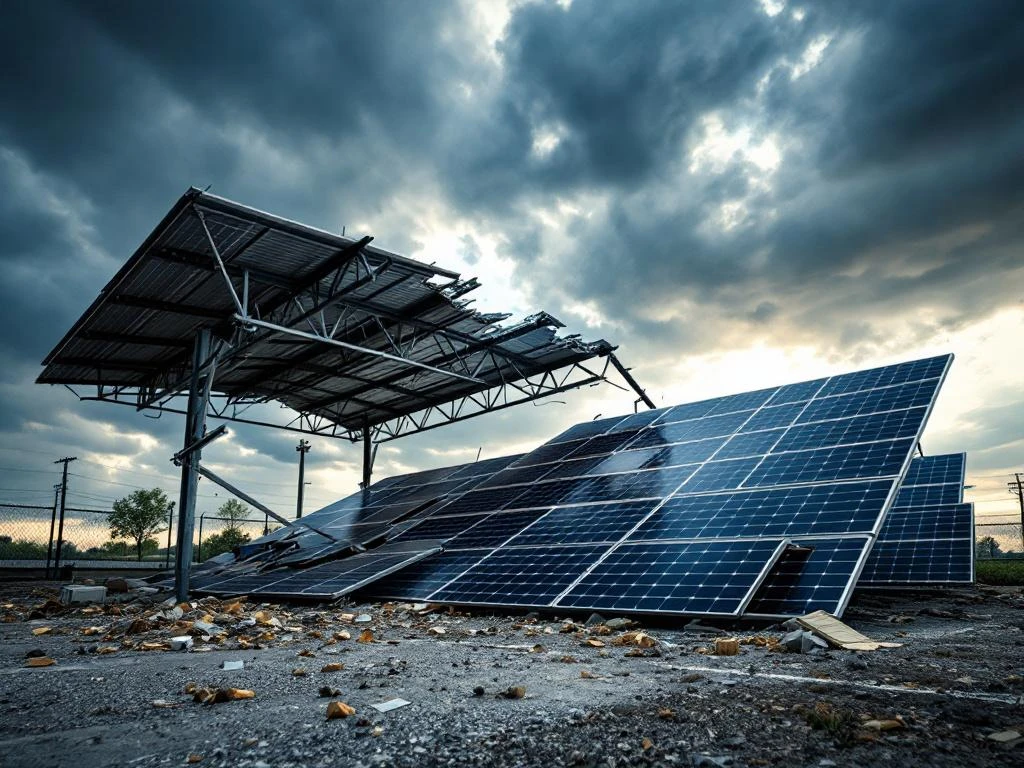
Can solar carports collapse?
Solar carports can collapse under specific circumstances, typically due to structural engineering failures, extreme weather conditions, or poor installation practices. While properly engineered solar carports are designed with significant safety margins to handle various loads, including snow and seismic forces, structural failures do occur when design standards are not met or when installations do not follow proper engineering protocols.
What are solar carports and how do they work?
Solar carports are elevated structures that provide covered parking while generating clean energy through photovoltaic panels mounted on their roofs. These dual-purpose installations combine traditional parking canopy functionality with renewable energy production, making them increasingly popular for commercial properties, shopping centers, and large residential complexes.
Unlike rooftop solar installations that are mounted on existing buildings, solar carports are standalone structures specifically engineered to support both vehicle parking below and solar panel arrays above. The elevated design allows for optimal panel positioning and angle adjustment while providing weather protection for vehicles underneath.
These structures typically feature steel or aluminum frameworks with solar panels integrated into the canopy design. The generated electricity can power nearby facilities, feed into the electrical grid, or charge electric vehicles through integrated charging stations. This makes solar carports particularly attractive for businesses looking to maximize land-use efficiency while reducing energy costs and their carbon footprint.
What causes solar carports to collapse?
Solar carport collapses primarily result from inadequate structural engineering, extreme weather events exceeding design parameters, poor installation practices, or material defects that compromise structural integrity over time. Understanding these failure modes helps identify potential risks and prevention strategies.
Inadequate engineering calculations represent the most common cause of structural failures. When designers underestimate loads such as snow loads or seismic forces, the resulting structure lacks sufficient strength to handle real-world conditions. This often occurs when generic designs are applied without proper site-specific engineering analysis.
Extreme weather conditions can overwhelm even properly designed structures when they exceed the parameters used in the original calculations. Heavy snow accumulation or severe storms can create loads beyond the structure’s capacity. Additionally, poor installation practices such as inadequate foundation work, improper connection details, or substandard materials can create weak points that lead to progressive failure.
Material defects, including steel fatigue, connection corrosion, or manufacturing flaws in structural components, can gradually weaken the structure over time. These issues often develop slowly and may not be apparent until a failure occurs under normal loading conditions.
How are solar carports engineered to prevent structural failure?
Proper solar carport engineering incorporates comprehensive load calculations, environmental resistance analysis, seismic considerations, and substantial safety factors to ensure structural integrity under all anticipated conditions. Professional engineers must account for multiple load combinations and failure scenarios during the design process.
Load calculations form the foundation of safe design, considering dead loads (permanent structure weight), live loads (temporary loads such as maintenance personnel), environmental loads based on local climate data, snow loads for applicable climates, and seismic loads in earthquake-prone regions. Engineers must evaluate how these loads combine and interact to determine maximum stress conditions.
Environmental resistance requires particular attention since solar carports present large surface areas exposed to various forces. The design must account for both uplift forces and lateral forces that can cause overturning. Foundation design must resist these forces through adequate size, depth, and reinforcement.
Safety factors provide an additional margin above calculated loads to account for uncertainties in loading, material properties, and construction quality. Typical safety factors range from 1.5 to 2.5 times the expected loads, depending on the specific design code and application. Regular structural analysis using computer modeling helps verify that all components can handle the required loads with appropriate safety margins.
What warning signs indicate a solar carport might be at risk?
Visual indicators of potential structural problems include sagging or deflection of beams, unusual creaking or popping sounds during weather events, loose or damaged connections, and signs of material deterioration such as rust or cracking. Regular observation can help identify issues before they become dangerous.
Structural sagging often appears as visible downward bending of support beams or the overall canopy structure. Even minor sagging can indicate that loads are exceeding design capacity or that structural components are weakening. This is particularly noticeable when comparing the structure’s current profile to its original straight lines.
Unusual sounds during weather events, such as excessive creaking, popping, or grinding noises, can indicate that connections are working loose or that structural members are experiencing stress beyond their design limits. These sounds often occur when environmental loads cause the structure to flex more than intended.
Connection deterioration manifests as loose bolts, cracked welds, or visible gaps where components should fit tightly together. Rust or corrosion around connection points can weaken structural integrity over time. Additionally, cracks in concrete foundations or visible settlement can indicate foundation problems that affect the stability of the entire structure.
How do you ensure your solar carport is properly inspected and maintained?
Regular professional inspections should occur annually or after significant weather events, focusing on structural components, connections, foundations, and overall system integrity. Establishing a systematic maintenance schedule helps identify and address issues before they become safety hazards.
Professional structural assessments should evaluate all load-bearing components, connection integrity, foundation condition, and overall structural performance. Qualified structural engineers can identify potential problems that may not be obvious to untrained observers and recommend appropriate corrective actions.
Routine maintenance protocols should include cleaning debris from the structure, checking and tightening connection hardware, inspecting for signs of corrosion or wear, and ensuring proper drainage around foundations. Documentation of all inspections and maintenance activities helps track the structure’s condition over time.
Post-storm inspections become particularly important after severe weather events such as heavy snow loads or other extreme conditions. Even if no obvious damage is visible, these events may have stressed the structure in ways that require professional evaluation. Prompt assessment after extreme weather helps identify any compromise to structural integrity before it leads to failure.
How Solarif helps with solar carport safety and risk management
We provide comprehensive risk management and insurance solutions specifically designed for solar carport installations, helping protect your investment through proper evaluation and coverage. Our specialized approach addresses the unique challenges associated with these elevated structures.
Our services include:
- Scios Scope 12 inspections for commercial solar installations
- Scios Scope 8 inspections to assess structural integrity
- Scios Scope 10 inspections for ongoing monitoring
- Factory inspection services for component quality verification
- Batch inspection to ensure consistent manufacturing standards
- Drone inspection capabilities for comprehensive structural assessment
- Comprehensive insurance coverage for both structural and operational risks
As an insurance broker specializing in renewable energy projects, we understand that proper inspection and assessment go beyond just having coverage. We work with you to identify potential structural issues through our specialized inspection services, ensure compliance with insurer requirements, and provide the peace of mind that comes with comprehensive protection.
Ready to secure your solar carport investment? Contact our renewable energy insurance specialists today for a comprehensive inspection assessment and a customized coverage solution that protects your business from structural and operational risks.
Insurance and inspection needs for your BESS?
Contact us today if you want to know more about the possibilities in BESS insurance and Scope inspections.
📧 Email: support@solarif.com
☎️ Phone: +31 (0)26 711 5050