


How do you prevent theft at solar farms?
Solar farm theft prevention requires a multi-layered approach combining physical security measures, advanced surveillance systems, and comprehensive insurance coverage. Effective protection strategies include perimeter fencing, motion detection systems, proper lighting, and remote monitoring capabilities. These measures work together to deter criminals and minimize the significant financial losses that can result from the theft of valuable solar equipment and copper components.
What makes solar farms attractive targets for thieves?
Solar farms present attractive targets for criminals due to their valuable copper components, remote locations with limited security presence, and equipment with high resale value. Thieves specifically target DC cables containing copper wiring, which can be quickly removed and sold for substantial profit on the black market.
Remote solar installations often lack regular human supervision, making them vulnerable to criminal activity during weekends and nighttime hours. The modular nature of solar equipment allows thieves to selectively steal high-value components without needing to remove entire systems. Inverters, monitoring equipment, and copper cables are particularly sought after because they are portable and command good prices in secondary markets.
Criminal patterns typically involve organized groups that scout installations beforehand, identifying security weaknesses and planning quick extraction routes. The time-sensitive nature of solar projects means that even brief disruptions from theft can result in significant production losses and costly delays while replacement components are sourced and installed.
What are the most effective physical security measures for solar farms?
Effective physical security combines perimeter barriers, access control systems, strategic lighting, and layout design that makes theft difficult and risky. High-security fencing with anti-climb features serves as the first line of defense, while controlled access points limit unauthorized entry to solar installations.
Perimeter security should include reinforced fencing at least 1.80 m high with barbed wire or razor wire extensions. Access gates must be secured with high-quality locks and should be positioned to allow clear visibility from monitoring points. Motion-activated lighting around critical areas deters criminals while providing better visibility for surveillance systems.
Strategic layout design can significantly reduce theft risk by positioning high-value equipment such as inverters and transformers in centralized, well-lit areas that are easily monitored. Creating clear sight lines throughout the installation eliminates hiding spots where thieves might work undetected. Consider installing equipment in locked enclosures or securing smaller valuable components to prevent quick removal.
How do surveillance systems protect solar installations from theft?
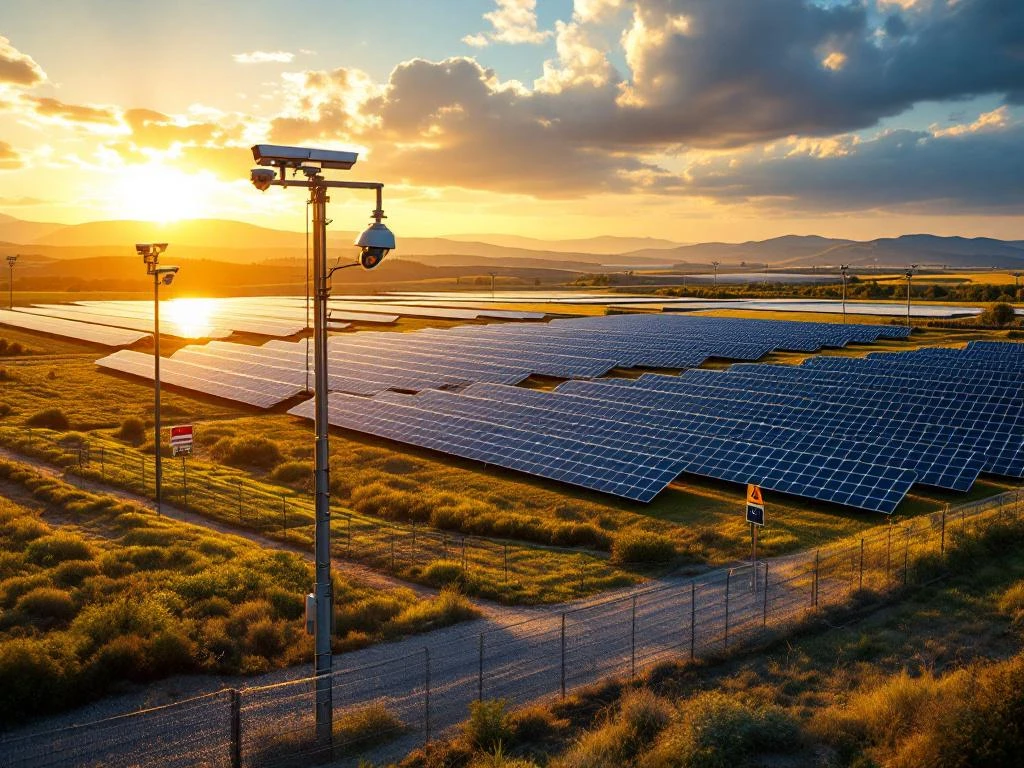
Modern surveillance systems provide comprehensive protection through camera networks, motion detection technology, thermal imaging, and remote monitoring capabilities that deliver real-time threat alerts. These systems offer 24/7 security coverage even for unmanned solar installations in remote locations.
Camera systems should include both fixed and pan-tilt-zoom units positioned to cover all entry points and high-value equipment areas. Motion detection sensors can trigger immediate alerts and activate recording systems when unauthorized movement occurs. Thermal imaging technology works effectively in low-light conditions and can detect human presence even when visual cameras might miss activity.
Remote monitoring capabilities allow security personnel to respond quickly to alerts and coordinate with local law enforcement when necessary. Cloud-based systems ensure that video footage remains secure even if on-site equipment is damaged or stolen. Integration with mobile alert systems enables immediate notification of security breaches to facility managers and security teams.
What role does insurance play in solar farm theft protection?
Comprehensive insurance coverage protects against theft losses by covering equipment replacement costs, production losses during repair periods, and consequential damages from criminal activity. Insurance providers typically require specific security measures to qualify for coverage and may offer reduced premiums for installations with robust theft prevention systems.
Solar panel risks covered by all-risks insurance policies include theft of DC cables, inverters, and other valuable components. Coverage extends beyond simple replacement costs to include lost production revenue during the time needed to source and install replacement equipment. This protection is particularly important given that even weekend theft incidents can result in extended downtime.
Insurance requirements often specify minimum security standards, including perimeter fencing, surveillance systems, and access controls. Meeting these requirements not only ensures coverage but also demonstrates due diligence in protecting the investment. Some insurers offer premium discounts for installations that exceed minimum security requirements or implement advanced monitoring systems.
How can you secure solar farms in remote locations?
Remote solar installations require specialized security approaches, including wireless monitoring systems, solar-powered security equipment, and community-based protection strategies. Self-powered security systems ensure continuous operation even when grid connections are limited or unreliable.
Wireless communication systems enable real-time monitoring and alerts without requiring extensive infrastructure investment. Solar-powered security cameras and sensors can operate independently while providing the same level of protection as grid-connected systems. Satellite communication links ensure that remote monitoring remains effective even in areas with poor cellular coverage.
Community-based protection involves building relationships with local residents, farmers, and businesses who can serve as informal security monitors. Training nearby personnel to recognize suspicious activity and providing direct communication channels to security teams creates an extended surveillance network. Consider implementing reward programs for information leading to theft prevention or the recovery of stolen equipment.
How Solarif helps with solar farm security and theft prevention
We provide comprehensive protection for solar investments through specialized insurance solutions, security requirement guidance, and inspection services that address the unique challenges of renewable energy installations. Our approach combines insurance expertise with practical security implementation to minimize theft vulnerabilities and financial losses.
Our services include:
- Tailored all-risks insurance coverage that protects against theft, including DC cable theft and equipment damage
- Security requirement assessments to help you meet insurer standards and qualify for optimal coverage
- Inspection services, including Scope 12 inspections that identify security vulnerabilities
- Claims support and rapid response coordination when theft incidents occur
Our specialized knowledge of solar panel risks ensures that your security measures align with both insurance requirements and practical theft prevention needs. We work with you to develop security strategies that protect your investment while maintaining operational efficiency.
Protect your solar investment with comprehensive security and insurance coverage. Contact our renewable energy insurance specialists today to discuss your theft prevention needs and secure optimal protection for your solar installation.
Insurance and inspection needs for your BESS?
Contact us today if you want to know more about the possibilities in BESS insurance and Scope inspections.
📧 Email: support@solarif.com
☎️ Phone: +31 (0)26 711 5050