



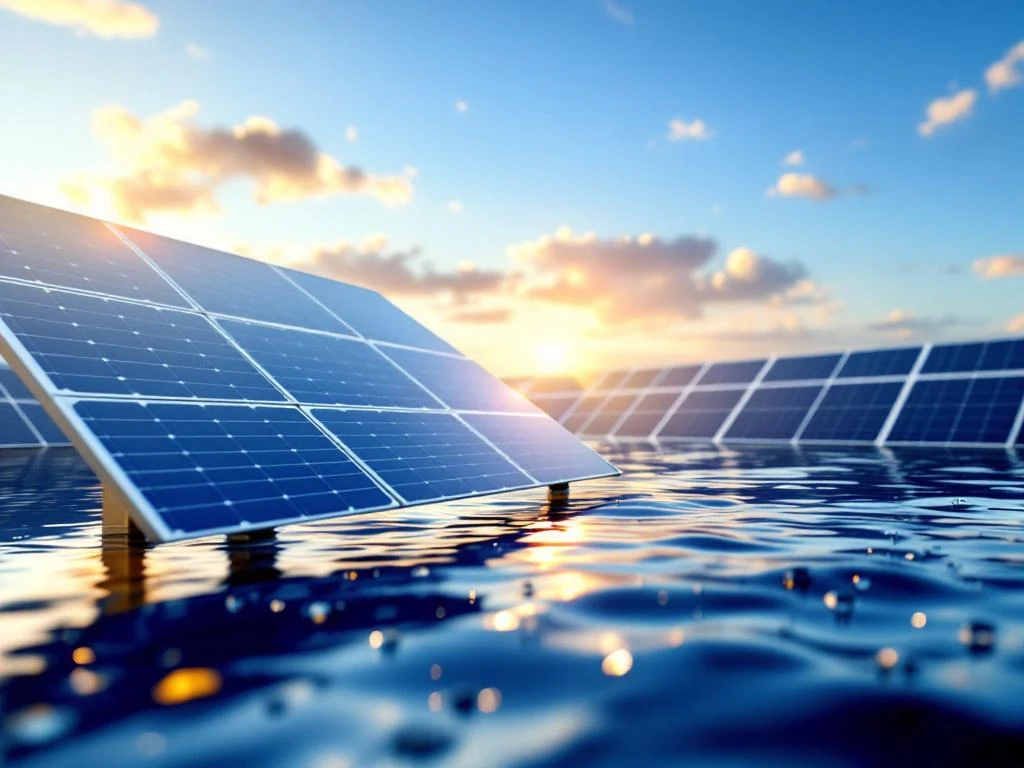
How do ground-mounted solar panels handle flooding?
Ground-mounted solar panels face serious risks during flooding, including electrical hazards, equipment damage, and structural instability. Floodwater can compromise safety systems, damage electrical components, and create dangerous conditions requiring immediate shutdown. While proper installation height and flood-resistant design features help protect systems, understanding flood response procedures and implementing protective measures is important for minimizing damage and ensuring safe operation in flood-prone areas.
What happens to ground-mounted solar panels during flooding?
When floodwater reaches ground-mounted solar panels, electrical safety becomes the immediate priority, as water and electricity create dangerous conditions. The combination of water and electrical current can cause electrocution risks, short circuits, and equipment failures that compromise the entire system.
Floodwater affects solar installations in several ways. Water can penetrate electrical connections, causing corrosion and system failures. The panels themselves may suffer physical damage from debris carried by moving water. Mounting structures can become unstable as floodwater erodes foundations or creates uneven pressure loads.
Solar panel risks during flooding also include potential fires from electrical arcing when water contacts damaged connections. Inverters and electrical components are particularly vulnerable, as they contain sensitive electronics that malfunction when exposed to moisture. The grounding system may be compromised, eliminating important safety protections.
Most importantly, flooded solar systems must be shut down immediately to prevent electrocution. Even after water recedes, systems require professional inspection before reactivation to ensure all components are safe for operation.
How high should ground-mounted solar panels be installed to avoid flood damage?
Ground-mounted solar panels should be installed at least 2–3 feet above the highest recorded flood level in your area, though local building codes may require greater elevations. This height provides protection against typical flooding while maintaining accessibility for maintenance and cleaning.
Flood zone considerations play a major role in determining installation height. Properties in FEMA flood zones often have specific elevation requirements that solar installations must meet. Areas designated as high-risk flood zones typically require higher mounting to qualify for insurance coverage and comply with local regulations.
Local building codes establish minimum heights based on regional flood patterns and historical data. These requirements vary significantly by location, with coastal areas often requiring higher elevations than inland regions. Some jurisdictions mandate that installations be above the base flood elevation plus additional freeboard for safety margins.
Installation height affects both protection and practicality. Higher mounting provides better flood protection but increases weather exposure and installation costs. The optimal height balances flood risk with structural requirements, ensuring panels remain secure during storms while staying above anticipated water levels.
What flood protection measures work best for ground-mounted solar systems?
The most effective flood protection combines waterproof electrical connections, elevated mounting systems, and proper drainage to create multiple layers of defense against water damage. These measures work together to protect both equipment and electrical safety.
Waterproof electrical connections use sealed junction boxes and weather-resistant cables designed for outdoor exposure. Marine-grade connections and protective housings prevent water infiltration that could cause dangerous electrical faults. Regular inspections ensure seals remain intact and effective.
Elevated mounting systems raise panels and electrical components above anticipated flood levels. Concrete piers or steel posts provide stable foundations that resist erosion. Proper foundation design accounts for soil conditions and potential scour from moving water.
Drainage solutions direct water away from installations and prevent pooling around mounting structures. French drains, swales, and grading help manage surface water flow. Adequate drainage reduces hydrostatic pressure on foundations and minimizes erosion risks.
Protective barriers like berms or flood walls can deflect water away from solar installations. However, these measures require careful engineering to avoid creating drainage problems elsewhere on the property.
Can ground-mounted solar panels be designed to withstand flooding?
Yes, ground-mounted solar panels can be engineered with flood-resistant features, including waterproof components, reinforced foundations, and elevated electrical systems. These design elements significantly improve system resilience during flood events while maintaining operational reliability.
Waterproof components include sealed inverters, junction boxes with IP67 ratings, and cables designed for submersion. Marine-grade materials resist corrosion from prolonged water exposure. Proper component selection ensures electrical systems can withstand temporary flooding without permanent damage.
Proper grounding techniques become even more important in flood-prone installations. Equipment grounding conductors must maintain integrity during flooding to ensure safety systems function correctly. Grounding electrodes require adequate depth and corrosion resistance for reliable operation.
Engineering solutions include breakaway mounting systems that allow panels to move with flood forces rather than resist them. Flexible connections accommodate movement while maintaining electrical continuity. Some designs incorporate quick-disconnect features that allow rapid system shutdown during flood warnings.
Foundation design accounts for scour potential and hydrostatic forces. Deep pilings or spread footings provide stability during flooding. Proper drainage around foundations prevents undermining and maintains structural integrity.
What should you do if your ground-mounted solar panels get flooded?
Immediately shut down the solar system and stay away from flooded equipment until water recedes and a professional inspection confirms safety. Never attempt to operate or inspect flooded electrical equipment, as this creates serious electrocution risks.
Emergency response procedures start with system shutdown using the main disconnect switch if it is safely accessible. If the disconnect is flooded or inaccessible, contact your utility company to disconnect service at the meter. Document the flooding with photos for insurance purposes, but only from a safe distance.
Safety protocols require treating all flooded electrical equipment as energized and dangerous. Keep people and animals away from the installation area. Do not attempt to clean or move equipment until professionals declare it safe. Standing water near electrical equipment creates electrocution hazards that can extend well beyond the immediate installation area.
Damage assessment must be performed by qualified professionals familiar with solar installations. They will inspect electrical connections, test insulation resistance, and verify grounding system integrity. Components may require replacement even if they appear undamaged, as water exposure can cause delayed failures.
Recovery actions include professional cleaning and testing of all electrical components. Inverters and electrical panels often require replacement after flooding. The system cannot be reactivated until all safety inspections are complete and any damaged components are properly repaired or replaced.
How Solarif helps with flood risk management for solar projects
We provide flood Risk Management services through specialized inspections and assessments that help protect your solar investment from water damage. Our inspection services identify flood-related vulnerabilities and ensure installations meet proper safety standards.
Our flood Risk Management services include:
- Scios Scope 12 inspections – We verify proper installation techniques that minimize flood risks and ensure compliance with safety standards.
- Factory inspection – We assess equipment quality and flood resistance features during manufacturing.
- Batch inspection – We evaluate component batches for flood protection capabilities and proper sealing.
- Drone inspection – We use aerial assessments to identify drainage issues and flood vulnerability areas around installations.
Our experience with over 521 Scope 12 inspections and 3.8 GW of insured capacity gives us deep understanding of how flood risks affect commercial solar projects. Through our inspection services, we help identify potential flood vulnerabilities and verify that protective measures are properly implemented.
Contact our Solarif experts today to discuss flood protection inspections for your ground-mounted solar project and ensure your installation meets proper safety standards against water damage.
Insurance and inspection needs for your BESS?
Contact us today if you want to know more about the possibilities in BESS insurance and Scope inspections.
📧 Email: support@solarif.com
☎️ Phone: +31 (0)26 711 5050