


How do animals affect solar farm operations?
Animals significantly impact solar farm operations through both beneficial partnerships and operational challenges. While grazing animals like sheep can reduce maintenance costs through natural vegetation management, wildlife can cause performance issues through panel contamination, equipment damage, and safety concerns. Understanding these interactions helps solar operators develop effective management strategies that protect their investments while supporting environmental sustainability.
What types of animals commonly interact with solar farms?
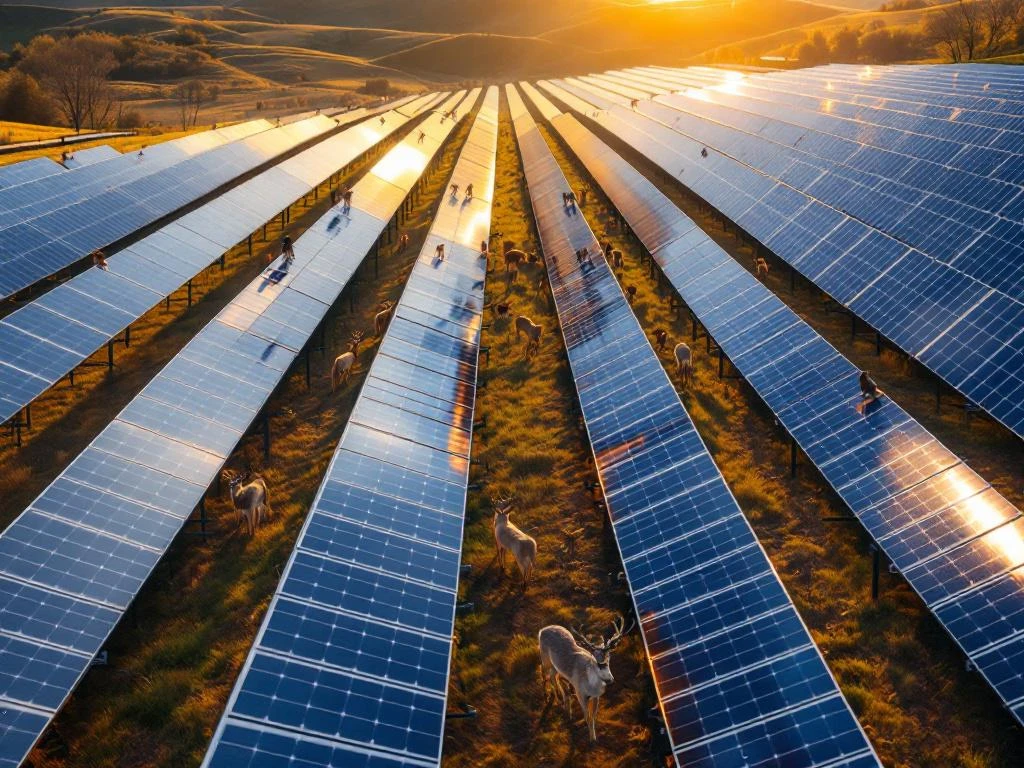
Solar farms attract diverse animal species depending on their location and environment. Grazing livestock such as sheep and cattle are intentionally introduced for vegetation management, while wild animals including birds, rodents, deer, and smaller mammals naturally inhabit these areas. Desert installations may encounter different species than grassland or agricultural solar farms.
The large open spaces and elevated panel structures create unique habitats that appeal to various wildlife. Birds often use panel frames for perching and nesting, while ground-dwelling animals such as rabbits and prairie dogs may establish burrows beneath installations. Larger mammals such as deer and elk can wander through unfenced solar farms, particularly during migration seasons.
Environmental factors heavily influence which animals appear at solar sites. Coastal installations might attract seabirds, while mountain locations could see different wildlife patterns. The surrounding landscape determines whether you will encounter agricultural animals, forest species, or desert wildlife at your solar installation.
How do grazing animals like sheep benefit solar farm operations?
Sheep provide natural vegetation management that reduces mowing costs and creates sustainable dual land use. This practice, known as agrivoltaics, allows solar farms to maintain agricultural productivity while generating clean energy. Sheep effectively control grass growth around panels without damaging equipment.
The symbiotic relationship benefits both industries significantly. Sheep receive shelter from panels during extreme weather while providing ongoing vegetation control. Their grazing patterns naturally maintain optimal grass heights that prevent shading of lower panel edges while reducing fire risks from overgrown vegetation.
Cattle can also be used in larger solar installations, though they require more robust panel mounting systems and higher clearances. The key advantage of grazing animals is their ability to maintain vegetation year-round without fossil fuel consumption, supporting the environmental goals of renewable energy projects while reducing operational expenses.
What problems can wildlife cause for solar panel performance?
Bird droppings represent the most common wildlife-related performance issue, reducing panel efficiency by blocking sunlight. Nesting activities under panels can create fire hazards and damage wiring, while rodents may chew through cables, causing system failures and creating potential inspection challenges for operators.
Larger animals pose different challenges, including physical damage to panels, mounting structures, and perimeter fencing. Deer and elk can damage panels by walking across them or rubbing against mounting posts. Their presence also creates safety hazards for maintenance workers who may encounter unpredictable wildlife during inspections.
Thermal imaging from drone inspections can detect areas where animal activity affects panel performance. Contamination from droppings creates hotspots visible in thermal scans, while nesting materials can block ventilation, causing overheating issues that reduce energy output and potentially damage equipment.
How do you protect solar installations from animal damage?
Proper fencing remains the primary defense against larger animals, with height and material selection based on local wildlife. Wildlife deterrents, including visual barriers, sound devices, and scent repellents, can redirect animals away from sensitive equipment areas without harming them.
Panel design considerations include adequate ground clearance to discourage nesting and smooth surfaces that prevent bird perching. Installing critter guards around panel perimeters blocks access to wiring while maintaining ventilation. Regular inspection protocols help identify animal-related issues before they escalate into major problems.
Maintenance strategies should include scheduled cleaning to remove droppings and debris, vegetation management that does not create attractive habitats near equipment, and prompt repair of any damage that might provide animal access points. Professional wildlife management consultation can provide site-specific solutions for persistent animal problems.
What are the environmental benefits of animal-friendly solar farms?
Well-designed solar farms create valuable wildlife habitats while generating clean energy. The spaces between panel rows can support pollinator-friendly vegetation that benefits local ecosystems and agricultural areas. This approach transforms solar installations into productive landscapes rather than purely industrial sites.
Biodiversity increases when solar farms incorporate native plant species and wildlife corridors. The reduced pesticide use compared to intensive agriculture creates healthier environments for beneficial insects, birds, and small mammals. Solar installations can serve as stepping stones for wildlife movement across fragmented landscapes.
Sustainable land use practices at solar farms demonstrate how renewable energy projects can enhance rather than degrade local environments. By supporting both energy production and ecological health, these installations contribute to broader sustainability goals while maintaining productive relationships with surrounding communities and ecosystems.
How Solarif helps with solar farm animal management
We provide comprehensive Risk Management inspections and insurance solutions for solar projects facing animal-related challenges. Our specialized knowledge of renewable energy operations helps identify potential wildlife issues through detailed inspections and develop appropriate coverage strategies that protect your investment from animal damage.
Our services include:
- Quality inspections using advanced drone technology to detect animal damage, contamination, and performance issues
- Scios scope inspections for wildlife interactions specific to your project location and design
- Insurance coverage tailored to animal-related risks, including equipment damage and performance losses
- Project matching that connects you with wildlife management specialists and agrivoltaic partners
Ready to protect your solar investment from animal-related risks? Contact our renewable energy insurance specialists today for a comprehensive assessment of your project’s wildlife management needs and insurance requirements.
Insurance and inspection needs for your BESS?
Contact us today if you want to know more about the possibilities in BESS insurance and Scope inspections.
📧 Email: support@solarif.com
☎️ Phone: +31 (0)26 711 5050