


What are the main risks of floating solar panels?
Floating solar panels face unique risks that differ significantly from traditional ground-mounted or rooftop installations. These water-based systems encounter environmental challenges such as wave action, water level fluctuations, and enhanced corrosion from constant moisture exposure. Anchoring failures, limited maintenance access, and specialized equipment requirements create additional solar panel risks that require careful consideration and professional inspection services.
What makes floating solar panels different from traditional installations?
Floating solar systems operate on water surfaces using specialized flotation platforms and anchoring systems instead of fixed ground or roof mounting. These installations require waterproof electrical components, marine-grade materials, and flexible cabling to accommodate water movement. Constant exposure to moisture, temperature fluctuations, and water-based environmental factors creates distinct risk profiles compared to land-based solar projects.
The water environment introduces movement dynamics that traditional installations do not experience. Floating platforms must flex with wave action while maintaining electrical connections and structural integrity. This requires specialized mounting hardware, enhanced waterproofing, and different electrical safety considerations. Additionally, the marine environment demands materials that can withstand prolonged exposure to humidity, water spray, and potentially corrosive conditions.
These unique characteristics mean that standard solar installation practices and inspection protocols do not directly apply to floating systems. Project developers must consider marine engineering principles, water level management, and specialized maintenance protocols from the initial design phase.
What are the biggest environmental risks for floating solar systems?
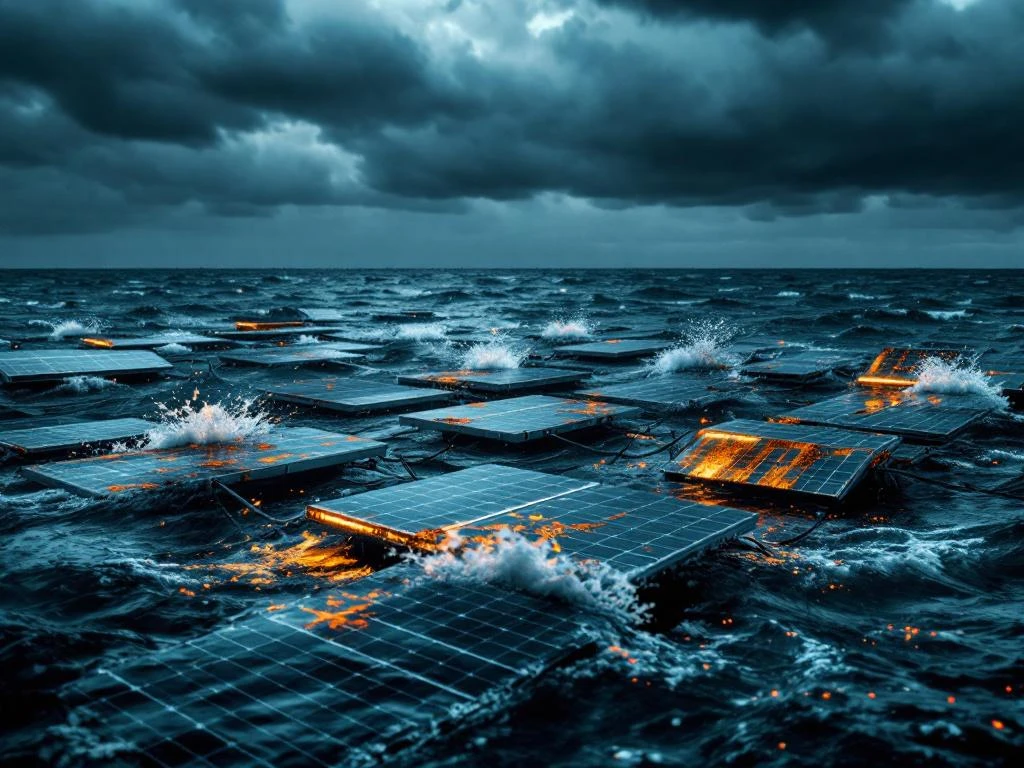
Environmental risks for floating solar installations include severe weather events such as storms generating large waves and water level fluctuations that affect platform positioning. Ice formation in colder climates can damage flotation systems and create additional structural stress on the entire installation.
Strong weather conditions create complex forces that anchoring systems must withstand when combined with wave action. Water level changes due to seasonal variations, drought, or flooding can stress mooring lines and potentially leave platforms stranded or submerged beyond safe operating parameters.
Temperature variations also affect floating systems differently than land-based installations. Water provides thermal mass that moderates temperature swings, but this can also create humidity and condensation issues for electrical components. Extreme weather events such as hail, lightning, or severe storms pose heightened risks when combined with water exposure and limited emergency access.
How do water exposure and corrosion affect floating solar panels?
Constant moisture exposure accelerates corrosion of metal components, degrades electrical connections, and can compromise waterproofing seals over time. Saltwater environments present particularly aggressive conditions that can damage aluminum frames, steel anchoring components, and electrical hardware much faster than typical outdoor exposure.
Humidity affects electrical components differently in floating installations because moisture levels remain consistently high rather than cycling with weather patterns. This can lead to condensation inside junction boxes, inverters, and other electrical enclosures. Waterproofing failures that might cause minor issues in traditional installations can result in immediate safety hazards and equipment damage in floating systems.
The combination of moisture, temperature cycling, and UV exposure creates challenging conditions for cable insulation and electrical connections. Marine environments also introduce biological factors such as algae growth and water contamination that can affect system performance and create additional maintenance requirements.
What anchoring and mooring problems can floating solar projects face?
Anchoring system failures represent one of the most serious risks for floating solar installations, potentially resulting in complete system displacement during storms or high-water conditions. Inadequate anchoring design, corrosion of mooring hardware, or unexpected changes in water conditions can cause platforms to break free from their intended positions.
Platform stability issues arise when anchoring systems do not properly account for the dynamic forces created by waves and water level changes. Poor mooring design can allow excessive platform movement that stresses electrical connections, damages panels, or creates safety hazards for maintenance personnel.
Foundation problems in floating systems often relate to anchor point selection and installation. Unlike ground-mounted systems with concrete foundations, floating installations rely on lake or reservoir bottom conditions that may change over time due to sediment movement, erosion, or water level fluctuations. These changes can compromise anchor holding power and system stability.
Why is maintenance more challenging for floating solar installations?
Maintenance access requires boats or specialized floating equipment, significantly increasing complexity and costs compared to walking on solid ground or rooftops. Weather conditions that would not prevent maintenance on land-based systems can make water-based access dangerous or impossible, extending downtime periods.
Specialized equipment needs include marine-rated tools, waterproof testing equipment, and safety gear designed for over-water work. Maintenance personnel require additional training for water safety and working from unstable platforms. Simple tasks such as panel cleaning or electrical troubleshooting become more complex when performed from floating platforms.
Inspection complexity increases because visual assessments must account for underwater components such as anchoring systems and submerged cabling. Routine maintenance schedules often depend on water conditions and weather, making it difficult to maintain consistent service intervals. Emergency repairs can be particularly challenging when weather conditions prevent safe water access.
How Solarif helps with floating solar panel risk management
We specialize in professional inspection services and insurance solutions for floating solar installations, understanding the unique challenges these water-based systems present. Our expertise in renewable energy insurance allows us to properly evaluate and cover the specific risks that floating solar projects face.
Our Risk Management services for floating solar projects include:
- Scios Scope 12 inspections covering marine environmental factors, anchoring systems, and water-related exposures
- Factory inspections to ensure quality standards before installation in challenging water environments
- Batch inspections for floating solar components and specialized marine hardware
- Drone inspections providing safe assessment capabilities over water surfaces
With over 15 years of experience in renewable energy insurance and 521 Scope 12 inspections completed, we understand how to assess and protect your floating solar investment. Contact our experts today to discuss comprehensive inspection solutions for your floating solar project.
Insurance and inspection needs for your BESS?
Contact us today if you want to know more about the possibilities in BESS insurance and Scope inspections.
📧 Email: support@solarif.com
☎️ Phone: +31 (0)26 711 5050