



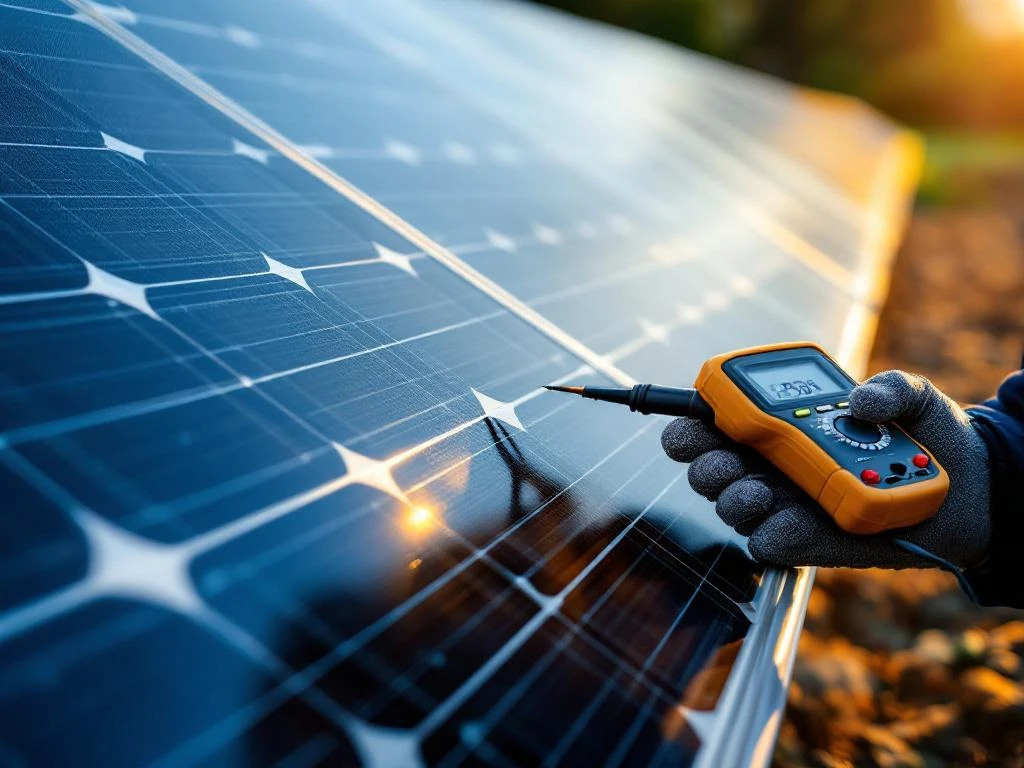
What does a visual inspection of PV modules include?
A visual inspection of PV modules examines the physical condition and external appearance of solar panels to identify defects, damage, and performance issues. This assessment checks for cracks, discoloration, delamination, corrosion, and installation problems that could affect safety and energy output. Visual inspections form a critical component of comprehensive solar panel quality control and maintenance programmes.
What exactly happens during a visual inspection of PV modules?
A visual inspection of PV modules follows a systematic approach in which qualified inspectors examine every accessible surface and component of the solar panels. The process begins with documentation of the installation layout, followed by detailed examination of individual modules, mounting systems, and electrical connections.
Inspectors start by reviewing the overall installation configuration and noting any obvious irregularities or damage patterns. They then examine each module methodically, checking both the front glass surface and accessible rear areas. The inspection covers the module frame, junction boxes, bypass diodes, and cable connections to ensure all components meet safety and performance standards.
During the examination, inspectors document the condition of protective backsheets, looking for signs of wear, cracking, or UV degradation. They also assess the integrity of edge seals and check for any signs of moisture ingress or internal condensation that could compromise module performance.
The inspection process includes verification that modules are properly secured to mounting structures and that adequate spacing exists for thermal expansion. Inspectors also evaluate the condition of grounding connections and verify that all electrical terminations appear secure and are properly protected from environmental exposure.
What defects and issues can visual inspection detect in solar panels?
Visual inspections can identify numerous defects that affect both the safety and performance of PV modules. Common issues include cell cracks, which appear as lines across individual solar cells and can reduce power output while creating potential safety hazards through electrical arcing.
Discoloration patterns often indicate internal problems such as overheating, moisture damage, or manufacturing defects. Brown or yellow discoloration typically suggests EVA (ethylene vinyl acetate) degradation, while white or milky areas may indicate delamination between the glass and encapsulant layers.
Inspectors regularly detect physical damage including impact marks, scratches, and chips in the front glass that can allow moisture penetration. Backsheet deterioration appears as cracking, chalking, or complete failure of the protective rear layer, potentially exposing electrical components to environmental conditions.
Corrosion of metal components, particularly frames and mounting hardware, becomes visible through rust formation or white oxidation deposits. Junction box problems manifest as burn marks, melted plastic, or loose connections that pose fire risks and cause performance degradation.
String ribbon failures, where the metallic conductors connecting individual cells become disconnected or corroded, create visible dark lines or spots that indicate electrical discontinuity and power loss.
How do inspectors evaluate the overall condition and performance potential?
Inspectors use standardised assessment criteria to evaluate module condition and estimate performance impact. They categorise defects by severity level, considering both immediate safety concerns and long-term reliability implications for the solar installation.
The evaluation process involves documenting defect locations, sizes, and severity using photographic evidence and detailed descriptions. Inspectors assess whether identified issues require immediate attention or can be monitored during future maintenance cycles.
Performance impact assessment considers how visual defects translate to electrical output reduction. Cell cracks may cause minor power loss initially but can propagate over time, leading to complete cell failure. Delamination affects light transmission and can accelerate other degradation mechanisms.
Inspectors evaluate overall installation quality by examining mounting integrity, proper spacing, and adherence to manufacturer specifications. They assess whether the installation configuration allows for adequate drainage, ventilation, and accessibility for future maintenance activities.
The condition assessment includes recommendations for remedial actions, ranging from immediate repairs for safety-critical issues to scheduled maintenance for minor defects. This evaluation helps property owners prioritise maintenance activities and budget for necessary improvements.
What tools and equipment are used during PV module visual inspections?
Professional PV module inspections utilise specialised equipment to capture detailed visual information and document findings comprehensively. High-resolution digital cameras with macro lenses enable inspectors to photograph small defects and create detailed records of module conditions.
Tablet computers or ruggedised mobile devices run inspection software that allows real-time data entry, GPS location tracking, and immediate photo integration with inspection reports. This technology ensures accurate documentation and reduces the likelihood of missing critical information during field assessments.
Measurement tools including rulers, callipers, and measuring tapes help quantify defect sizes and verify proper installation spacing. Torque meters may be used to check mounting bolt tightness, while multimeters can verify basic electrical continuity where accessible.
Safety equipment forms an important part of the inspection toolkit, including personal protective equipment, fall protection gear for rooftop installations, and lockout/tagout devices for electrical safety. Ladders, scaffolding, or aerial work platforms provide safe access to elevated installations.
Some inspections incorporate thermal imaging cameras to identify hot spots or temperature anomalies that may not be visible to the naked eye, though this extends beyond purely visual assessment into thermal analysis.
When should you schedule visual inspections for your solar installation?
Visual inspections should occur at several key intervals throughout a solar installation’s lifecycle. Pre-installation inspections verify that modules arrive on site without shipping damage and meet quality expectations before installation begins.
Commissioning inspections take place immediately after installation is complete to document initial system condition and identify any installation-related issues. This baseline documentation proves valuable for warranty claims and future condition assessments.
Regular maintenance inspections typically occur annually or biannually, depending on environmental conditions and system size. Installations in harsh environments with extreme temperatures or severe weather conditions may require more frequent visual assessments.
Trigger events warrant immediate visual inspection, including severe weather events, suspected damage from falling debris, or noticeable performance degradation identified through monitoring systems. Any visible damage or unusual system behaviour should prompt a professional visual assessment.
Insurance requirements may dictate specific inspection schedules, particularly for commercial installations where Scope 12 inspections are often required by insurers. These comprehensive assessments include detailed visual examinations alongside electrical testing and safety evaluations.
How Solarif helps with PV module inspections
We provide comprehensive visual inspection services through our certified Scope 12 inspectors, who conduct thorough assessments of commercial PV installations. Our systematic approach ensures that every aspect of your solar modules receives proper evaluation, from individual cell condition to overall system integrity.
Our inspection services include:
- Detailed visual examination of all PV modules, mounting systems, and electrical components
- Professional documentation with high-resolution photography and precise defect mapping
- Comprehensive reporting that meets insurance requirements and industry standards
- Risk Management services including Scios Scope 12, Scope 8, and Scope 10 inspections
- Clear recommendations for maintenance, repairs, or system improvements
As an insurance broker specialising in renewable energy projects, we understand how proper visual inspections support insurability for your solar investment. Our certified inspectors follow SCIOS guidelines and provide the documentation insurers require for commercial PV installations.
Contact our inspection team to schedule a comprehensive visual assessment that protects your solar investment and ensures compliance with safety standards.
Insurance and inspection needs for your BESS?
Contact us today if you want to know more about the possibilities in BESS insurance and Scope inspections.
📧 Email: support@solarif.com
☎️ Phone: +31 (0)26 711 5050