


How often should solar panels be inspected?
Solar panel inspection frequency varies by installation type and operating conditions. Commercial solar installations typically need annual inspections to meet insurance requirements, while newer systems may require less frequent monitoring during their first years. Weather conditions, system age, and performance indicators all influence how often you should schedule professional solar panel inspections to maintain optimal energy production and safety standards.
What does a solar panel inspection actually involve?
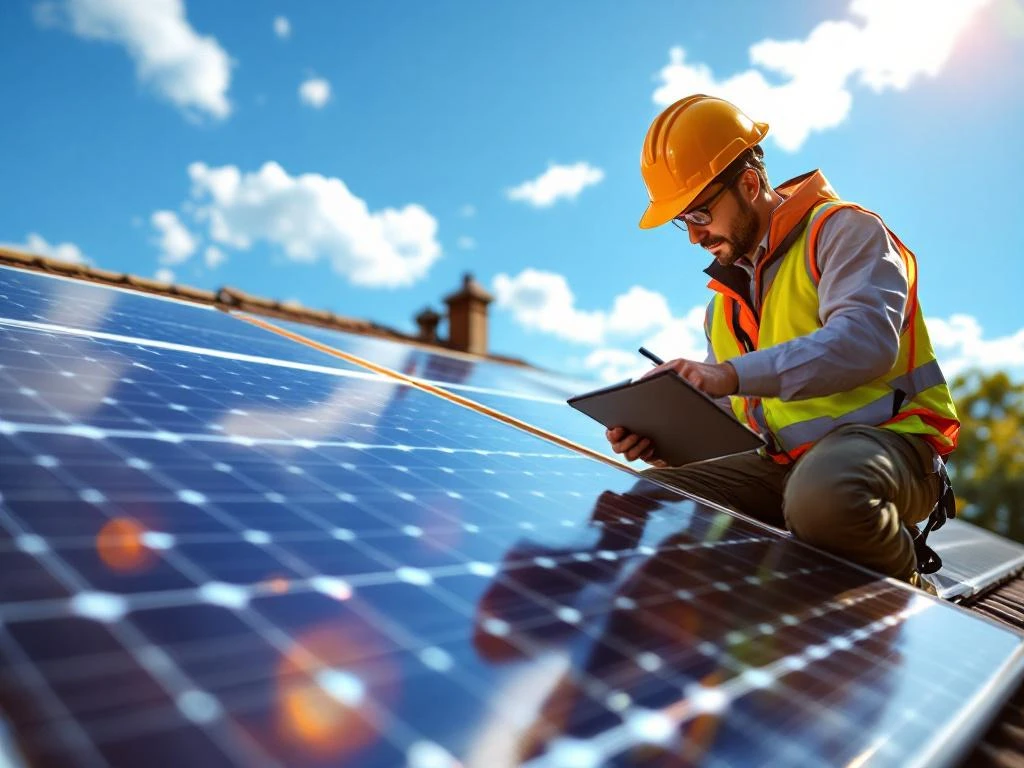
A comprehensive solar panel inspection combines visual checks, electrical testing, thermal imaging, and performance analysis to assess system safety and efficiency. Professional inspectors examine mounting systems, electrical connections, inverter functionality, and panel condition while documenting any issues that could affect performance or pose safety risks.
The inspection process begins with a visual assessment of panels, mounting structures, and electrical components. Inspectors look for physical damage, corrosion, loose connections, and proper cable management. They verify that DC cables are properly separated and secured, preventing potential electrical hazards.
Electrical testing measures voltage, current, and resistance across the system. Inspectors check inverter settings to prevent voltage loss and ensure optimal power conversion. They also test grounding systems and electrical safety mechanisms to confirm proper operation.
Thermal imaging identifies hotspots, faulty cells, and connection issues invisible to the naked eye. This technology reveals efficiency problems before they cause significant energy loss or system damage. Performance analysis compares actual output against expected production levels, helping identify underperforming components.
How often should residential solar panels be inspected?
Note that we focus exclusively on commercial and utility-scale solar installations. Residential solar panel inspection falls outside our area of expertise, as we specialize in business-to-business services for larger renewable energy projects and commercial solar investments.
For commercial solar installations, inspection frequency depends on system complexity, environmental conditions, and insurance requirements. Most commercial systems benefit from annual professional inspections, particularly those requiring insurance coverage.
Why do commercial solar projects need different inspection schedules?
Commercial solar projects require more frequent and comprehensive inspections due to their scale, complexity, and financial stakes. Insurance requirements, regulatory compliance, and investor expectations create different inspection needs compared to smaller installations.
Insurance requirements drive much of the inspection schedule for commercial projects. While Scope 12 inspections are not legally required, most insurers demand them before providing coverage for commercial PV installations. These inspections ensure installations meet safety standards and remain insurable throughout their operational life.
Large-scale installations face greater exposure to environmental stresses and mechanical wear. Thousands of panels, multiple inverters, and complex electrical systems create more potential failure points. Regular inspections help identify issues before they cascade into major problems affecting entire sections of the installation.
Commercial projects also need to meet performance guarantees for investors and lenders. Regular monitoring and inspection ensure systems maintain expected output levels, protecting financial returns and meeting contractual obligations.
What signs indicate your solar panels need immediate inspection?
Sudden performance drops, visible damage, inverter alerts, and unusual system behavior indicate immediate inspection needs. Any reduction in energy output exceeding normal seasonal variations warrants professional assessment to identify and address underlying problems.
Monitor your system’s energy production regularly. A performance drop of more than 10% compared to similar weather conditions in previous months suggests potential issues. This could indicate panel damage, electrical problems, or component failures requiring immediate attention.
Physical damage signs include cracked panels, loose mounting hardware, damaged cables, or water infiltration around electrical components. Severe weather events like hailstorms, heavy rainfall, or extreme temperature fluctuations often necessitate immediate post-event inspections.
Inverter error codes or unusual sounds from electrical components signal potential safety hazards. These warnings should never be ignored, as electrical issues can pose fire risks or cause complete system shutdown.
How do weather conditions affect solar panel inspection timing?
Weather conditions significantly influence inspection timing and frequency requirements. Extreme weather events, seasonal changes, and local climate patterns all affect when solar panels need professional assessment to maintain optimal performance and safety.
Schedule inspections after severe weather events such as hailstorms, heavy rainfall, or extreme temperature fluctuations. These conditions can cause immediate damage requiring prompt assessment and repair. Post-storm inspections help identify issues before they worsen or create safety hazards.
Seasonal inspections align with weather patterns in your region. Spring inspections assess winter weather damage and prepare systems for peak production months. Autumn inspections ensure systems are ready for harsh winter conditions and identify any maintenance needs before challenging weather arrives.
Coastal installations or systems in areas with high dust, salt exposure, or extreme temperatures may need more frequent inspections. These environmental factors accelerate component degradation and require closer monitoring to maintain system integrity.
How Solarif helps with solar panel inspections
We provide comprehensive inspection services that ensure your solar installations meet the highest safety and performance standards. Our SCIOS-certified inspectors conduct thorough assessments that satisfy insurance requirements and protect your renewable energy investments through our specialized inspection services.
Our inspection services include:
- Scope 12 inspections – Required by most insurers for commercial PV installations, ensuring safety and insurability
- Scope 8 inspections – Factory inspections to verify component quality and manufacturing standards
- Scope 10 inspections – Batch inspections ensuring consistent quality across component deliveries
- Drone assessments – Advanced thermal and visual imaging for efficient large-scale system monitoring
- Detailed reporting – Professional documentation that satisfies insurance and regulatory requirements
As an insurance broker specializing in renewable energy, we understand exactly what insurers require and how inspections affect your coverage options. Our certified team combines technical expertise with deep insurance industry knowledge to deliver inspections that protect both your assets and your business interests.
Ready to ensure your solar installation meets professional standards? Contact our inspection team at Solarif today to schedule a comprehensive assessment that protects your investment and satisfies insurance requirements.
Insurance and inspection needs for your BESS?
Contact us today if you want to know more about the possibilities in BESS insurance and Scope inspections.
📧 Email: support@solarif.com
☎️ Phone: +31 (0)26 711 5050