


What is thermal imaging inspection for solar panels?
Thermal imaging inspection for solar panels uses infrared cameras to detect temperature variations across solar installations, revealing hidden problems that visual inspections miss. This non-destructive testing method identifies hot spots, cell damage, connection issues, and other defects that can reduce performance or cause system failures. Understanding how thermal imaging works helps you maintain optimal solar system performance and protect your renewable energy investment.
What is thermal imaging inspection and how does it work on solar panels?
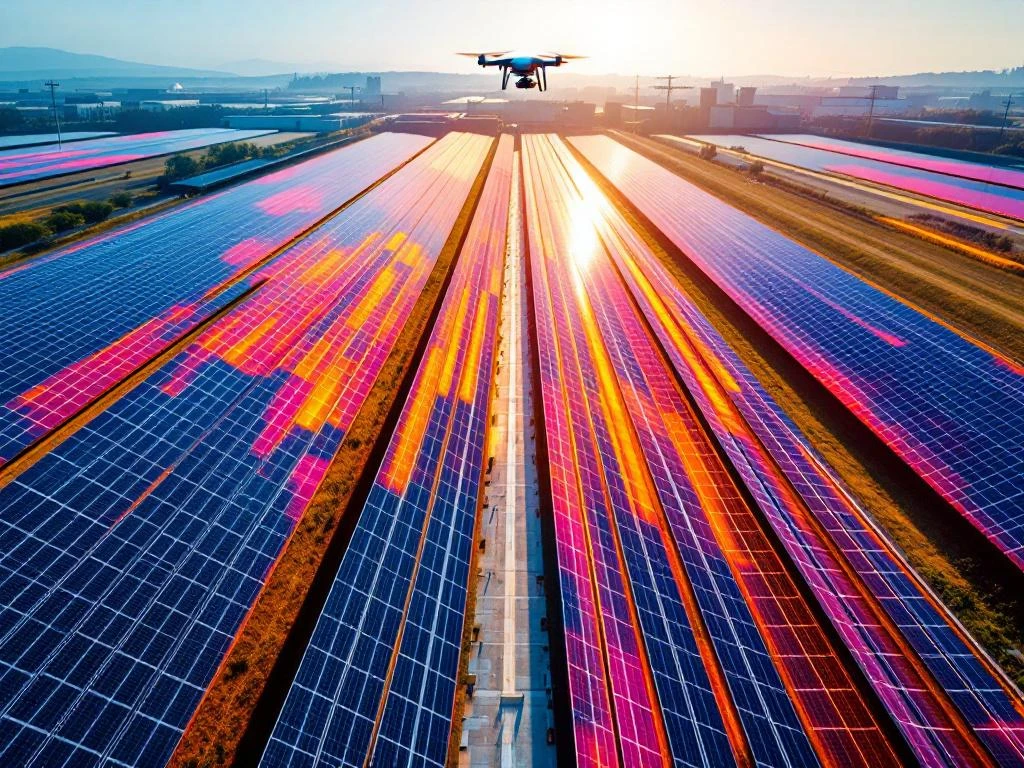
Thermal imaging inspection uses infrared cameras to detect heat patterns across solar panel surfaces, revealing temperature variations that indicate potential problems. The technology captures thermal radiation emitted by objects and converts it into visual images, where different temperatures appear as different colors or brightness levels.
During a solar panel thermal inspection, infrared cameras measure surface temperatures across the entire installation. Healthy solar cells typically operate at uniform temperatures under normal conditions. When cells are damaged, connections are loose, or other issues exist, these areas generate excess heat that appears as hot spots in thermal images.
The inspection process begins with setting up calibrated thermal cameras at optimal distances and angles to capture clear images of the solar array. Inspectors typically conduct thermal imaging during peak sunlight hours when panels are under load, making temperature differences more pronounced. The cameras can detect temperature variations as small as 0.1°C, providing detailed thermal maps of the entire installation.
Analysis involves comparing thermal images against baseline temperatures and identifying areas where temperatures exceed normal operating ranges. Experienced technicians interpret these thermal patterns to diagnose specific problems and recommend appropriate corrective actions.
Why do solar panels need thermal imaging inspections?
Solar panels need thermal imaging inspections because many performance-reducing problems generate heat signatures that are invisible to visual inspection but clearly detectable through infrared technology. These hidden issues can significantly impact energy production and system reliability if left unaddressed.
Hot spots represent one of the most common problems thermal imaging detects. These occur when individual cells or groups of cells operate at higher temperatures than surrounding areas, often indicating cell damage, shading effects, or electrical resistance issues. Hot spots can lead to permanent cell damage and create fire risks in severe cases.
Connection problems frequently generate excess heat at junction points, terminal connections, and combiner boxes. Loose connections create electrical resistance, which converts electrical energy into heat rather than usable power. Thermal imaging quickly identifies these connection issues before they cause system failures or safety hazards.
Bypass diode failures also create distinctive thermal signatures. When bypass diodes fail, they can cause entire strings of panels to underperform or create dangerous electrical conditions. Early detection through thermal imaging prevents these issues from escalating into costly repairs or system downtime.
What problems can thermal imaging detect in solar installations?
Thermal imaging can detect a comprehensive range of solar installation problems, from cracked cells and faulty connections to soiling patterns and manufacturing defects. Each type of problem creates distinctive thermal signatures that trained inspectors can identify and diagnose.
Cracked cells appear as hot lines or spots in thermal images, showing where electrical current must flow around damaged areas. These cracks often result from mechanical stress, thermal cycling, or impact damage and typically worsen over time without intervention.
Faulty electrical connections create heat buildup at connection points, appearing as bright hot spots in thermal images. These issues commonly occur at MC4 connectors, combiner boxes, and inverter connections, where corrosion, loose hardware, or improper installation creates electrical resistance.
Soiling and shading patterns become visible through thermal imaging as cooler areas where panels receive less sunlight. Heavy soiling, bird droppings, or debris create distinctive thermal patterns that help identify cleaning needs or shading issues requiring attention.
Inverter problems often generate characteristic heat signatures around inverter locations. Overheating inverters, failing components, or inadequate ventilation create thermal patterns that indicate maintenance needs or equipment replacement requirements.
Manufacturing defects such as poor soldering, inconsistent cell quality, or lamination issues create thermal irregularities across panel surfaces. These defects may not be visible during visual inspection but clearly appear in thermal images as temperature variations.
How often should you perform thermal imaging inspections on solar panels?
Commercial solar installations should undergo thermal imaging inspections annually during the first three years of operation, then every two years thereafter for optimal performance monitoring. The inspection frequency depends on system age, environmental conditions, and specific warranty or insurance requirements.
New installations benefit from thermal inspections within the first six months of operation to identify installation-related issues while they are still covered under construction warranties. Many problems that develop during the initial operation period are correctable at no cost to the system owner when detected early.
Environmental factors significantly influence inspection timing. Installations in harsh environments with extreme temperatures, high winds, or frequent severe weather may require more frequent thermal inspections. Coastal installations exposed to salt air or desert installations with heavy dust accumulation also benefit from increased inspection frequency.
Insurance requirements often dictate minimum inspection schedules for commercial solar installations. Many insurers require annual thermal inspections as part of their coverage terms, particularly for large commercial and utility-scale projects where performance issues can result in substantial financial losses.
Seasonal considerations affect inspection timing and effectiveness. Spring inspections after winter weather help identify weather-related damage, while late-summer inspections during peak heat can reveal thermal stress issues that may not be apparent during cooler months.
What’s the difference between thermal imaging and visual solar panel inspections?
Thermal imaging reveals hidden electrical and performance problems through heat detection, while visual inspections identify obvious physical damage and surface-level issues. Both inspection methods serve important but different roles in comprehensive solar system maintenance.
Visual inspections excel at detecting obvious problems such as cracked glass, damaged frames, loose mounting hardware, and visible soiling or debris. These inspections are quick, inexpensive, and can be performed by maintenance staff without specialized equipment. However, visual inspections cannot reliably detect electrical problems, cell-level damage, or performance issues that do not create visible symptoms.
Thermal imaging capabilities extend far beyond visual inspection limitations. Infrared cameras detect electrical resistance, cell damage, connection problems, and performance variations that are completely invisible to the naked eye. This technology identifies problems in their early stages, often before they cause noticeable performance degradation.
The timing requirements differ significantly between inspection methods. Visual inspections can be performed at any time of day and do not require specific weather conditions. Thermal imaging requires sunny conditions and active panel operation to generate meaningful temperature differences, limiting inspection windows to peak sunlight hours.
Cost considerations also vary between methods. Visual inspections require minimal equipment and can be performed quickly across large installations. Thermal imaging requires specialized infrared cameras and trained operators, making it more expensive per inspection but potentially more cost-effective through early problem detection and specialized inspection services.
How Solarif helps with thermal imaging inspections
We provide comprehensive thermal imaging inspection services that protect your solar investment through advanced infrared technology and expert analysis. Our drone-based thermal inspections deliver detailed assessments of your solar installation’s performance and condition, identifying problems before they impact your energy production or create safety risks.
Our thermal imaging services include:
- Advanced drone technology with high-resolution thermal cameras for comprehensive site coverage
- Expert analysis and reporting that identifies specific problems and recommends corrective actions
- Integration with visual inspections for complete system assessment and documentation
- Detailed thermal maps showing temperature variations across your entire solar installation
- Performance monitoring that tracks system health over time and identifies degradation trends
As an insurance broker specializing in renewable energy projects, we understand how thermal inspections support insurability and help maintain coverage requirements for commercial solar installations. Contact our experts to schedule a comprehensive thermal imaging inspection that protects your solar investment and ensures optimal performance.
Insurance and inspection needs for your BESS?
Contact us today if you want to know more about the possibilities in BESS insurance and Scope inspections.
📧 Email: support@solarif.com
☎️ Phone: +31 (0)26 711 5050