


What is the risk of ransomware attacks on solar farms?
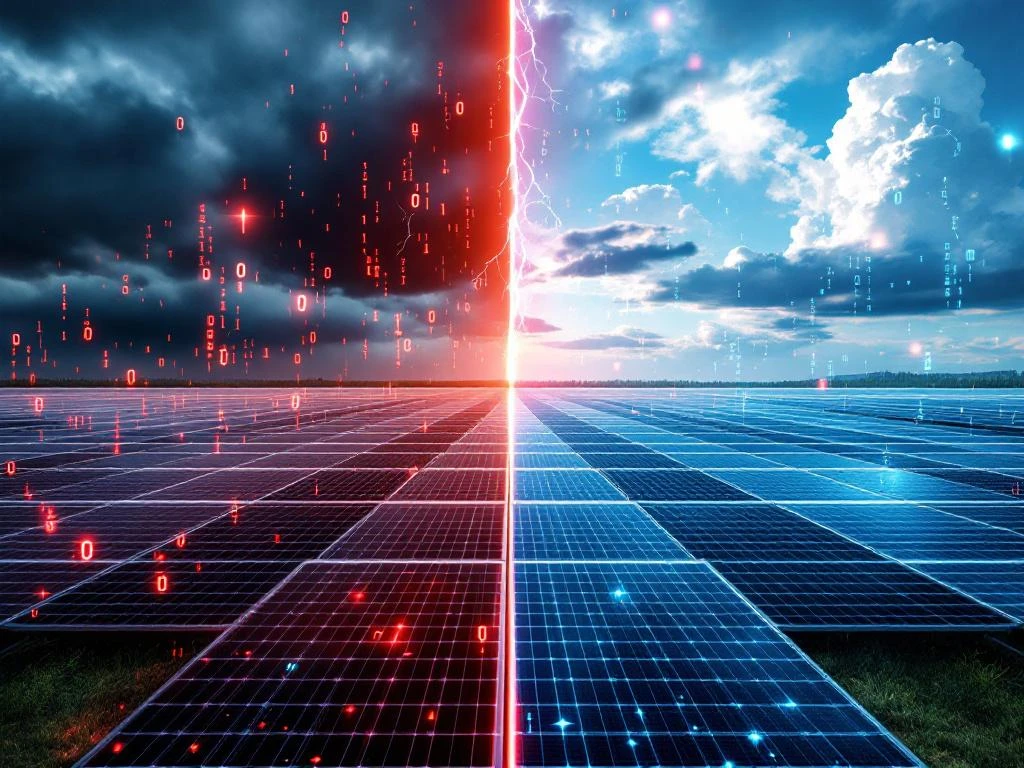
Ransomware attacks on solar farms represent a growing threat to renewable energy infrastructure, with cybercriminals targeting these facilities due to their critical role in power generation and often limited cybersecurity measures. Solar installations face unique vulnerabilities through connected monitoring systems, remote locations, and high-value operations that make them attractive targets for ransomware. Understanding these risks helps solar investors, developers, and operators protect their assets from potentially devastating cyberattacks.
What makes solar farms attractive targets for ransomware attacks?
Solar farms present compelling targets for ransomware attacks because they combine critical infrastructure status with operational vulnerabilities that cybercriminals exploit. These facilities generate substantial revenue through continuous energy production, making operators more likely to pay ransoms to restore operations quickly.
Remote locations make solar installations particularly vulnerable, since they often rely on wireless communications and have limited on-site security personnel. Many solar farms operate with minimal physical oversight, allowing cyberattacks to progress undetected for extended periods.
The interconnected nature of modern solar systems creates multiple entry points for attackers. Monitoring software, inverters, and control systems all connect to networks that can be compromised. When ransomware infiltrates these systems, it can shut down string inverters and halt energy production across entire installations.
Solar farms also store valuable operational data, including production records, maintenance schedules, and customer information. This data becomes leverage for cybercriminals, who can threaten to expose sensitive information alongside disrupting operations.
How do ransomware attacks actually happen on solar installations?
Ransomware typically infiltrates solar installations through phishing emails targeting employees with access to operational systems. Attackers send convincing emails containing malicious attachments or links that install ransomware when opened by unsuspecting staff members.
Unsecured remote access represents another common attack vector. Solar installations often use remote monitoring and control systems that lack proper security protocols. Cybercriminals exploit weak passwords, unencrypted connections, or outdated authentication methods to gain system access.
IoT device vulnerabilities provide additional entry points, since solar farms rely heavily on connected sensors, meters, and monitoring equipment. Many of these devices ship with default passwords or lack regular security updates, making them easy targets for exploitation.
Supply chain compromises occur when malware infiltrates firmware updates for monitoring software or control systems. Attackers embed malicious code in legitimate software updates, allowing ransomware to spread when installations apply these updates.
Once inside the network, ransomware spreads laterally through connected systems, encrypting critical operational data and control software before demanding payment for restoration.
What are the real costs when ransomware hits a solar farm?
Operational downtime creates the most immediate financial impact when ransomware attacks solar installations. Energy production losses accumulate rapidly, since solar farms generate revenue continuously during daylight hours. Even brief outages result in substantial income losses that compound over time.
Recovery costs extend beyond ransom payments to include system restoration, data recovery, and cybersecurity improvements. Organizations typically spend significant resources on incident response teams, forensic analysis, and system rebuilding efforts.
Insurance implications affect both immediate coverage and future premiums. Many insurance policies exclude cyber incidents from traditional all-risks coverage, leaving operators exposed to substantial uninsured losses. Future insurance costs often increase following cyber incidents.
Regulatory compliance costs emerge when attacks compromise customer data or critical infrastructure systems. Operators may face fines for failing to protect sensitive information or maintain a reliable energy supply.
Long-term reputational damage affects relationships with investors, customers, and partners. Solar installations that experience cyberattacks may struggle to secure future financing or maintain customer confidence in their operational reliability.
Legal expenses accumulate from customer claims, regulatory investigations, and potential lawsuits related to service disruptions or data breaches.
Which cybersecurity measures work best for protecting solar farms?
Network segmentation provides some of the most effective protection by isolating critical operational systems from administrative networks and internet connections. This prevents ransomware from spreading between different system components when one area becomes compromised.
Regular software updates and patch management address known vulnerabilities in monitoring systems, inverters, and control software. Establishing automated update schedules ensures security patches are applied promptly across all connected devices.
Employee training programs help staff recognize phishing attempts and follow proper cybersecurity protocols. Regular training sessions should cover email security, password management, and incident reporting procedures.
Comprehensive backup systems enable rapid recovery without paying ransoms. Offline backups stored separately from operational networks ensure data remains accessible even when primary systems become encrypted.
Continuous monitoring tools detect unusual network activity and potential cyber threats before they cause significant damage. These systems can identify ransomware signatures and automatically isolate affected components.
Multi-factor authentication strengthens access controls for remote monitoring and management systems. This prevents unauthorized access even when passwords are compromised.
Regular security assessments identify vulnerabilities in solar farm networks and connected devices before cybercriminals can exploit them.
How does ransomware risk affect solar farm insurance and investments?
Cyber threats significantly impact insurance premiums and coverage requirements for solar installations. Traditional all-risks insurance policies typically exclude cyber incidents, requiring separate cyber insurance coverage to protect against ransomware attacks and data breaches.
Insurers increasingly require cybersecurity assessments before providing coverage for commercial solar installations. These evaluations examine network security, employee training, backup procedures, and incident response capabilities.
Due diligence processes for solar investments now include comprehensive cyber inspections and assessments. Investors examine cybersecurity measures, previous incidents, and ongoing protection strategies when assessing project viability.
Assessment procedures incorporate cyber threat analysis alongside traditional physical and operational evaluations. Insurance brokers evaluate network architecture, security protocols, and vulnerability management when determining coverage terms.
Premium calculations reflect cybersecurity posture, with installations demonstrating strong cyber protection receiving more favorable rates. Conversely, facilities with poor cybersecurity face higher premiums or coverage exclusions.
Coverage requirements often mandate specific security measures, including network segmentation, regular backups, employee training, and incident response plans. Failure to maintain these requirements can void coverage.
How Solarif helps protect your solar investments from cyber threats
We provide comprehensive cyber inspections and assessments for solar projects through specialized insurance products and inspection services tailored specifically for solar energy investments. Our approach combines insurance coverage with proactive protection strategies.
Our cyber insurance solutions include:
- 24/7 incident response support for ransomware attacks and data breaches
- Coverage for operational downtime and production losses from cyber incidents
- Crisis management and reputation protection services
- Legal assistance and regulatory compliance support
- System restoration and data recovery cost coverage
We conduct thorough cybersecurity assessments that identify vulnerabilities in solar installations and recommend specific improvements. Our Risk Management inspections help reduce insurance premiums while strengthening overall security posture.
Contact our specialists today to discuss comprehensive cyber protection for your solar investments and ensure your renewable energy projects remain secure against evolving cyber threats.
Insurance and inspection needs for your BESS?
Contact us today if you want to know more about the possibilities in BESS insurance and Scope inspections.
📧 Email: support@solarif.com
☎️ Phone: +31 (0)26 711 5050