


How do you conduct a cyber risk assessment for solar?
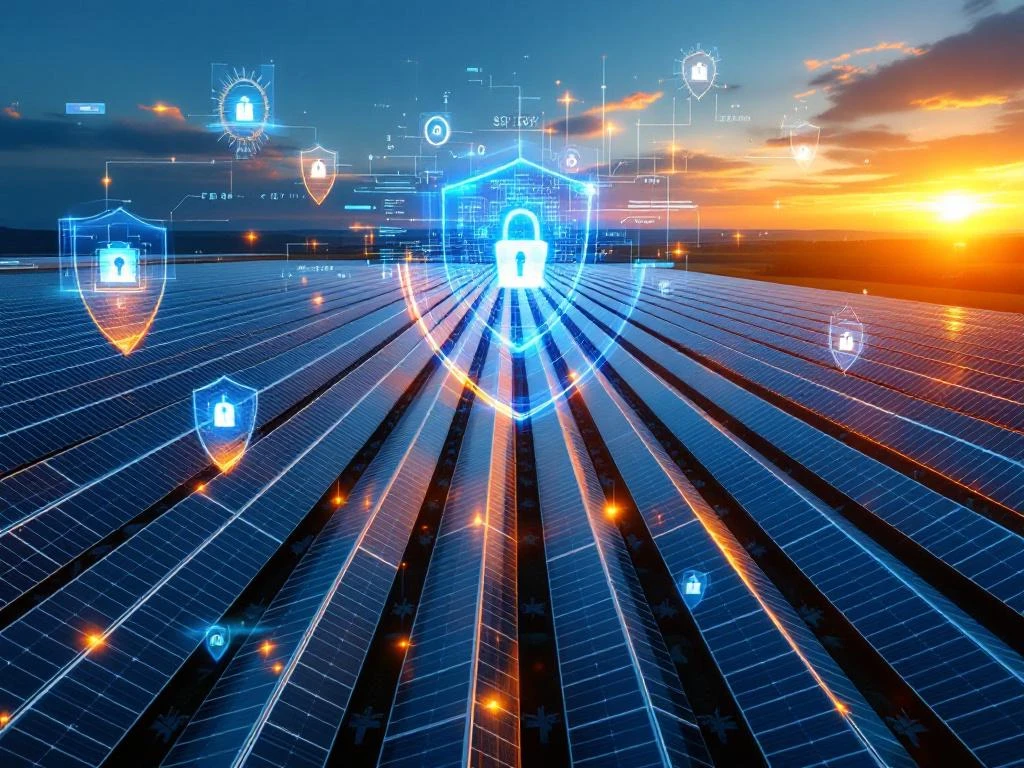
A cyber risk assessment for solar projects evaluates digital vulnerabilities in renewable energy systems, including IoT devices, monitoring systems, and grid connections. This systematic process identifies potential attack vectors, assesses security gaps, and develops protection strategies. Solar installations face unique cybersecurity challenges that require specialized assessment approaches to protect both operational systems and sensitive data.
What makes solar projects vulnerable to cyber attacks?
Solar projects contain multiple interconnected digital systems that create numerous entry points for cybercriminals. IoT devices, smart inverters, and remote monitoring systems often have weak security protocols and default passwords that attackers can exploit.
The distributed nature of solar installations makes them particularly vulnerable. Remote monitoring systems collect performance data and send it through networks that may lack proper encryption. Smart inverters communicate with grid systems, creating pathways that hackers can use to access broader energy infrastructure.
Many solar components were designed with functionality prioritized over security. Communication protocols between devices may use unencrypted channels, and firmware updates are not always implemented promptly. Grid connectivity requirements add another layer of complexity, as solar systems must interface with utility networks that have their own cybersecurity requirements.
Physical access to remote solar installations can also pose digital risks. Attackers who gain physical access to equipment can potentially install malicious software or hardware that compromises the entire system’s digital security.
How do you identify cyber risks in solar energy systems?
Start by mapping all digital assets in your solar installation, including inverters, monitoring systems, communication devices, and data storage systems. Document every connected device and its communication pathways to understand your complete digital footprint.
Evaluate your network architecture by examining how devices connect to each other and external systems. Identify data flows between components, noting what information travels where and how it is protected. Look for wireless connections, internet-connected devices, and any systems that communicate with external networks.
Assess access controls for all digital components. Check default passwords, user authentication methods, and administrative access procedures. Many solar systems ship with standard login credentials that are never changed, creating obvious security gaps.
Review software and firmware versions across all devices. Outdated systems often contain known vulnerabilities that attackers can exploit. Create an inventory of all software components and their update status to identify systems that need immediate attention.
Examine physical security around digital infrastructure. Consider how easily someone could access network equipment, control systems, or communication devices at your solar installation sites.
What are the most common cyber threats facing solar projects?
Ransomware attacks target solar operations by encrypting control systems and demanding payment for restoration. These attacks can shut down energy production and cause significant financial losses while systems remain offline.
Data breaches expose sensitive information, including system performance data, customer information, and operational details. Attackers may steal this information to sell on dark markets or use it for competitive intelligence.
System manipulation involves hackers gaining control of solar equipment to alter performance, damage components, or disrupt energy production. This can include changing inverter settings, manipulating monitoring data, or interfering with grid connections.
Grid disruption attempts use compromised solar systems as entry points to attack broader electrical infrastructure. Attackers may try to destabilize grid operations by coordinating attacks across multiple solar installations.
Insider threats come from employees, contractors, or partners with legitimate access who misuse their privileges. This might involve stealing sensitive data, sabotaging systems, or providing access to external attackers.
Supply chain attacks compromise solar equipment during manufacturing or distribution, embedding malicious code in devices before installation. These threats are particularly difficult to detect and can affect multiple installations using the same compromised components.
How do you evaluate the impact of potential cyber incidents?
Calculate financial impacts by estimating revenue losses from system downtime, repair costs, and potential regulatory fines. Consider both direct costs and long-term financial consequences, including increased insurance premiums and lost business opportunities.
Assess operational disruptions by determining how cyber incidents would affect energy production, maintenance schedules, and system monitoring capabilities. Consider backup systems and manual operation procedures that might mitigate some operational impacts.
Evaluate reputational damage that could result from security breaches, including loss of investor confidence, customer trust, and market credibility. Factor in potential media coverage and public perception impacts on your organization’s reputation.
Review regulatory compliance requirements and potential penalties for security incidents. Many jurisdictions have specific cybersecurity requirements for energy infrastructure, and violations can result in significant fines and operational restrictions.
Consider business continuity impacts, including supply chain disruptions, partner relationships, and contractual obligations. Cyber incidents can affect your ability to meet performance guarantees and contractual commitments to customers and partners.
Analyze cascading effects where initial cyber incidents trigger additional problems. For example, a monitoring system breach might prevent early detection of equipment failures, leading to more extensive physical damage and longer recovery times.
What tools and methods work best for solar cyber risk assessments?
Network scanning tools help identify all connected devices and assess their security configurations. Vulnerability scanners can detect known security flaws in solar system components and suggest remediation steps.
Penetration testing simulates real attacks to identify weaknesses that automated tools might miss. This hands-on approach reveals how attackers might chain together multiple vulnerabilities to compromise your systems.
Security frameworks such as NIST or IEC 62443 provide structured approaches to cybersecurity inspections and assessments. These frameworks offer standardized methodologies that ensure comprehensive evaluation of all security aspects.
Documentation tools help track assets, vulnerabilities, and remediation efforts. Maintain detailed inventories of all digital components, their security status, and planned improvements to manage risks effectively.
Monitoring systems provide ongoing visibility into network activity and potential security incidents. Real-time monitoring helps detect unusual behavior that might indicate cyber attacks in progress.
Risk assessment software can help quantify and prioritize cybersecurity risks based on likelihood and impact. These tools support decision-making by providing clear comparisons between different risk scenarios and mitigation options.
How Solarif helps with cyber risk assessments for solar projects
We provide comprehensive cybersecurity inspections and assessments specifically designed for renewable energy projects. Our expertise combines deep knowledge of solar technology with advanced cybersecurity assessment capabilities.
Our cyber risk assessment services include:
- Complete digital asset mapping and vulnerability identification across all solar system components
- Specialized penetration testing designed for renewable energy infrastructure
- Ongoing monitoring solutions that detect cyber threats in real time
- Comprehensive cyber insurance coverage that protects against financial losses from security incidents
- Expert guidance on implementing security improvements and maintaining compliance with industry standards
We understand that solar projects face unique cybersecurity challenges that generic IT security approaches cannot address. Our team combines renewable energy expertise with cybersecurity knowledge to provide tailored solutions that protect your investments while maintaining operational efficiency.
Protect your solar investments from cyber threats. Contact us today to schedule a comprehensive cyber risk assessment and discover how we can help secure your renewable energy projects against evolving digital threats.
Insurance and inspection needs for your BESS?
Contact us today if you want to know more about the possibilities in BESS insurance and Scope inspections.
📧 Email: support@solarif.com
☎️ Phone: +31 (0)26 711 5050