



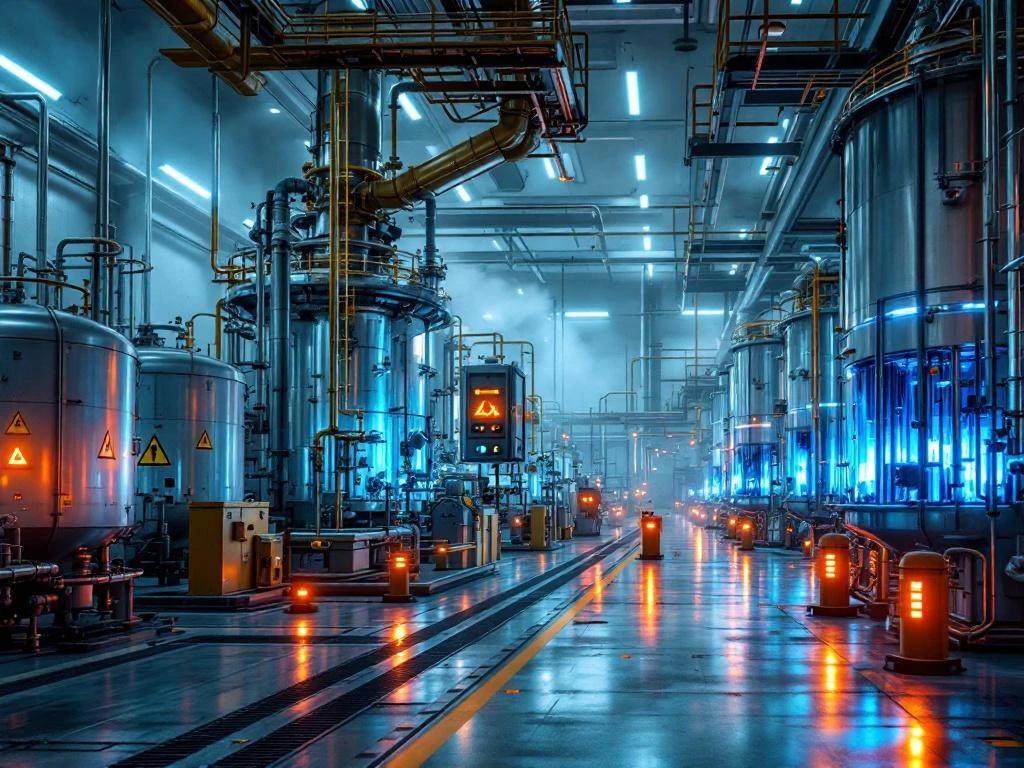
What are the safety risks of green hydrogen production?
Green hydrogen production presents unique safety risks that differ significantly from conventional hydrogen manufacturing. The electrolysis process involves high-voltage electrical systems, pressurized hydrogen gas, and specialized equipment that create specific hazards, including fire, explosion, electrical shock, and gas leakage risks. Understanding these dangers helps project developers implement proper safety protocols and risk management strategies.
What makes green hydrogen production different from traditional methods?
Green hydrogen production uses renewable electricity to power electrolysis, splitting water into hydrogen and oxygen through specialized electrolyzer equipment. Unlike traditional gray or blue hydrogen methods that rely on fossil fuel reforming, green hydrogen facilities operate large-scale electrical systems with voltages often exceeding 1000 V, creating distinct electrical hazards not present in conventional production.
The electrolysis process requires precise control of electrical current, water purity, and gas separation systems. These facilities typically feature multiple electrolyzer stacks, high-pressure compression equipment, and sophisticated monitoring systems. The combination of electricity, water, and pressurized gases creates safety challenges that require specialized training and equipment.
Traditional hydrogen production methods primarily involve chemical processes with established safety protocols. Green hydrogen facilities must address both electrical hazards and hydrogen-specific risks simultaneously, requiring integrated safety management approaches that cover electrical safety, gas handling, and emergency response procedures.
What are the main fire and explosion risks in green hydrogen facilities?
Hydrogen gas is extremely flammable, with a wide ignition range of 4–75% in air, making it more dangerous than natural gas or gasoline vapors. Green hydrogen facilities face heightened fire risks due to the combination of electrical equipment and hydrogen production, where electrical faults can provide ignition sources for hydrogen leaks.
The invisible nature of hydrogen flames compounds fire safety challenges. Hydrogen burns with a nearly invisible flame during daylight, making fire detection difficult without specialized equipment. Facilities require advanced flame detection systems that can identify hydrogen fires through heat signatures or ultraviolet sensors rather than visual confirmation.
Explosion risks occur when hydrogen accumulates in enclosed spaces and reaches concentrations within the flammable range. The gas’s low ignition energy means static electricity, electrical sparks, or hot surfaces can trigger explosions. Proper ventilation systems and gas detection equipment are vital for preventing dangerous accumulations in production areas, electrical rooms, and storage facilities.
How dangerous is hydrogen gas leakage during production?
Hydrogen gas leakage poses significant risks because the gas is colorless, odorless, and lighter than air, making detection challenging without specialized monitoring equipment. Small leaks can accumulate quickly in enclosed spaces, creating explosive atmospheres that pose serious safety threats to personnel and equipment.
The molecular structure of hydrogen allows it to escape through materials and seals that effectively contain other gases. This property means leakage can occur at connection points, valve seals, and even through certain materials over time. Regular leak detection surveys using specialized equipment are necessary to identify and address potential escape points.
While hydrogen itself is not toxic, leaks create asphyxiation risks in confined spaces by displacing oxygen. Large leaks can reduce oxygen levels below safe breathing limits, potentially causing unconsciousness or death. Proper ventilation systems and atmospheric monitoring help prevent dangerous oxygen depletion in work areas.
What electrical safety hazards exist in green hydrogen production?
Green hydrogen facilities operate high-voltage electrical systems, often exceeding 1000 V DC, creating serious electrocution and arc flash hazards for maintenance personnel and operators. The combination of high electrical loads and water-based electrolysis processes requires specialized electrical safety protocols and equipment.
Arc flash incidents can occur during electrical maintenance or equipment failures, producing intense heat and energy that can cause severe burns or death. The presence of hydrogen gas near electrical equipment increases arc flash dangers, as hydrogen ignition can compound electrical incidents. Proper personal protective equipment and safety procedures are necessary when working on energized systems.
DC electrical systems in electrolyzers present unique safety challenges compared to AC systems. DC arcs can be more difficult to extinguish and may persist longer than AC arcs. Additionally, the electrical isolation requirements for electrolysis systems create complex grounding and safety considerations that require specialized electrical expertise.
How do you safely store and transport green hydrogen?
High-pressure storage systems typically operate at 350–700 bar, creating significant mechanical hazards from potential pressure vessel failures or rapid gas releases. Storage tanks require regular inspection, pressure relief systems, and proper installation to prevent catastrophic failures that could cause injury or property damage.
Transportation of compressed hydrogen involves specialized equipment and handling procedures. Hydrogen’s tendency to embrittle certain metals over time means transport containers and piping systems require materials specifically designed for hydrogen service. Regular inspection and replacement schedules help prevent material failure during transport operations.
Emergency response procedures for hydrogen incidents differ from those for other industrial gases due to hydrogen’s unique properties. Fire suppression systems must account for hydrogen’s invisible flame and wide flammability range. Emergency responders need specialized training to safely handle hydrogen incidents, including proper approach techniques and detection equipment.
How Solarif helps with green hydrogen project safety
We provide comprehensive risk management and insurance solutions specifically designed for green hydrogen projects, helping you address the unique safety challenges of renewable hydrogen production. Our specialized services support project developers throughout the development and operational phases.
Our green hydrogen safety support includes:
- Risk assessments – Comprehensive evaluation of electrical, fire, and gas-related hazards specific to electrolysis facilities
- Safety inspections – Certified inspections of electrical systems, pressure vessels, and gas handling equipment
- Insurance solutions – Tailored coverage for green hydrogen production facilities and equipment
- Compliance support – Guidance on safety standards and regulatory requirements for hydrogen projects
- Emergency planning – Development of incident response procedures and safety protocols
Ready to secure your green hydrogen project with proper risk management? Contact our renewable energy specialists today for a comprehensive safety assessment and an insurance quote tailored to your specific facility requirements.
Insurance and inspection needs for your BESS?
Contact us today if you want to know more about the possibilities in BESS insurance and Scope inspections.
📧 Email: support@solarif.com
☎️ Phone: +31 (0)26 711 5050