



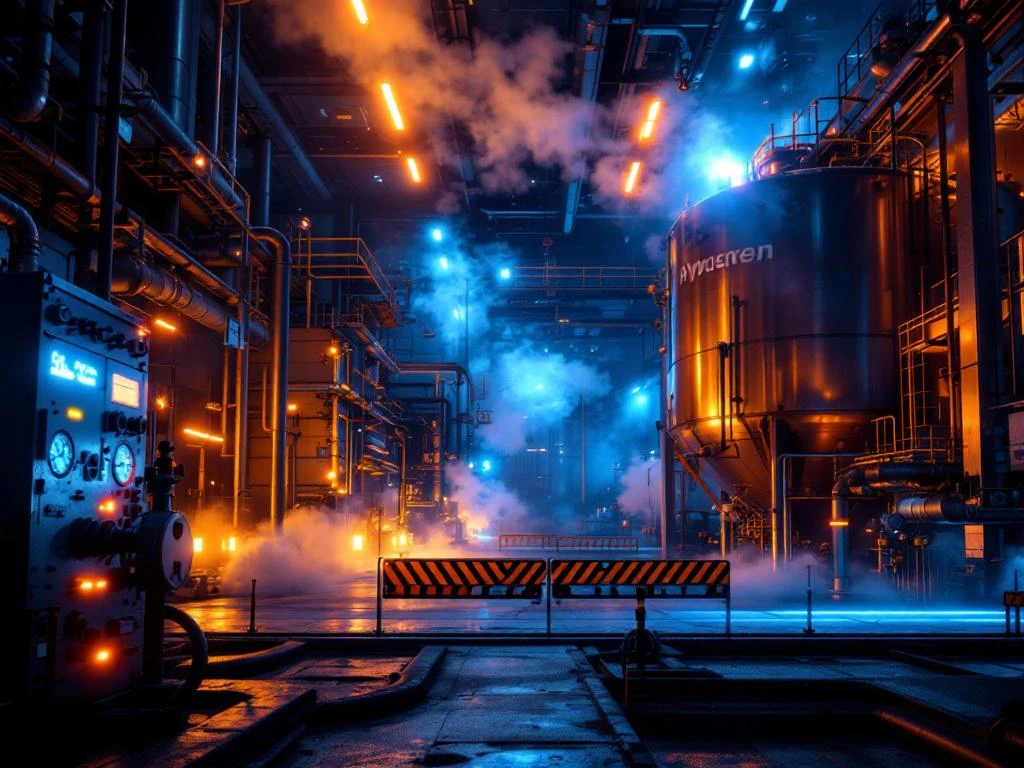
What are the hazards of hydrogen storage?
Hydrogen storage presents several significant hazards due to the unique properties of hydrogen gas. The primary dangers include fire and explosion risks from hydrogen’s high flammability, material degradation through hydrogen embrittlement, and challenges with leak detection. These hydrogen storage hazards require comprehensive safety measures and specialized inspection protocols to ensure safe operations in renewable energy storage systems.
What makes hydrogen storage potentially dangerous?
Hydrogen’s physical and chemical properties create unique safety challenges that make it more hazardous than many other gases. Hydrogen has an extremely wide flammability range of 4% to 75% in air, meaning it can ignite across a much broader concentration range than conventional fuels.
The gas requires minimal ignition energy— as little as 0.02 millijoules compared to 0.24 millijoules for gasoline vapor. This means static electricity or small sparks can easily ignite hydrogen. Additionally, hydrogen molecules are the smallest in existence, allowing them to leak through materials and seals that would effectively contain other gases.
Hydrogen burns with an invisible flame during daylight hours, making fire detection extremely difficult without proper equipment. The gas also tends to accumulate in enclosed spaces, particularly at ceiling level due to its low density, creating potentially explosive atmospheres in storage facilities.
What are the main fire and explosion risks with hydrogen storage?
Fire and explosion represent the most serious hydrogen storage dangers due to hydrogen’s combustion characteristics. When hydrogen ignites, it burns rapidly with a flame temperature exceeding 2,000°C, hot enough to damage most storage materials and surrounding infrastructure.
The wide flammability range means hydrogen can create explosive mixtures even at relatively low concentrations. In confined spaces, hydrogen can undergo rapid deflagration or even detonation, causing catastrophic pressure waves that can destroy storage vessels and buildings.
Hydrogen’s invisible flame poses additional risks during emergency response situations. Personnel may unknowingly walk into burning hydrogen and suffer severe burns. The high flame temperature can also cause rapid escalation of fires to nearby equipment or structures, making containment extremely challenging without immediate detection and response systems.
How does hydrogen affect storage materials and infrastructure?
Hydrogen embrittlement represents a critical long-term hazard that weakens storage materials over time. This process occurs when hydrogen atoms penetrate metal structures, causing microscopic cracks and significantly reducing the material’s strength and ductility.
Steel storage tanks and pipeline systems are particularly vulnerable to hydrogen embrittlement, which can lead to sudden catastrophic failures without warning. The embrittlement process accelerates under the high-pressure and high-temperature conditions typical of hydrogen storage systems.
Sealing systems face additional challenges, as hydrogen molecules can permeate rubber gaskets and polymer seals that effectively contain other gases. This permeation leads to gradual leaks that can accumulate to dangerous levels, while also reducing storage efficiency and requiring frequent maintenance of sealing components.
What safety measures prevent hydrogen storage accidents?
Comprehensive safety systems are required to manage hydrogen storage risks effectively. Gas detection systems must be installed throughout storage facilities, with sensors positioned at ceiling level, where hydrogen accumulates, and at potential leak points.
Ventilation systems must provide adequate air changes to prevent hydrogen accumulation, typically requiring mechanical ventilation rather than relying on natural airflow. Emergency shutdown systems should automatically isolate hydrogen supplies when leaks are detected.
Fire suppression systems need special consideration, since water can conduct electricity and spread electrolytes in some hydrogen storage applications. However, water remains the most effective cooling agent for managing hydrogen fires and preventing escalation.
Regular inspection protocols are vital for detecting material degradation before failures occur. Personnel training must cover hydrogen’s unique properties, emergency procedures, and the use of specialized detection equipment for invisible flames.
How do different hydrogen storage methods compare in terms of safety?
Compressed gas storage operates at high pressures (350–700 bar), creating risks of catastrophic vessel rupture and rapid gas release. However, this method allows for relatively straightforward leak detection and does not require cryogenic handling procedures.
Liquid hydrogen storage requires cryogenic temperatures (-253°C), adding risks of severe cold burns and material embrittlement from extreme cold. The boil-off gas creates additional fire and explosion hazards, requiring continuous venting systems and careful management of vapor clouds.
Solid-state storage methods, including metal hydrides, generally present lower immediate fire and explosion risks, since hydrogen is chemically bound. However, these systems may require heating for hydrogen release, creating different thermal management challenges and potential equipment failure modes.
Each storage method requires specific safety protocols, detection systems, and emergency response procedures tailored to its unique risk profile and operational characteristics.
How Solarif helps with hydrogen storage inspections
We provide specialized insurance solutions and inspection services for hydrogen and renewable energy storage projects. Our Risk Management services include factory inspections, batch inspections, and drone inspections to identify potential hazards in hydrogen storage systems.
Our services include:
- Specialized insurance coverage for hydrogen storage facilities and equipment
- Factory inspections and batch inspections to identify potential hazards before they become problems
- Drone inspections for comprehensive assessment of hydrogen storage facilities
- Regulatory compliance support to ensure adherence to evolving hydrogen safety standards
Ready to protect your hydrogen storage investment? Request an inspection to understand your specific hazards and receive a tailored insurance quote that covers the unique challenges of hydrogen storage systems. Solarif provides the specialized expertise needed to secure your renewable energy investments.
Insurance and inspection needs for your BESS?
Contact us today if you want to know more about the possibilities in BESS insurance and Scope inspections.
📧 Email: support@solarif.com
☎️ Phone: +31 (0)26 711 5050