



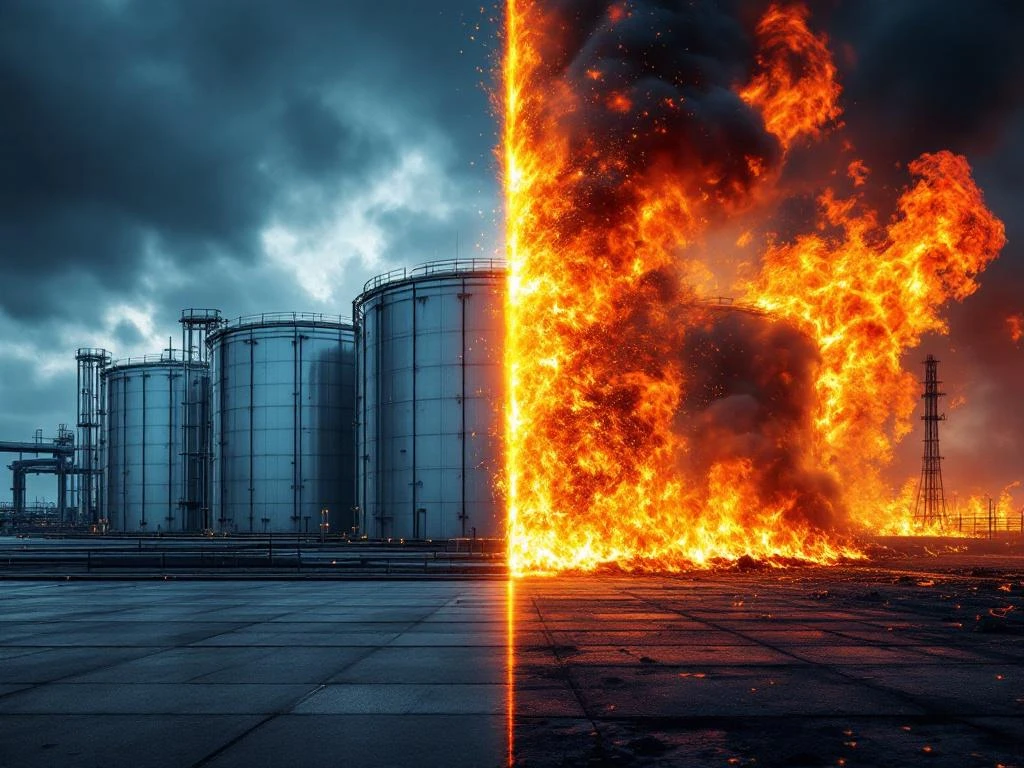
What is the fire risk of hydrogen storage facilities?
Hydrogen storage facilities present significant fire risks due to hydrogen’s unique combustible properties and behaviour. The gas has an extremely wide flammability range and requires minimal ignition energy, making fire prevention particularly challenging. Understanding these hydrogen storage fire risk factors helps facility operators implement appropriate inspection and assessment measures and comply with regulatory requirements for renewable energy storage risks.
What makes hydrogen storage facilities prone to fire risks?
Hydrogen’s molecular structure creates exceptional fire hazards that differ substantially from conventional fuels. The gas has a flammability range of 4% to 75% in air, meaning it can ignite across an unusually broad concentration spectrum. Its ignition energy requirement is remarkably low at just 0.02 millijoules, making accidental ignition highly probable.
The small molecular size of hydrogen creates additional challenges for leak detection and containment. Hydrogen molecules can escape through materials and seals that would contain other gases, leading to unexpected accumulation in confined spaces. This accumulation risk is particularly dangerous because hydrogen rises rapidly and can collect in roof spaces or other areas where detection systems might not monitor effectively.
Storage pressure levels compound these risks significantly. Most hydrogen facilities operate at high pressures to maximise storage efficiency, but this creates potential for rapid gas release during equipment failure. The combination of high pressure, low ignition energy, and wide flammability range makes hydrogen storage inherently more fire-prone than traditional fuel storage systems.
How do hydrogen fires differ from conventional fuel fires?
Hydrogen fires behave distinctly from traditional fuel fires, creating unique challenges for detection and suppression. Hydrogen flames burn nearly invisibly during daylight hours, producing only a faint blue colour that is difficult to see. This invisibility makes fire detection reliant on heat sensors rather than visual confirmation, potentially delaying response times.
The heat radiation patterns from hydrogen fires differ markedly from hydrocarbon fires. Hydrogen burns with less radiant heat but higher flame temperatures, creating intense localised heating rather than broad thermal radiation. This concentrated heat can cause rapid structural damage to nearby equipment and containment systems.
Burn rates for hydrogen fires are exceptionally fast, with flame speeds that can reach several metres per second under certain conditions. Traditional firefighting methods using foam or chemical suppressants prove ineffective because hydrogen fires do not produce the carbon-based combustion products these systems target. Water cooling remains the primary suppression method but requires careful application to avoid spreading electrolytes or creating additional hazards.
What safety systems prevent hydrogen storage fires?
Effective hydrogen facility safety systems rely on multiple detection technologies working together. Gas detection sensors must be positioned strategically to account for hydrogen’s rapid rise and accumulation patterns. These systems typically use catalytic or electrochemical sensors that can detect hydrogen concentrations well below the lower flammability limit of 4%.
Ventilation systems play a critical role in preventing dangerous accumulations. Forced ventilation systems must provide adequate air changes per hour to prevent hydrogen build-up, with emergency ventilation capabilities that activate automatically when gas detection systems trigger alarms. Natural ventilation alone rarely provides sufficient protection for enclosed storage areas.
Pressure relief mechanisms protect against catastrophic failure during overpressure events. These systems include pressure relief valves, rupture discs, and automated shutdown procedures that isolate storage systems when abnormal conditions occur. Modern facilities incorporate sophisticated monitoring systems that track pressure, temperature, and gas concentrations continuously, triggering protective actions before dangerous conditions develop.
Which factors increase fire risk in hydrogen storage operations?
Equipment maintenance issues create substantial fire risk increases in hydrogen facilities. Valve seals, pipe joints, and compression equipment require more frequent inspection and maintenance than conventional fuel systems due to hydrogen’s penetrating properties. Degraded seals or worn components can create leak points that accumulate over time.
Human error factors contribute significantly to operational risks. Maintenance procedures that do not account for hydrogen’s unique properties, improper isolation during equipment servicing, or inadequate purging procedures can create dangerous conditions. Training programmes must address hydrogen-specific safety requirements that differ from general industrial gas handling.
Environmental conditions affect hydrogen storage safety substantially. Temperature fluctuations cause pressure variations that stress containment systems, while humidity can affect detection equipment performance. Facility design considerations include adequate spacing between storage units, proper electrical grounding systems, and elimination of potential ignition sources within defined hazard zones around storage equipment.
How do regulations address hydrogen storage fire safety?
International safety standards provide comprehensive frameworks for hydrogen facility fire safety management. Standards such as ISO 19880 and NFPA 2 establish requirements for facility design, equipment specifications, and operational procedures. These standards mandate specific separation distances, ventilation requirements, and detection system capabilities based on storage quantities and pressure levels.
Building codes increasingly incorporate hydrogen-specific requirements that address fire safety concerns. These codes specify construction materials, electrical equipment ratings, and structural design requirements for areas where hydrogen is stored or handled. Inspection requirements typically mandate regular testing of safety systems, pressure vessel inspections, and gas detection system calibration.
Regulatory frameworks vary by jurisdiction but generally require comprehensive safety management systems for larger facilities. These systems must include emergency response procedures, personnel training requirements, and incident reporting protocols. Compliance measures often include third-party safety assessments and regular audits to verify ongoing adherence to safety standards.
How Solarif helps with hydrogen storage inspections
We specialise in comprehensive insurance solutions for hydrogen and renewable energy storage projects, understanding the unique risks these facilities present. Our expertise in energy storage safety measures allows us to provide tailored coverage that addresses the specific fire risks and operational challenges of hydrogen storage facilities.
Our Risk Management services for hydrogen storage facilities include:
- Scios Scope 12 inspections that evaluate facility safety systems and operational procedures
- Scios Scope 8 inspections for comprehensive facility assessments
- Scios Scope 10 inspections targeting specific equipment and system verification
- Factory inspections to ensure manufacturing quality and safety standards
- Batch inspections for quality control and compliance verification
- Drone inspections for efficient and safe facility monitoring
As an insurance broker with over 15 years of experience in renewable energy projects, we work with A-rated insurers who understand hydrogen storage risks. Our international network provides access to specialised coverage options that may not be available through standard commercial insurance channels.
Ready to protect your hydrogen storage investment? Contact our renewable energy insurance specialists at Solarif today for comprehensive inspections and a tailored insurance solution that addresses your facility’s specific fire safety and operational risks.
Insurance and inspection needs for your BESS?
Contact us today if you want to know more about the possibilities in BESS insurance and Scope inspections.
📧 Email: support@solarif.com
☎️ Phone: +31 (0)26 711 5050