



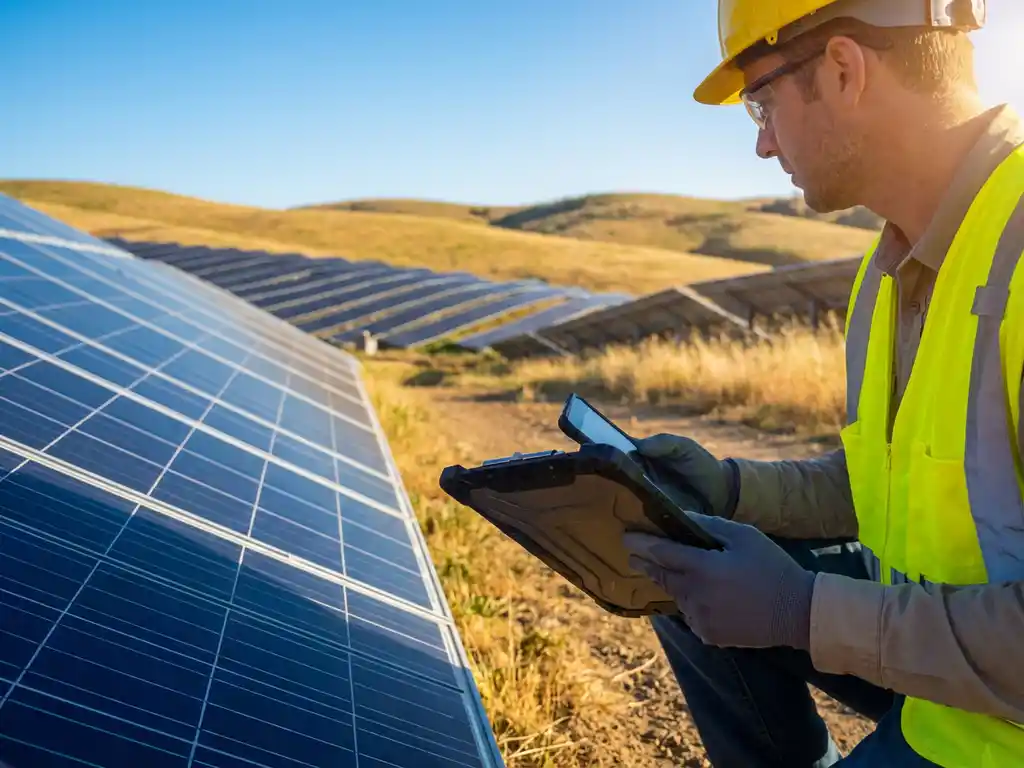
What are the key insurability requirements for solar farms?
Solar farms represent significant investments in renewable energy infrastructure, often worth millions of dollars and operating for decades. Before insurers provide coverage for these projects, they evaluate numerous factors to determine whether a solar installation meets their insurability requirements. Understanding these criteria is essential for developers, investors, and project owners who need comprehensive protection for their solar energy investments.
The path to securing solar farm insurance involves meeting specific technical, financial, and operational standards that demonstrate the project’s viability and risk profile. Insurers assess everything from equipment quality and installation practices to location-specific risks and the financial strength of project stakeholders.
What makes a solar farm insurable in the first place?
A solar farm becomes insurable when it demonstrates acceptable risk levels through proper design, high-quality equipment, professional installation, and compliance with industry standards. Insurers evaluate the overall risk profile by examining technical specifications, construction quality, operational procedures, and the financial stability of all involved parties.
The foundation of insurability rests on several key pillars. First, the solar installation must use certified equipment that meets international quality standards. This includes solar panels with appropriate certifications, inverters from reputable manufacturers, and mounting systems designed for local environmental conditions. Second, the project requires professional installation by qualified contractors with proven track records in solar construction.
Financial transparency also plays a crucial role in insurability. Project owners must demonstrate adequate capitalization, clear ownership structures, and realistic financial projections. Insurers want assurance that premiums will be paid consistently and that sufficient maintenance funding will be available throughout the project’s operational life.
Location factors significantly impact insurability as well. Solar farms in areas prone to extreme weather events, geological instability, or high crime rates face additional scrutiny. However, even challenging locations can achieve insurability through appropriate risk management measures and enhanced protective systems.
What types of insurance coverage do solar farms actually need?
Solar farms typically require multiple types of insurance coverage, including property insurance for physical assets, liability insurance for third-party claims, business interruption coverage for lost revenue, and specialized renewable energy policies that address unique solar industry risks.
Property insurance forms the cornerstone of solar farm protection, covering physical damage to panels, inverters, transformers, and other equipment from risks such as fire, theft, vandalism, and weather events. This coverage extends beyond basic replacement costs to include debris removal and expediting expenses that help restore operations quickly.
General liability insurance protects against third-party bodily injury and property damage claims. For solar farms, this might include coverage for accidents involving maintenance workers, damage to neighboring properties, or injuries to trespassers. Professional liability coverage may also be necessary for projects involving engineering, procurement, and construction services.
Business interruption insurance addresses revenue losses when the solar farm cannot operate due to covered damage. This coverage compensates for lost power purchase agreement payments and helps maintain debt service during repair periods. Some policies also include extra expense coverage for costs incurred to minimize business interruption.
Specialized renewable energy insurance products address solar-specific risks such as underperformance due to equipment defects, manufacturer insolvency, or gradual degradation beyond normal parameters. These policies often include coverage for testing, inspection, and commissioning activities essential to solar project development.
How do insurers assess solar farm risks before providing coverage?
Insurers assess solar farm risks through comprehensive evaluations that examine technical specifications, construction quality, operational procedures, financial stability, and location-specific hazards. This assessment process typically involves detailed documentation review, site inspections, and risk modeling to determine appropriate coverage terms and pricing.
The technical assessment begins with equipment evaluation. Insurers review manufacturer certifications, product warranties, and historical performance data for major components. They analyze system design specifications, electrical configurations, and safety systems to identify potential failure points or design weaknesses that could lead to claims.
Construction quality receives intensive scrutiny through documentation review and, often, physical inspections. Many insurers require Scope 12 inspections performed by certified professionals before providing coverage for commercial solar installations. These inspections verify that installations meet safety standards and function properly, reducing the likelihood of equipment failures or safety incidents.
Financial due diligence examines project economics, ownership structures, and stakeholder creditworthiness. Insurers want confidence that projects have adequate funding for ongoing operations and maintenance, which directly affects long-term risk exposure. They also evaluate power purchase agreements and revenue projections to understand business interruption exposure.
Environmental and location-specific risk assessment involves analyzing weather patterns, geological conditions, crime statistics, and proximity to potential hazards. Insurers use sophisticated modeling tools to predict the likelihood and severity of natural disasters, helping them price coverage appropriately for each location’s unique risk profile.
What technical standards must solar farms meet for insurance approval?
Solar farms must meet specific technical standards, including equipment certifications from recognized testing laboratories, compliance with local electrical codes, proper grounding and safety systems, and installation in accordance with manufacturer specifications and industry best practices.
Equipment certification requirements typically include IEC standards for solar panels, UL listings for electrical components, and compliance with local electrical codes and building standards. Insurers often specify minimum quality thresholds for major components, requiring panels from Tier 1 manufacturers or inverters with proven reliability records.
Installation standards encompass proper mounting system design for local wind and snow loads, appropriate electrical configurations that minimize fire risks, and adequate spacing between equipment for maintenance access and fire prevention. Grounding systems must meet electrical safety requirements, and all installations should include appropriate surge protection devices.
Safety systems represent another critical technical requirement. This includes proper fencing and security measures, appropriate warning signage, emergency shutdown capabilities, and fire suppression systems where required. Some insurers mandate specific safety features such as arc-fault detection systems or rapid shutdown devices for enhanced protection.
Documentation requirements include as-built drawings, commissioning reports, equipment warranties, and maintenance procedures. Insurers want assurance that systems are properly documented and that qualified personnel will maintain them according to manufacturer recommendations throughout their operational life.
How do location and environmental factors affect solar farm insurability?
Location and environmental factors significantly affect solar farm insurability through exposure to natural disasters, climate conditions, geological stability, and local infrastructure quality. Insurers adjust coverage terms and pricing based on site-specific risk assessments that evaluate these environmental variables.
Natural disaster exposure represents the most significant location-based risk factor. Solar farms in hurricane-prone coastal areas, tornado alleys, or regions with frequent hailstorms face higher insurance costs and may require enhanced protective measures. Earthquake zones present additional challenges, requiring specialized mounting systems and structural engineering considerations.
Climate conditions affect both equipment performance and degradation rates. Extreme temperatures, high humidity, salt-air exposure, and UV intensity all influence long-term equipment reliability. Insurers consider these factors when evaluating potential claim frequency and equipment replacement costs over the policy period.
Geological factors, including soil stability, drainage characteristics, and flood risk, affect foundation design requirements and long-term structural integrity. Poor soil conditions may necessitate enhanced foundation systems, while flood-prone areas require elevated installations or improved drainage systems.
Local infrastructure quality affects project accessibility for maintenance and emergency response. Remote locations with poor road access or limited emergency services may face coverage restrictions or require additional safety measures. Proximity to electrical grid infrastructure also influences business interruption risk assessment.
What financial requirements do solar farm owners need to meet?
Solar farm owners must demonstrate adequate capitalization, maintain minimum credit ratings or financial reserves, provide detailed financial projections, and show sufficient liquidity for ongoing operations and maintenance costs. These requirements ensure long-term project viability and the ability to pay insurance premiums consistently.
Capitalization requirements vary by project size but typically include minimum equity contributions and debt-to-equity ratios that demonstrate financial stability. Insurers want assurance that projects have sufficient funding not only for construction but also for unexpected repairs, maintenance, and debt service throughout their operational life.
Credit requirements may include minimum credit ratings for project sponsors or parent companies, particularly for large utility-scale installations. Smaller projects might satisfy this requirement through cash reserves, letters of credit, or guarantees from financially stable entities.
Financial projections must demonstrate realistic revenue expectations based on verified solar resource assessments and confirmed power purchase agreements. Insurers evaluate these projections against industry benchmarks and local market conditions to assess business interruption exposure and overall project viability.
Operational funding requirements ensure adequate resources for ongoing maintenance, monitoring, and repairs. This includes reserves for major component replacements, regular maintenance activities, and emergency repairs that maintain optimal system performance throughout the project’s operational life.
How Solarif helps with solar farm insurability requirements
As a specialized insurance broker for renewable energy projects, Solarif helps solar farm owners navigate complex insurability requirements and secure comprehensive coverage that protects their investments. With over 15 years of experience and more than 3.8 GW of insured capacity, we understand exactly what insurers require and how to present projects in the most favorable light.
Our comprehensive approach includes:
- Conducting pre-insurance risk assessments to identify potential insurability issues before they become problems
- Coordinating Scope 12 inspections through our certified inspectors to meet insurer requirements
- Providing Solarif-certified equipment certification that enhances project insurability and reduces premiums
- Structuring customized insurance programs that address specific project risks and requirements
- Leveraging our global network through Uniba Partners to access specialized coverage for international projects
Ready to ensure your solar farm meets all insurability requirements and secure the protection your investment deserves? Contact our renewable energy insurance experts today for a comprehensive risk assessment and a customized insurance solution.
Insurance and inspection needs for your BESS?
Contact us today if you want to know more about the possibilities in BESS insurance and Scope inspections.
📧 Email: support@solarif.com
☎️ Phone: +31 (0)26 711 5050