



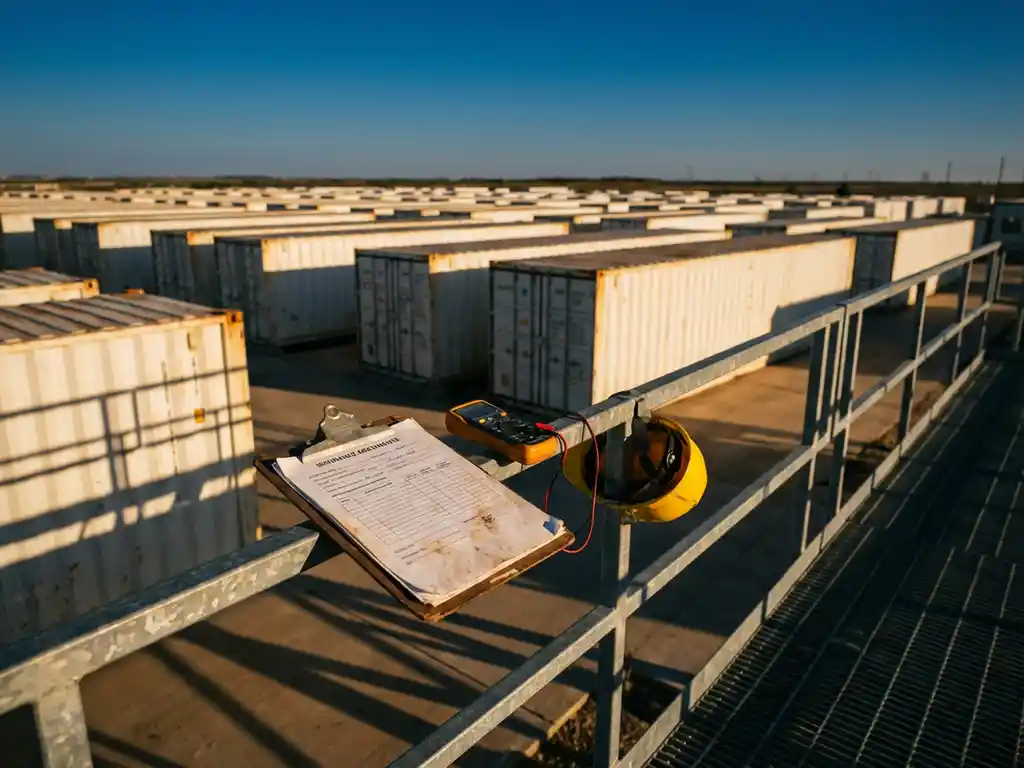
What is BESS project insurability and why does it matter?
Battery Energy Storage Systems (BESS) are rapidly becoming essential infrastructure for renewable energy projects, but their complexity creates unique insurance challenges. As these large-scale battery installations grow in both size and importance, understanding BESS project insurability has become crucial for developers, investors, and stakeholders across the energy storage sector.
Unlike traditional solar installations, BESS projects involve sophisticated electrochemical systems with distinct risk profiles that require specialized insurance solutions. The insurability of these projects directly affects their financial viability, making it essential to understand what insurers look for and how to structure coverage effectively.
What is BESS project insurability?
BESS project insurability refers to a battery energy storage project’s ability to obtain comprehensive insurance coverage at commercially viable rates. This involves insurers evaluating the project’s technical design, safety systems, operational procedures, and risk-mitigation measures to determine coverage terms and premium pricing.
Insurability encompasses multiple factors that insurers assess when underwriting BESS projects. The technical specifications of the battery system—including the type of battery chemistry used, thermal management systems, and safety protocols—form the foundation of this assessment. Lithium-ion systems, which dominate the market, present specific considerations related to thermal runaway risk that insurers scrutinize carefully.
Location and environmental factors also play a significant role in insurability. Projects in areas prone to extreme weather events, seismic activity, or flooding face additional scrutiny. The quality of installation, commissioning procedures, and ongoing maintenance protocols further influence how insurers view a BESS project’s risk profile.
What are the main risks in BESS projects that require insurance?
The primary risks in BESS projects include thermal runaway leading to fire or explosion, equipment failure causing operational downtime, and environmental hazards from battery materials. These risks can result in significant property damage, business interruption, and potential liability exposure, all of which require comprehensive insurance coverage.
Thermal runaway represents the most significant concern for BESS insurers. This occurs when battery cells overheat and enter a self-sustaining reaction that can spread to adjacent cells, potentially causing fires or explosions. The risk is heightened by factors such as manufacturing defects, physical damage, overcharging, or extreme temperatures. Modern BESS installations incorporate sophisticated thermal management and fire-suppression systems to mitigate these risks.
Equipment failure and performance degradation pose substantial financial risks through lost revenue and replacement costs. Battery systems are complex installations with multiple components, including inverters, transformers, and control systems, that can malfunction. Performance degradation over time can also affect project economics, though this is typically addressed through performance warranties rather than traditional insurance.
Cybersecurity risks have become increasingly important as BESS projects rely heavily on digital control systems. Malicious attacks could disrupt operations, damage equipment, or compromise grid stability. Environmental risks include potential contamination from battery materials and the challenges of managing water-based fire-suppression systems, which can exacerbate electrical fires.
How do insurers assess BESS project risk?
Insurers assess BESS project risk through comprehensive technical due diligence that examines battery technology, safety systems, installation quality, and operational procedures. This assessment typically involves specialized engineering consultants who evaluate the project’s design documents, safety protocols, and compliance with industry standards.
The risk assessment process begins with evaluating the battery technology and chemistry being used. Lithium iron phosphate (LFP) batteries are generally viewed more favorably than other lithium-ion chemistries due to their superior thermal stability. Insurers also examine Battery Management System (BMS) capabilities, including cell monitoring, balancing functions, and emergency shutdown procedures.
Fire-suppression and thermal management systems receive particular attention during the assessment. Insurers look for comprehensive fire-detection systems, appropriate suppression methods, and adequate spacing between battery containers or modules. The presence of thermal barriers and ventilation systems that can prevent fire spread are key factors in risk evaluation.
Installation quality and commissioning procedures are scrutinized through documentation review and, in some cases, on-site inspections. Insurers want to see evidence of proper installation practices, thorough testing protocols, and compliance with relevant safety standards. The experience and qualifications of the installation team and ongoing maintenance providers also factor into the risk assessment.
What types of insurance coverage do BESS projects need?
BESS projects typically require property insurance, business interruption coverage, general liability protection, and specialized technology insurance. This comprehensive coverage package protects against physical damage, operational losses, third-party claims, and technology-specific risks inherent in battery storage systems.
Property insurance forms the foundation of BESS coverage, protecting against physical damage to the battery systems, associated equipment, and infrastructure. This includes coverage for fire, explosion, weather damage, and equipment breakdown. Given the high value of battery installations, adequate coverage limits are essential to ensure full replacement-cost protection.
Business interruption insurance protects against lost revenue when the BESS cannot operate due to covered damage. This coverage is particularly important for projects that generate revenue through energy arbitrage, frequency regulation services, or capacity payments. The coverage should account for the time needed to source replacement equipment, which can involve significant lead times for specialized battery components.
General liability insurance protects against third-party bodily injury and property damage claims that could arise from BESS operations. This includes potential claims related to fire spread to neighboring properties or grid disturbances caused by system malfunctions. Professional liability coverage may also be needed for projects that provide grid services or energy management functions.
Specialized technology insurance addresses risks unique to battery storage systems, including cyber liability coverage for digital control systems and environmental liability for potential contamination from battery materials. Some insurers offer integrated policies that combine multiple coverage types specifically designed for energy storage projects.
Why does BESS insurability matter for project financing?
BESS insurability is critical for project financing because lenders require comprehensive insurance coverage to protect their investment, and insurance costs directly affect project economics. Projects that cannot obtain adequate insurance coverage at reasonable rates may struggle to secure financing or achieve target returns for investors.
Lenders view insurance as essential risk mitigation for BESS projects given the significant capital investment and potential for catastrophic losses. Loan agreements typically specify minimum insurance requirements, including coverage types, limits, and acceptable insurer ratings. Projects that cannot meet these requirements may face financing challenges or higher borrowing costs.
Insurance premiums represent a significant operating expense that affects project profitability throughout its operational life. Projects with favorable risk profiles can secure lower premiums, improving overall project returns. Conversely, projects viewed as high risk may face prohibitive insurance costs that make the project financially unviable.
The availability of insurance also signals market confidence in the technology and project execution. Projects that struggle to obtain coverage may face additional scrutiny from investors and lenders, potentially affecting other aspects of project financing, such as debt terms or equity requirements.
How can developers improve BESS project insurability?
Developers can improve BESS project insurability by selecting proven battery technologies, implementing comprehensive safety systems, engaging experienced contractors, and maintaining detailed documentation of all safety and quality measures. Early engagement with insurance brokers and underwriters can also help identify and address potential concerns before they affect coverage availability or pricing.
Technology selection plays a crucial role in insurability. Choosing battery systems from established manufacturers with strong track records and comprehensive warranties can significantly improve insurer confidence. LFP battery chemistry is generally preferred by insurers due to its thermal stability characteristics. Developers should also ensure that all components meet relevant safety standards and certifications.
Safety system design should exceed minimum requirements to demonstrate a commitment to risk management. This includes robust fire detection and suppression systems, thermal management capabilities, and emergency response procedures. Physical security measures such as perimeter fencing and access controls also contribute to a favorable risk assessment.
Engaging qualified contractors and consultants with demonstrated BESS experience is essential. Insurers look favorably on projects involving experienced engineering, procurement, and construction (EPC) contractors who understand the unique requirements of battery storage installations. Proper commissioning and testing protocols should be documented and executed by qualified personnel.
Comprehensive documentation throughout the project lifecycle supports favorable insurance terms. This includes design specifications, safety analyses, installation procedures, testing results, and maintenance protocols. Regular third-party inspections and certifications can provide additional assurance to insurers regarding ongoing project safety and performance.
How Solarif helps with BESS project insurance
As specialist insurance brokers for renewable energy projects, we provide comprehensive BESS insurance solutions that address the unique risks and requirements of battery storage installations. Our deep understanding of both insurance markets and energy storage technology enables us to secure optimal coverage terms for BESS projects across all development stages.
Our BESS insurance services include:
- Risk assessment and mitigation strategy development tailored to battery storage technologies
- Access to specialized insurers with an appetite for energy storage risks
- Comprehensive coverage design, including property, business interruption, and liability protection
- Technical due diligence support to identify and address insurability concerns early in project development
- Ongoing claims management and policy optimization throughout the project lifecycle
With over 15 years of experience in renewable energy insurance and risk management, we understand the evolving landscape of BESS technology and insurance markets. Our expertise helps developers navigate the complexities of energy storage insurance while securing coverage that supports successful project financing and operations.
Ready to secure comprehensive insurance coverage for your BESS project? Contact our renewable energy insurance specialists today to discuss your specific requirements and receive a tailored insurance solution.
Insurance and inspection needs for your BESS?
Contact us today if you want to know more about the possibilities in BESS insurance and Scope inspections.
📧 Email: support@solarif.com
☎️ Phone: +31 (0)26 711 5050