



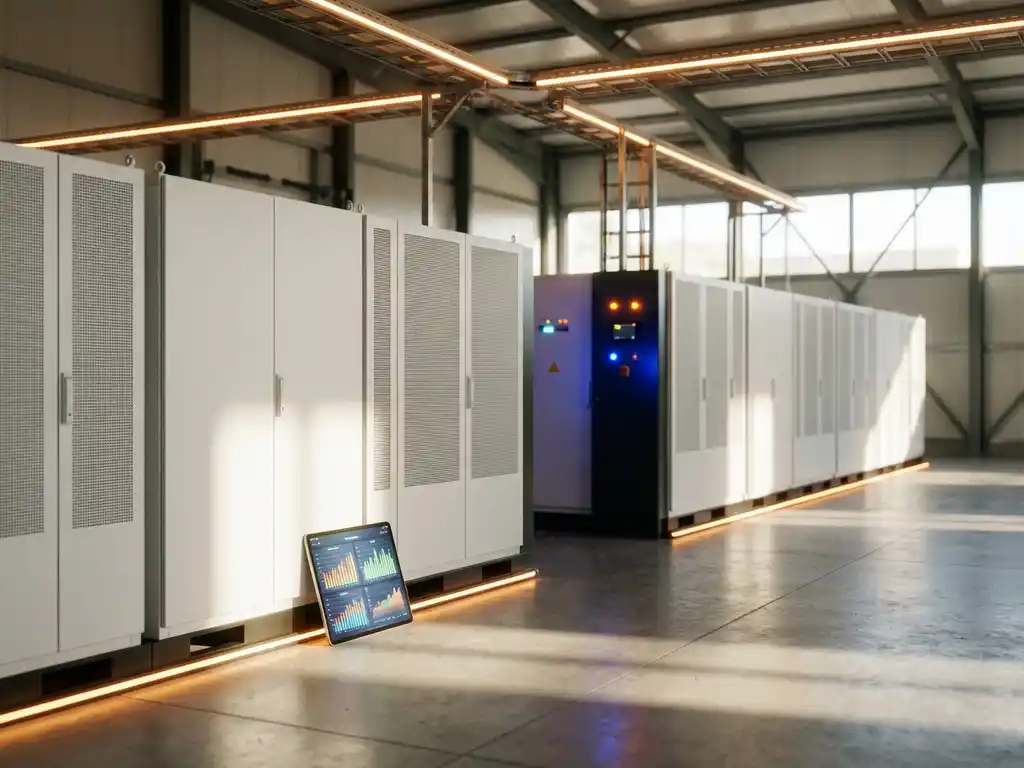
What operational data do insurers need for BESS coverage?
Battery Energy Storage Systems (BESS) represent a critical infrastructure investment that requires comprehensive insurance coverage to protect against operational risks and financial losses. As these complex systems become increasingly prevalent in renewable energy projects, insurers have developed specific data requirements to accurately assess risk and determine appropriate coverage terms.
Understanding what operational data insurers need for BESS coverage is essential for project developers, operators, and investors seeking to secure adequate protection for their energy storage investments. The right documentation not only facilitates insurance approval but can also significantly influence premium rates and coverage terms.
What Operational Data Do Insurers Require for BESS Coverage?
Insurers require comprehensive operational data, including real-time monitoring metrics, system performance records, safety protocol documentation, and maintenance logs, to accurately assess BESS risk profiles. This data helps insurers understand the system’s operational stability, safety measures, and potential failure points.
The core operational data requirements typically include detailed Battery Management System (BMS) logs that track cell voltage, current, temperature, and state of charge across all battery modules. Insurers need access to historical performance data showing charge and discharge cycles, efficiency rates, and any anomalies or system faults that have occurred during operation.
Energy Management System (EMS) data forms another crucial component, providing insights into how the BESS responds to grid signals, manages energy arbitrage operations, and handles peak-shaving functions. This includes documentation of response times, frequency regulation performance, and any instances in which the system failed to meet contractual obligations.
Fire suppression and safety system logs are equally important, particularly given the thermal runaway risks associated with lithium-ion batteries. Insurers require detailed records of fire detection system tests, suppression system activations, and environmental monitoring data, including temperature and gas-detection readings.
How Do Performance Metrics Impact BESS Insurance Premiums?
Performance metrics directly influence BESS insurance premiums, with systems demonstrating consistent efficiency rates, minimal downtime, and strong safety records typically qualifying for lower premiums. Insurers use these metrics to calculate the probability of claims and adjust pricing accordingly.
Round-trip efficiency measurements play a significant role in premium calculations. Systems that consistently achieve efficiency rates above 85% indicate well-maintained equipment and proper operational management, which translates to lower risk profiles. Conversely, declining efficiency trends may signal potential equipment degradation that could lead to future claims.
Availability and uptime statistics provide insurers with clear indicators of system reliability. BESS installations with uptime rates exceeding 95% demonstrate robust maintenance practices and high-quality equipment—factors that insurers reward with more favorable premium structures. Systems with frequent outages or extended downtime face higher premiums due to increased business interruption risk.
Cycle count and depth-of-discharge data help insurers assess battery degradation patterns and remaining useful life. Systems operating within manufacturer-recommended parameters and showing gradual, predictable capacity fade receive more favorable premium treatment than those exhibiting erratic performance or accelerated degradation.
What Safety and Monitoring Data Must Be Tracked for Insurance?
Essential safety and monitoring data for BESS insurance includes thermal monitoring records, gas-detection logs, fire suppression system status, and emergency response documentation. This data demonstrates that the system operates within safe parameters and has adequate protection against thermal runaway events.
Thermal monitoring is the most critical safety data category, requiring continuous temperature tracking at the cell, module, and ambient levels. Insurers expect detailed logs showing temperature distributions, any excursions beyond normal operating ranges, and cooling system performance data. This information helps assess the risk of thermal runaway, which remains the primary safety concern for battery storage systems.
Gas detection and air-quality monitoring data provide early warning indicators of potential battery failures. Systems equipped with hydrogen, carbon monoxide, and other gas sensors must maintain detailed logs of detection events, alarm activations, and response actions taken. This data demonstrates proactive safety management and early intervention capabilities.
Fire suppression system documentation must include regular testing records, maintenance logs, and any activation events. Whether using water-based, gas-based, or specialized suppression systems, insurers require proof that these critical safety systems function properly and receive appropriate maintenance.
Which Environmental Factors Affect BESS Insurance Requirements?
Environmental factors that significantly affect BESS insurance requirements include ambient temperature ranges, humidity levels, seismic activity, flood risk, and exposure to extreme weather. These factors influence both system performance and safety risks, directly impacting insurance coverage terms and requirements.
Temperature extremes pose particular challenges for battery storage systems, with both high and low temperatures affecting performance and safety. Installations in regions with extreme heat require enhanced cooling systems and more frequent monitoring, while cold-climate installations need heating systems and cold-weather operational protocols. Insurers adjust coverage requirements based on local climate data and seasonal temperature variations.
Humidity and moisture exposure create risks for electrical components and can accelerate corrosion in battery systems. Coastal installations or those in high-humidity environments typically face stricter environmental monitoring requirements and may need additional protective measures, such as enhanced enclosures or dehumidification systems.
Natural disaster exposure significantly influences insurance requirements, with systems in earthquake-prone areas requiring seismic monitoring and structural assessments. Flood-prone locations need elevated installations and water-intrusion protection, while areas subject to severe weather require enhanced structural protection and emergency shutdown procedures.
How Should BESS Operators Document Maintenance and Inspections?
BESS operators should maintain comprehensive documentation, including scheduled maintenance logs, inspection reports, component replacement records, and corrective action documentation. This systematic approach demonstrates proper asset management and helps insurers assess long-term operational risks.
Preventive maintenance documentation must include detailed schedules, completion records, and any deviations from manufacturer recommendations. This includes battery cell balancing procedures, cooling system maintenance, electrical connection inspections, and software updates. Insurers particularly value documentation showing adherence to original equipment manufacturer (OEM) maintenance protocols.
Inspection records should encompass both routine operational checks and formal safety inspections. While Scope 12 inspections are not legally required for BESS installations, many insurers mandate these comprehensive safety assessments for commercial energy storage projects. These inspections provide independent verification of system safety and operational integrity.
Component replacement and upgrade documentation helps insurers track system evolution and assess remaining equipment life. This includes battery module replacements, inverter upgrades, and safety system enhancements. Detailed records of why components were replaced and what performance improvements were achieved provide valuable risk management assessment data.
Corrective action documentation demonstrates responsive operational management. When issues arise, operators should document the problem identification process, root cause analysis, corrective measures implemented, and verification of resolution. This systematic approach to problem-solving indicates mature operational practices that insurers favor.
How Solarif Helps with BESS Insurance Coverage
As a specialized insurance broker for renewable energy projects, Solarif understands the complex data requirements insurers demand for BESS coverage. With over 15 years of experience in the renewable energy sector and 521 Scope 12 inspections completed, we help BESS operators navigate insurance requirements effectively.
Our comprehensive approach includes:
- Pre-insurance risk assessments to identify data gaps and operational improvements
- Guidance on establishing proper monitoring and documentation systems
- Coordination with certified inspection services for safety compliance
- Access to specialized insurers familiar with BESS technology and risks
- Ongoing support for claims management and risk mitigation strategies
We work closely with BESS operators to ensure their operational data meets insurer requirements while optimizing premium rates through demonstrated risk management excellence. Our international network of A-rated insurers and technical expertise in energy storage systems position us to secure comprehensive coverage for your BESS investments. Contact our renewable energy insurance experts today to discuss your BESS coverage requirements and develop a tailored insurance strategy.
Insurance and inspection needs for your BESS?
Contact us today if you want to know more about the possibilities in BESS insurance and Scope inspections.
📧 Email: support@solarif.com
☎️ Phone: +31 (0)26 711 5050