



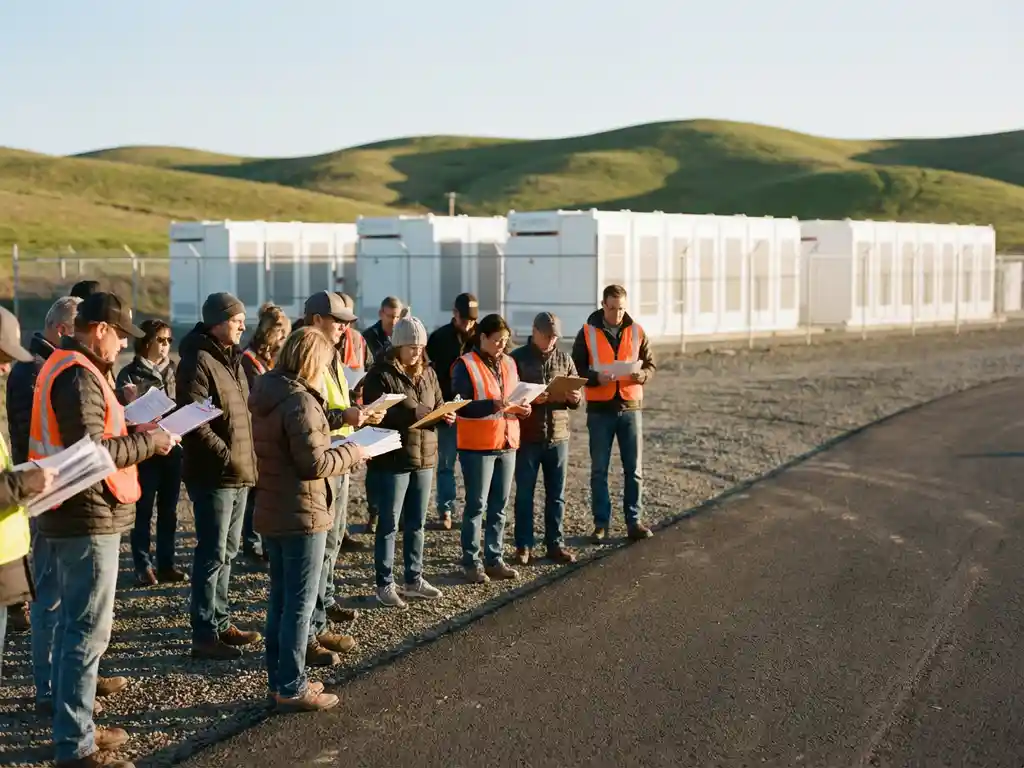
Can community opposition affect BESS project insurance?
Battery Energy Storage Systems (BESS) are transforming the renewable energy landscape by offering crucial grid stability and energy arbitrage opportunities. However, these large-scale installations often face significant community opposition that can affect project viability and insurance coverage. Understanding how community resistance affects BESS project insurance is essential for developers, investors, and project managers navigating this complex landscape.
Community opposition to BESS projects can manifest through protests, legal challenges, regulatory delays, and local policy changes. These factors create additional risks that insurers must carefully evaluate when determining coverage terms and premiums for battery energy storage projects.
What is community opposition in BESS projects?
Community opposition in BESS projects refers to local resistance from residents, community groups, or municipal authorities to proposed battery energy storage installations. This opposition typically stems from safety concerns about fire risks, noise pollution, impacts on property values, and visual disruption to neighborhoods.
The most common forms of community opposition include public protests at town hall meetings, petitions against project approval, legal challenges to zoning permits, and lobbying for restrictive local ordinances. Safety concerns dominate community discussions, particularly regarding thermal runaway risks and the potential for battery fires that could spread to nearby properties.
Community resistance often intensifies when BESS projects are proposed near residential areas, schools, or hospitals. Residents frequently cite concerns about electromagnetic fields, truck traffic during construction, and the long-term environmental impact of large battery installations. These concerns can delay project timelines significantly, sometimes by months or even years.
How does community resistance affect BESS insurance premiums?
Community resistance directly increases BESS insurance premiums by elevating project risk profiles and extending development timelines. Insurers view community opposition as a significant risk factor that can lead to project delays, cost overruns, and potential cancellation, resulting in premium increases of 15% to 30% for projects facing substantial local resistance.
Projects experiencing community opposition face higher construction delay risks, which translates into increased delay-in-start-up coverage costs. Insurers must account for extended construction periods, potential design modifications to address community concerns, and the possibility of project relocation. These factors directly affect premium calculations for both the construction and operational phases.
Reputational risk associated with community opposition also influences premium pricing. Projects that generate negative media attention or become focal points for anti-BESS sentiment can face additional scrutiny from insurers. Some insurers may require enhanced safety measures or documentation of community engagement before providing coverage, adding to overall project costs.
What insurance coverage gaps emerge from community opposition?
Community opposition creates specific coverage gaps in BESS insurance policies, particularly around political risk, regulatory changes, and reputational damage. Standard property and liability policies typically exclude losses resulting from changes in local regulations or permit revocations driven by community pressure, leaving developers exposed to significant financial risks.
Political risk coverage becomes crucial when community opposition leads to regulatory changes or permit withdrawals. Traditional BESS insurance policies may not cover losses from zoning changes, environmental permit revocations, or new safety requirements imposed by local authorities responding to community pressure. This gap can leave projects vulnerable to substantial financial losses.
Business interruption coverage may also have limitations when delays result from community opposition rather than physical damage. Insurers often exclude coverage for delays caused by regulatory changes or public opposition, creating a significant protection gap for BESS developers. Additionally, coverage for legal defense costs related to community challenges may be limited or excluded entirely.
How do insurers assess community opposition risks?
Insurers assess community opposition risks through comprehensive due diligence processes that evaluate local sentiment, the regulatory environment, and stakeholder engagement history. This assessment includes reviewing public meeting records, media coverage, social media sentiment, and the track record of local authorities in supporting or opposing renewable energy projects.
The evaluation process typically examines the developer’s community engagement strategy, including public consultation efforts, environmental impact assessments, and safety communication plans. Insurers look for evidence of proactive community outreach, transparent communication about project benefits, and a willingness to address legitimate community concerns through design modifications.
Insurers also analyze the regulatory stability of the project location by examining historical patterns of permit approvals, the local political climate, and existing renewable energy policies. Projects in areas with established renewable energy support and clear regulatory frameworks generally receive more favorable risk assessments than those in jurisdictions with inconsistent or hostile regulatory environments.
What strategies reduce the insurance impacts of community opposition?
Effective community engagement strategies significantly reduce insurance impacts by demonstrating proactive risk management and stakeholder buy-in. Early and transparent communication with local communities, comprehensive safety education programs, and genuine consideration of community concerns can lower insurance premiums by 10% to 25% compared to projects with minimal engagement.
Implementing enhanced safety measures beyond minimum requirements helps address community concerns while improving insurance terms. This includes advanced fire suppression systems, thermal runaway prevention technology, and comprehensive emergency response planning developed in coordination with local fire departments. These measures demonstrate a commitment to community safety and reduce insurer risk exposure.
Securing community benefit agreements or local investment partnerships can transform opposition into support while improving insurance profiles. Projects that provide local employment, community development funds, or direct energy benefits to residents typically face less opposition and receive more favorable insurance terms. Documentation of these agreements strengthens the project’s risk profile during insurance underwriting.
When should BESS developers involve insurance brokers in community issues?
BESS developers should involve insurance brokers in community issues from the earliest project development stages, ideally during the initial site selection and community assessment phases. Early broker involvement ensures that community engagement strategies align with insurance requirements and helps identify potential coverage gaps before they become costly problems.
Insurance brokers should be consulted immediately when community opposition emerges or intensifies. Brokers can provide guidance on documentation requirements, help assess the insurance implications of proposed design changes, and coordinate with insurers to maintain coverage during project modifications. Their expertise in risk assessment can also inform community engagement strategies.
Critical involvement points include permit application phases, public hearing processes, and any regulatory challenges. Brokers can help developers understand how community opposition might affect existing coverage and what additional protections may be necessary. They can also facilitate communication with insurers about project modifications or timeline changes resulting from community concerns.
How Solarif helps with BESS community opposition and insurance
We specialize in providing comprehensive insurance solutions for BESS projects facing community challenges, drawing on our 15 years of experience in renewable energy risk management. Our expertise in battery energy storage insurance helps developers navigate the complex intersection of community relations and insurance coverage.
Our specialized services include:
- Early-stage risk assessment that identifies potential community opposition factors
- Customized insurance strategies that address political and regulatory risks
- Documentation support for community engagement efforts that strengthen insurance applications
- Ongoing coverage optimization as projects evolve through community consultation processes
- Access to A-rated insurers experienced in BESS projects with community considerations
Ready to protect your BESS project against community opposition risks? Contact our renewable energy insurance experts at Solarif today for a comprehensive risk assessment and a tailored insurance strategy that addresses both technical and community-related challenges.
Insurance and inspection needs for your BESS?
Contact us today if you want to know more about the possibilities in BESS insurance and Scope inspections.
📧 Email: support@solarif.com
☎️ Phone: +31 (0)26 711 5050