



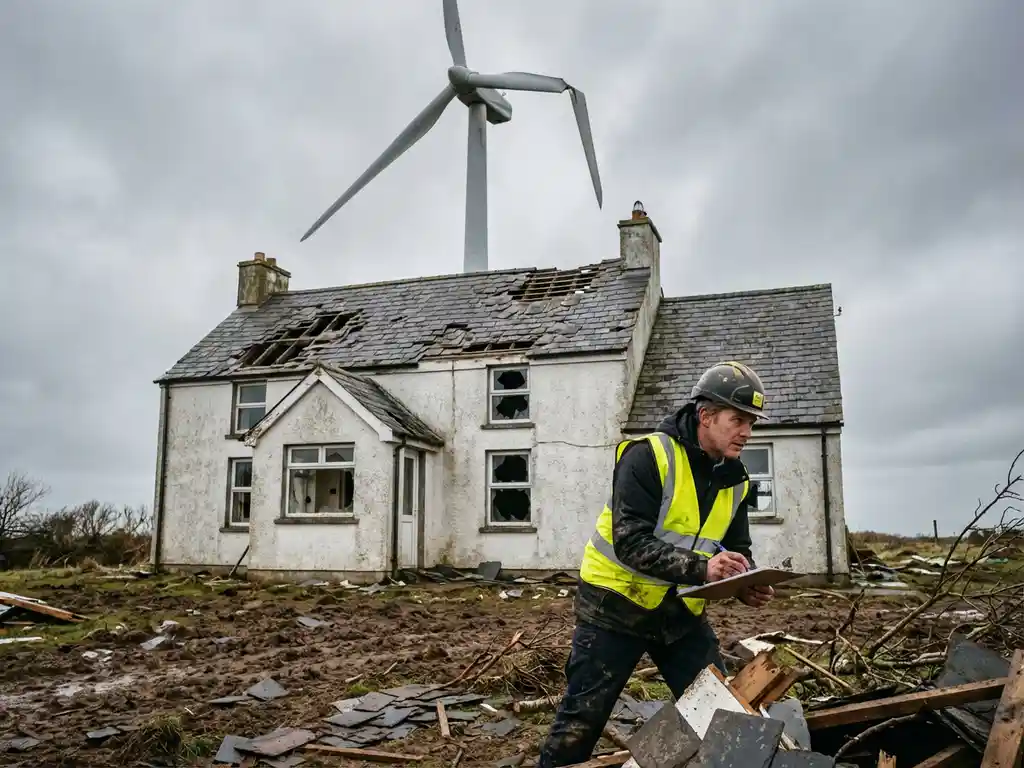
Who is responsible when wind turbines cause property damage?
When wind turbines cause property damage, determining responsibility involves multiple parties and complex liability frameworks. Property owners, wind farm operators, manufacturers, and insurance providers all play crucial roles in addressing damage claims and establishing accountability.
Understanding wind turbine liability is essential for anyone involved in renewable energy projects, from developers and operators to neighboring property owners. With the rapid expansion of wind energy infrastructure, property damage incidents require clear protocols and proper insurance coverage to protect all stakeholders.
Who is legally responsible for wind turbine property damage?
The wind farm operator typically bears primary legal responsibility for property damage caused by its turbines, though liability can extend to manufacturers, maintenance contractors, or installers, depending on the specific circumstances and the cause of the incident.
Wind farm operators maintain operational control over their installations and are generally held liable under premises liability laws. This responsibility covers damage from turbine blade failures, ice throws, noise-related property devaluation, and electromagnetic interference. However, the specific responsible party depends on several factors, including the cause of the damage, contractual arrangements, and applicable warranties.
Manufacturers may share liability when property damage results from design defects, manufacturing flaws, or inadequate safety warnings. Product liability laws can hold turbine manufacturers responsible for damages caused by inherent defects in their equipment, even after installation and commissioning.
Maintenance contractors and installers can also face liability claims when property damage stems from improper installation, inadequate maintenance, or failure to follow safety protocols. Their responsibility typically relates to their specific scope of work and any negligent actions during turbine servicing or construction.
What types of property damage can wind turbines cause?
Wind turbines can cause various types of property damage, including structural damage from blade failures or ice throws, electromagnetic interference affecting electronic equipment, noise-related property devaluation, and foundation issues from vibrations or improper installation.
Blade failures represent one of the most serious damage risks. When turbine blades break or detach, they can strike buildings, vehicles, or other structures within the turbine’s vicinity. Ice accumulation on blades during winter conditions creates additional hazards when pieces of ice are thrown significant distances during turbine operation.
Electromagnetic interference from wind turbines can disrupt television reception, radio communications, and other electronic systems on nearby properties. This interference often affects property values and may require costly mitigation measures or equipment upgrades.
Noise pollution from turbine operations can lead to property devaluation claims, particularly in residential areas. While not always considered direct property damage, persistent noise issues can result in legal claims for diminished property values and impacts on quality of life.
Foundation and structural issues may arise from improper turbine installation or inadequate soil analysis. Poor foundation design can lead to ground subsidence, affecting nearby buildings and infrastructure. Vibrations from turbine operations can also contribute to structural damage in sensitive buildings.
How does wind turbine insurance coverage work for property damage?
Wind turbine insurance coverage for property damage typically operates through comprehensive liability policies that protect operators against third-party claims, while property owners may need separate coverage for damage to their own assets that is not covered by the operator’s insurance.
Wind farm operators usually carry general liability insurance and specialized renewable energy liability coverage. These policies cover third-party property damage claims, legal defense costs, and settlement payments. Coverage limits often range from millions to hundreds of millions of dollars, depending on the project size and risk assessment.
Product liability insurance from turbine manufacturers provides additional coverage when property damage results from equipment defects. This coverage typically applies when damage stems from design flaws, manufacturing defects, or inadequate safety features in the turbine equipment.
Property owners near wind farms should review their existing property insurance policies, as standard homeowners or commercial property insurance may not cover all types of wind turbine-related damage. Specialized coverage may be necessary for electromagnetic interference, noise-related devaluation, or unique risks associated with proximity to wind installations.
Professional liability insurance for maintenance contractors and installers covers claims related to negligent work or failure to meet professional standards. This coverage becomes crucial when property damage results from improper installation or inadequate maintenance practices.
What should property owners do when wind turbines damage their property?
Property owners should immediately document the damage with photographs, secure the affected area to prevent further harm, notify the wind farm operator and their insurance company, and preserve all damaged materials for expert assessment, while avoiding unnecessary repairs without insurer approval.
Prompt documentation is crucial for successful claims processing. Take comprehensive photographs of all damage from multiple angles, including wide shots showing the relationship between the turbine and the damaged property. Record the date, time, and weather conditions when the damage occurred, and gather witness statements if available.
Contact the wind farm operator immediately to report the incident. Most operators have established protocols for handling property damage claims and can guide you through their specific reporting requirements. Obtain contact information for their insurance carrier and claims representatives.
Notify your own insurance company even if you plan to file a claim against the wind farm operator’s insurance. Your insurer may provide temporary coverage or assistance with the claims process, and early notification protects your rights under your policy terms.
Preserve damaged materials and avoid making repairs without approval from the relevant insurance companies. While you should take reasonable steps to prevent further damage, premature repairs can complicate damage assessment and potentially void insurance coverage. Keep detailed records of all communications and expenses related to the incident.
How can wind farm developers prevent property damage liability?
Wind farm developers can reduce property damage liability through comprehensive site assessment, proper turbine placement with adequate setbacks, regular maintenance programs, robust insurance coverage, and proactive community engagement to address concerns before they become legal issues.
Thorough site assessment forms the foundation of liability prevention. Developers should conduct detailed studies of soil conditions, wind patterns, ice formation potential, and electromagnetic interference risks. This analysis helps identify optimal turbine placement and necessary safety measures to minimize property damage risks.
Adequate setback distances from property lines, buildings, and public areas significantly reduce liability exposure. Industry best practices recommend setbacks of at least 1.5 times the turbine’s total height from occupied structures, though local regulations may require greater distances.
Implementing comprehensive maintenance programs helps prevent equipment failures that could cause property damage. Regular inspections, predictive maintenance technologies, and prompt repairs of identified issues reduce the likelihood of blade failures, foundation problems, and other damage-causing incidents.
Engaging with local communities throughout the development process helps identify and address potential concerns before they escalate into legal disputes. Transparent communication about project plans, safety measures, and compensation procedures builds trust and reduces adversarial relationships with neighboring property owners.
What’s the difference between manufacturer and operator liability for wind turbines?
Manufacturer liability covers property damage caused by design defects, manufacturing flaws, or inadequate safety features in the turbine equipment, while operator liability encompasses damage resulting from operational decisions, maintenance practices, and site-specific factors under the operator’s control.
Manufacturer liability operates under product liability laws and typically covers damages that result from inherent defects in the turbine design or manufacturing process. This includes blade design flaws that lead to failures, control system malfunctions, or inadequate safety warnings. Manufacturers remain liable for these issues regardless of how well the operator maintains or operates the equipment.
Operator liability encompasses a broader range of responsibilities related to turbine operation, maintenance, and site management. This includes damage from inadequate maintenance, improper operation during extreme weather, poor site selection, or failure to implement appropriate safety measures. Operators are responsible for ensuring their facilities operate safely within design parameters.
The distinction becomes important in insurance claims and legal proceedings. Manufacturer liability claims often involve longer legal processes and may require extensive technical analysis to prove defects. Operator liability claims typically focus on operational standards, maintenance records, and compliance with safety protocols.
Both parties may share liability in some situations. For example, if a turbine blade fails due to both a minor manufacturing defect and inadequate maintenance, both the manufacturer and the operator could bear proportional responsibility for the resulting property damage.
How Solarif helps with renewable energy liability
We specialize in comprehensive insurance solutions for renewable energy projects, helping developers, operators, and stakeholders navigate complex liability landscapes with tailored coverage that protects against property damage claims and operational risks.
Our renewable energy liability services include:
- Comprehensive liability insurance for solar and energy storage projects
- Risk management and mitigation strategies for renewable energy installations
- Claims management support and expert guidance during incident response
- Specialized coverage for emerging technologies and hybrid energy systems
With more than 15 years of experience in renewable energy insurance and over 3.8 GW of insured capacity, we understand the unique risks facing clean energy projects. Our expertise helps ensure your renewable energy investments are properly protected against liability exposure while supporting your sustainable energy goals.
Ready to protect your renewable energy project with comprehensive liability coverage? Contact our renewable energy insurance specialists today for a customized risk assessment and insurance solution.
Insurance and inspection needs for your BESS?
Contact us today if you want to know more about the possibilities in BESS insurance and Scope inspections.
📧 Email: support@solarif.com
☎️ Phone: +31 (0)26 711 5050