



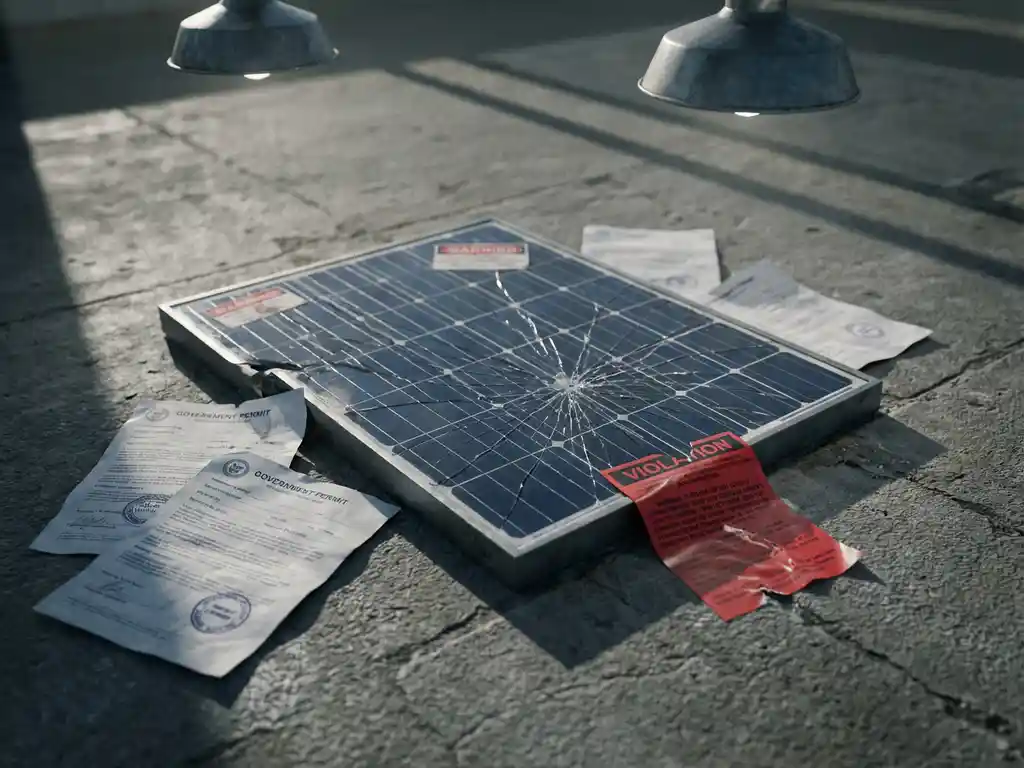
What happens when renewable energy projects breach environmental permits?
Environmental permits serve as the regulatory backbone for renewable energy projects, establishing strict guidelines for construction, operation, and environmental protection. When renewable energy projects breach these permits, the consequences can range from immediate operational shutdowns to project cancellation, creating significant financial and legal risks for developers, investors, and stakeholders.
Understanding the implications of environmental permit violations is crucial for anyone involved in renewable energy development. These breaches can trigger cascading effects that affect project timelines, financial viability, and long-term operational success, making compliance a critical component of effective risk management.
What Exactly Constitutes an Environmental Permit Breach?
An environmental permit breach occurs when a renewable energy project fails to comply with the specific conditions, limitations, or requirements outlined in its environmental permits. These violations can include exceeding noise limits, disturbing protected wildlife habitats, improper waste disposal, unauthorized construction activities, or failing to implement required environmental monitoring protocols.
Environmental permits for renewable energy projects typically contain detailed specifications on operational parameters, construction methods, and ongoing monitoring requirements. Common breach scenarios include operating solar installations beyond permitted capacity levels, conducting construction activities during restricted seasonal periods to protect wildlife, or failing to maintain required buffer zones around sensitive environmental areas. Projects may also violate permits by inadequately managing stormwater runoff, exceeding allowable ground-disturbance limits, or failing to restore disturbed areas in accordance with approved restoration plans.
The complexity of environmental permits means that violations can occur even due to minor oversights. For instance, a solar project might breach its permit by installing panels closer to a wetland boundary than allowed, or by failing to conduct required bird and bat mortality surveys at specified intervals. These seemingly small infractions can trigger significant regulatory responses and project disruptions.
What Are the Immediate Consequences of Violating Environmental Permits?
The immediate consequences of environmental permit violations typically include stop-work orders, mandatory project shutdowns, and formal notices of violation from regulatory agencies. These enforcement actions can halt all project activities within 24 to 48 hours of detection, preventing further construction or operational activities until compliance is restored.
Regulatory agencies often respond swiftly to permit violations to prevent additional environmental damage. Stop-work orders immediately freeze all project activities, including construction, equipment installation, and operational testing. Projects may also face mandatory environmental assessments to determine the extent of any damage caused by the violation. In severe cases, agencies can require immediate remediation efforts, such as habitat restoration or contamination cleanup, before any project activities can resume.
The immediate financial impact extends beyond direct penalties. Projects face daily carrying costs for idle equipment, ongoing financing charges, and potential contract penalties under power purchase agreements. Construction crews and equipment may need to be demobilized and later remobilized, creating significant additional costs. These immediate consequences often trigger broader project delays that can extend for months while compliance issues are resolved.
How Do Environmental Agencies Detect Permit Violations?
Environmental agencies detect permit violations through routine inspections, citizen complaints, satellite monitoring, automated monitoring systems, and self-reporting requirements. Many agencies conduct scheduled and unscheduled site visits, while advanced monitoring technologies enable remote detection of potential violations through aerial surveillance and environmental sensors.
Routine inspection programs form the backbone of enforcement activities. Agencies typically conduct annual or biennial inspections of renewable energy facilities, examining operational parameters, environmental monitoring records, and physical compliance with permit conditions. Inspectors verify that projects operate within permitted noise levels, maintain required setbacks from sensitive areas, and properly implement environmental protection measures.
Modern detection methods increasingly rely on technology. Satellite imagery can reveal unauthorized land disturbance or construction activities, while automated monitoring systems track noise levels, water quality parameters, and wildlife interactions in real time. Many permits require projects to install monitoring equipment that automatically reports data to regulatory agencies, generating immediate alerts when parameters exceed permitted limits.
Citizen complaints also play a significant role in violation detection. Local communities often report suspected violations related to noise, visual impacts, or environmental concerns, prompting immediate agency investigations. Additionally, permit holders must often self-report violations discovered through their own monitoring activities, creating legal obligations for transparency regarding compliance issues.
What Financial Penalties Can Projects Face for Permit Breaches?
Financial penalties for environmental permit breaches can range from thousands to millions of dollars, depending on the severity of the violation, the environmental impact, and the project size. Penalties typically include daily fines that continue until compliance is restored, one-time violation fees, and mandatory costs for environmental remediation and enhanced monitoring programs.
Penalty structures vary significantly by jurisdiction and violation type. Minor violations might incur daily fines of $1,000 to $10,000, while major violations affecting protected species or critical habitats can result in penalties exceeding $100,000 per day. Agencies often calculate penalties based on the economic benefit gained from noncompliance, the gravity of the violation, and the violator’s compliance history.
Beyond direct penalties, projects face substantial indirect costs. Enhanced monitoring requirements can add hundreds of thousands of dollars in ongoing expenses. Environmental remediation costs for habitat restoration or contamination cleanup can reach millions of dollars. Projects may also face increased insurance premiums, as violations indicate higher risk profiles to insurers and can affect the future insurability of renewable energy installations.
Legal defense costs add another layer of financial impact. Complex permit violation cases often require specialized environmental attorneys and expert witnesses, with legal fees potentially reaching hundreds of thousands of dollars. Settlement negotiations and consent agreements may also require additional financial commitments for environmental improvement projects or community benefit programs.
How Long Can Permit Violations Delay Renewable Energy Projects?
Permit violations can delay renewable energy projects for several months to multiple years, depending on the severity of the violation, required remediation efforts, and regulatory approval processes. Simple violations might be resolved within three to six months, while complex cases involving protected species or significant environmental damage can extend delays for two to three years or longer.
The resolution timeline depends heavily on the type of violation and required corrective actions. Administrative violations, such as missing monitoring reports or minor operational exceedances, typically resolve more quickly once proper documentation is submitted and compliance is demonstrated. However, violations involving physical environmental damage require extensive remediation planning, implementation, and monitoring before projects can resume operations.
Seasonal constraints often extend delay periods significantly. Many environmental permits restrict construction activities during wildlife breeding seasons, migration periods, or weather-sensitive times of year. A violation discovered in spring might prevent project resumption until the following year if remediation work cannot be completed before seasonal restrictions take effect. These timing constraints can turn relatively minor violations into major project delays.
Regulatory review processes also contribute to extended timelines. Agencies must assess violation reports, conduct site investigations, review remediation plans, and approve compliance measures before authorizing project resumption. This review process often involves multiple agency departments and public comment periods, particularly for significant violations that require permit modifications or additional environmental assessments.
Can Environmental Permit Breaches Lead to Project Cancellation?
Yes, severe environmental permit breaches can lead to complete project cancellation, particularly when violations cause irreversible environmental damage, recur despite corrective actions, or demonstrate that the project is fundamentally incompatible with environmental protection requirements. Regulatory agencies have the authority to revoke permits entirely when violations are sufficiently serious or persistent.
Project cancellation typically occurs in extreme circumstances. Repeated violations despite multiple enforcement actions demonstrate a pattern of noncompliance that can justify permit revocation. Violations that cause significant harm to protected species, critical habitats, or water resources may trigger immediate permit cancellation if the damage cannot be adequately remediated. Projects that fundamentally cannot operate within their permitted parameters may also face cancellation when modifications cannot resolve compliance issues.
Financial pressures often compound regulatory risks, leading to voluntary project abandonment. Extended delays from permit violations can make projects financially unviable, particularly when power purchase agreements have strict commercial-operation deadlines. The combination of violation penalties, remediation costs, and extended delay expenses can exceed project financial reserves, forcing developers to abandon projects even when permit reinstatement might be possible.
Legal challenges can also escalate permit violations toward project cancellation. Environmental groups or affected communities may file lawsuits challenging permit renewals or seeking permanent injunctions against project operations. These legal proceedings can extend resolution timelines indefinitely and create additional financial pressures that make project continuation impractical.
How Can Renewable Energy Projects Prevent Environmental Permit Violations?
Renewable energy projects can prevent environmental permit violations through comprehensive compliance management systems, regular monitoring and reporting, staff training programs, and proactive engagement with regulatory agencies. Effective prevention requires detailed permit tracking, automated monitoring systems, and clear operational procedures that ensure all activities remain within permitted parameters.
Establishing robust compliance management systems forms the foundation of violation prevention. Projects should maintain detailed permit registers that track all conditions, deadlines, and reporting requirements across multiple permits. Regular compliance audits help identify potential issues before they become violations, while automated monitoring systems provide real-time alerts when operational parameters approach permitted limits.
Staff training and clear procedures ensure consistent compliance across all project activities. All personnel involved in construction and operations should understand relevant permit requirements and their specific responsibilities for maintaining compliance. Regular training updates keep staff informed about permit modifications, seasonal restrictions, and evolving regulatory requirements.
Proactive engagement with agencies helps prevent violations through early identification of potential issues. Regular communication with regulatory agencies can clarify questions about permit interpretation and identify opportunities for permit modifications before violations occur. Many agencies appreciate proactive outreach and may provide additional guidance or flexibility when projects demonstrate a genuine commitment to environmental protection.
How Solarif Helps with Environmental Permit Compliance
We understand that environmental permit compliance represents a critical risk factor that can significantly affect project viability and insurance coverage. Our comprehensive risk management approach helps renewable energy projects maintain compliance and protect against the financial consequences of potential violations.
Our services support environmental compliance through:
- Specialized insurance coverage that addresses regulatory compliance risks and potential violation costs
- Risk assessment services that identify compliance vulnerabilities before they become violations
- Quality inspections that verify operational compliance with environmental permit requirements
- Expert guidance on insurance requirements related to environmental liability and regulatory compliance
Environmental permit violations can threaten project success and insurability. Our experienced team helps renewable energy developers, investors, and operators understand their compliance risks and secure appropriate protection. Contact our specialists at Solarif today to discuss how we can help safeguard your renewable energy investment against environmental compliance risks.
Insurance and inspection needs for your BESS?
Contact us today if you want to know more about the possibilities in BESS insurance and Scope inspections.
📧 Email: support@solarif.com
☎️ Phone: +31 (0)26 711 5050