



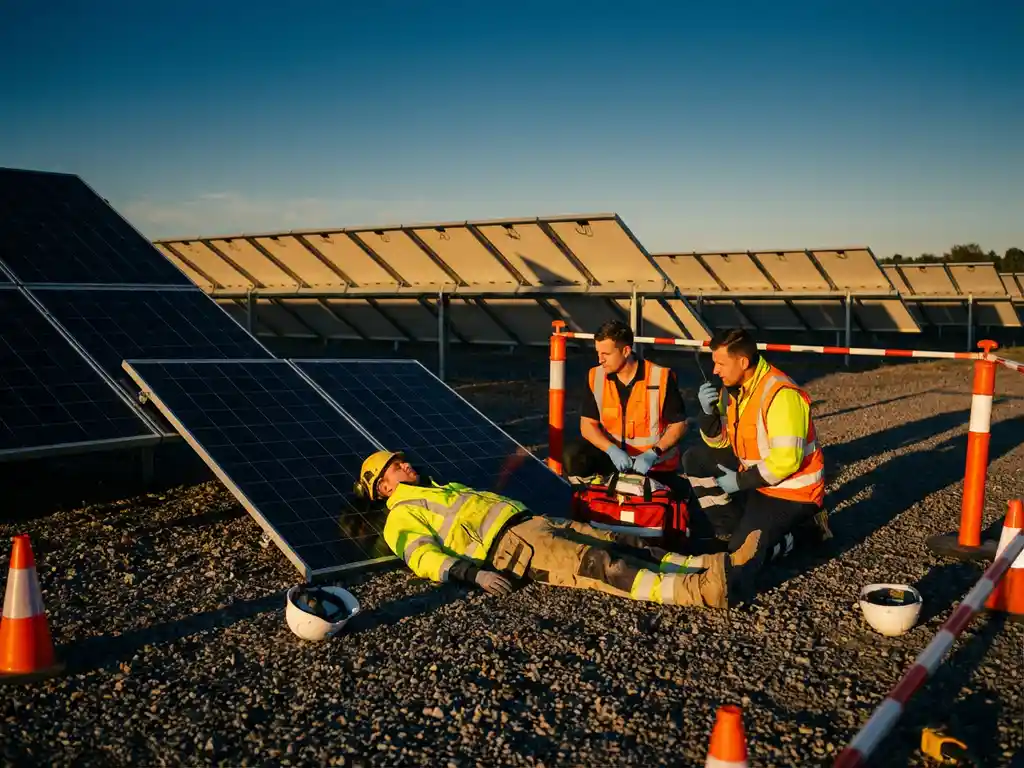
What happens when renewable energy workers are injured on site?
Workplace injuries in renewable energy construction can have serious consequences for workers, employers, and project timelines. When accidents occur on solar installation sites, understanding liability, compensation, and proper response procedures becomes crucial for all stakeholders involved. The renewable energy sector faces unique safety challenges that require specialized approaches to worker protection and risk management.
From falls during rooftop installations to electrical hazards during system commissioning, renewable energy workers face distinct risks that traditional construction insurance may not fully address. Knowing how to navigate these situations protects both workers and businesses while ensuring projects can continue safely and efficiently.
What Are the Most Common Injuries in Renewable Energy Construction?
The most common injuries in renewable energy construction include falls from heights, electrical shocks, cuts from sharp materials, and heat-related illnesses. Solar installation work involves significant rooftop activity, electrical connections, and handling heavy panels, creating multiple injury risks that require specialized safety protocols.
Falls represent the leading cause of serious injuries in solar construction. Workers frequently operate on residential and commercial rooftops, often at considerable heights, while maneuvering heavy solar panels and mounting equipment. Even experienced installers can face challenges from unstable surfaces, weather conditions, or equipment failures that lead to dangerous falls.
Electrical hazards pose another significant risk throughout renewable energy construction. Workers may encounter live wires during grid connections, experience shocks from improperly grounded equipment, or suffer burns from arc-flash incidents. These electrical injuries can be particularly severe and may result in long-term disability or fatalities.
Other frequent injuries include lacerations from sharp panel edges or mounting hardware, back injuries from lifting heavy equipment, and heat exhaustion during summer installations. The combination of outdoor work, physical demands, and technical complexity creates a challenging safety environment that requires comprehensive risk management.
Who Is Responsible When a Renewable Energy Worker Gets Injured?
Responsibility for renewable energy worker injuries typically falls on the direct employer, though liability can extend to general contractors, property owners, or equipment manufacturers, depending on the circumstances. The specific responsible party depends on employment relationships, contractual agreements, and the underlying cause of the injury.
In most cases, the worker’s direct employer bears primary responsibility for workplace injuries through workers’ compensation insurance requirements. This applies whether the worker is employed by an EPC contractor, a subcontractor, or a specialized installation company. The employer must provide workers’ compensation coverage regardless of who caused the accident.
However, additional liability may exist for other parties involved in the project. General contractors can face responsibility if they fail to maintain safe working conditions or provide inadequate safety oversight. Property owners might bear liability if they know about hazardous conditions but fail to address them. Equipment manufacturers could be liable if defective products contributed to the injury.
Contractual agreements between project stakeholders often determine how liability is allocated and which insurance policies respond to claims. These agreements may include indemnification clauses that shift responsibility between parties, making it essential for all stakeholders to understand their potential exposure and ensure adequate insurance coverage.
How Does Workers’ Compensation Work for Solar Project Injuries?
Workers’ compensation for solar project injuries provides medical coverage, wage replacement, and disability benefits regardless of fault, with benefits determined by injury severity and state regulations. The system operates as a no-fault insurance program that protects both workers and employers by providing guaranteed benefits while limiting exposure to lawsuits.
When a renewable energy worker suffers an injury, workers’ compensation typically covers all necessary medical treatment, from emergency care through rehabilitation. This includes hospital stays, surgeries, physical therapy, and any ongoing medical needs related to the workplace injury. Workers don’t pay deductibles or copays for covered treatment.
Wage replacement benefits usually provide a percentage of the worker’s average weekly earnings, typically around two-thirds of their regular pay. These benefits continue while the worker recovers and cannot perform their regular duties. For permanent disabilities, workers may receive ongoing compensation based on the extent of their impairment.
The claims process begins when the injured worker reports the incident to their employer, who then files a claim with their workers’ compensation insurance carrier. The insurer investigates the claim, determines coverage, and begins paying benefits. In many states, workers have the right to choose their treating physician, though some states initially require treatment within approved networks.
What Should You Do Immediately After a Workplace Injury on a Solar Site?
Immediately after a workplace injury on a solar site, secure the area, provide first aid if trained, call emergency services for serious injuries, and document the scene thoroughly. A quick, appropriate response can prevent further injuries, preserve evidence, and ensure proper medical care for the injured worker.
The first priority is ensuring safety for all workers on site. If the injury involved electrical hazards, make sure power sources are disconnected before approaching the injured person. For falls or other accidents, secure the area to prevent additional injuries. Only trained personnel should provide first aid, and emergency services should be called immediately for serious injuries.
Documentation becomes crucial for insurance claims and potential investigations. Take photographs of the accident scene, the equipment involved, and any hazardous conditions that contributed to the injury. Gather contact information from witnesses and record their statements about what they observed. Preserve any damaged equipment or materials until investigators can examine them.
Notify the appropriate parties promptly, including the injured worker’s supervisor, the project manager, and the company’s insurance carrier. Most jurisdictions require employers to report workplace injuries within specific timeframes, often within 24 to 48 hours. Failure to report promptly can result in penalties and may complicate the claims process.
How Do Insurance Policies Protect Renewable Energy Workers and Employers?
Insurance policies protect renewable energy workers and employers through workers’ compensation coverage, general liability protection, and specialized renewable energy insurance that addresses industry-specific risks. These policies work together to provide comprehensive protection for workplace injuries and related liabilities.
Workers’ compensation insurance serves as the primary protection for injured employees, providing medical coverage and wage replacement regardless of fault. This coverage protects workers by guaranteeing benefits while shielding employers from most injury-related lawsuits. However, workers’ compensation may not cover all potential liabilities arising from workplace accidents.
General liability insurance protects employers against third-party claims related to workplace injuries. If a solar installation worker’s injury damages neighboring property or injures a bystander, general liability coverage responds to those claims. This insurance also covers legal defense costs and settlements or judgments against the insured company.
Specialized renewable energy insurance addresses unique risks that standard policies might exclude. These policies can cover equipment damage, business interruption from safety incidents, and liability exposures specific to solar installations. Some policies also provide enhanced coverage for electrical hazards and environmental risks associated with renewable energy projects.
What Safety Measures Prevent Injuries on Renewable Energy Construction Sites?
Effective safety measures for renewable energy construction sites include comprehensive fall protection systems, electrical safety protocols, regular safety training, and thorough site hazard assessments. These preventive measures significantly reduce injury risks and create safer working environments for all project personnel.
Fall protection represents the most critical safety measure for solar installations. This includes proper use of personal fall arrest systems, guardrails around roof perimeters, and safety nets where appropriate. Workers must receive training on fall protection equipment and understand when and how to use it properly. Regular inspection of fall protection equipment ensures it remains effective.
Electrical safety protocols must address the unique hazards of renewable energy construction. This includes lockout/tagout procedures for electrical systems, proper grounding techniques, and use of appropriate personal protective equipment. Workers should be trained to recognize electrical hazards and understand safe work practices around energized equipment.
Regular safety training keeps workers informed about current best practices and emerging hazards. Training should cover equipment operation, hazard recognition, emergency procedures, and proper use of safety equipment. Ongoing education ensures workers stay current with safety requirements as technology and installation methods evolve.
How Solarif Helps with Renewable Energy Worker Protection
We provide comprehensive insurance solutions that protect both renewable energy workers and employers from the financial consequences of workplace injuries. Our specialized approach addresses the unique risks of solar and renewable energy construction through tailored coverage options.
Our services include:
- Workers’ compensation insurance specifically designed for renewable energy contractors
- General liability coverage that addresses solar installation risks
- Risk management consulting to identify and mitigate workplace hazards
- Claims support to ensure injured workers receive proper care and benefits
- Safety training resources to help prevent workplace injuries
With over 15 years of experience in renewable energy insurance and more than 3.8 GW of insured capacity, we understand the specific challenges facing solar project stakeholders. Our expertise helps ensure your projects are properly protected while maintaining a focus on worker safety and project success.
Contact our renewable energy insurance specialists today to discuss how we can protect your workers and business from workplace injury risks.
Insurance and inspection needs for your BESS?
Contact us today if you want to know more about the possibilities in BESS insurance and Scope inspections.
📧 Email: support@solarif.com
☎️ Phone: +31 (0)26 711 5050