



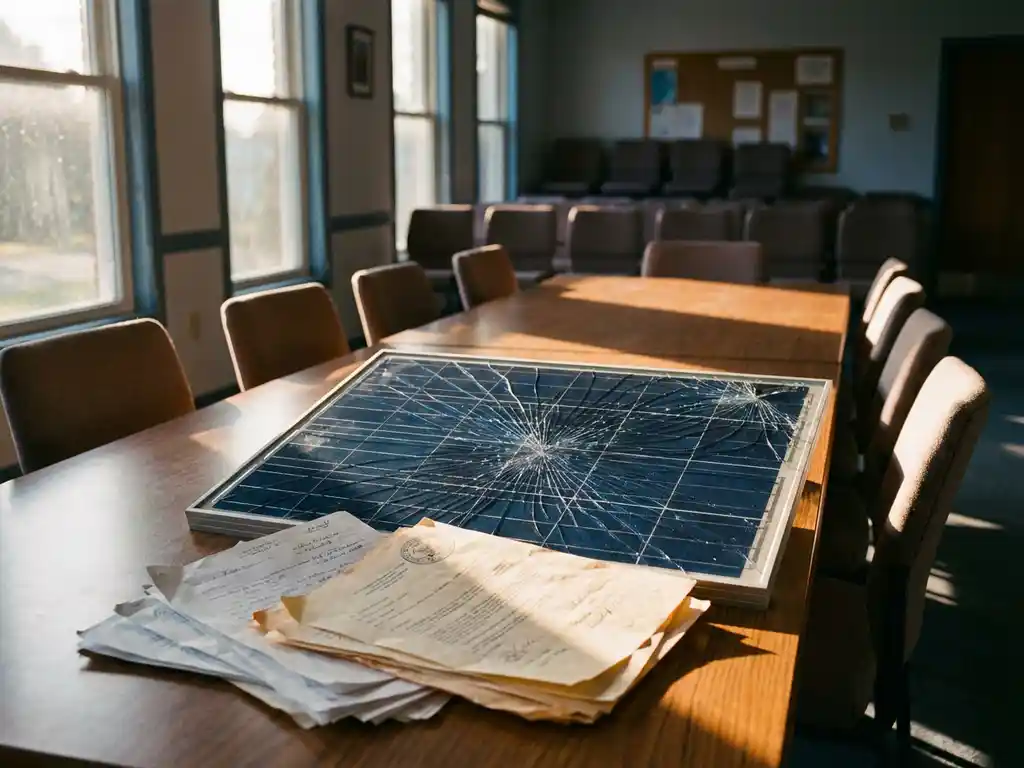
What happens when renewable energy projects breach community agreements?
Community agreements form the foundation of successful renewable energy projects by establishing clear expectations between developers and local stakeholders. These legally binding documents outline project parameters, environmental protections, and community benefits that developers must honor throughout the project lifecycle. When renewable energy projects breach these agreements, the consequences can be severe, affecting not only community relations but also project viability, insurance coverage, and long-term profitability.
Understanding what constitutes a breach and how to prevent violations is essential for developers, investors, and project managers working in the renewable energy sector. The stakes are particularly high given the long-term nature of these projects and the increasing scrutiny from communities, regulators, and financial institutions.
What constitutes a breach of community agreements in renewable energy projects?
A breach of community agreements occurs when renewable energy developers fail to meet the specific commitments outlined in their contracts with local communities, regulatory bodies, or stakeholder groups. These violations can range from environmental noncompliance and construction overruns to failures to deliver promised community benefits or inadequate stakeholder consultation.
Common types of breaches include exceeding agreed-upon noise levels during construction or operation, failing to implement promised environmental mitigation measures, or not delivering committed community investment funds. Construction-related violations often involve working outside permitted hours, using unauthorized access routes, or causing property damage beyond agreed limits.
Environmental breaches represent another significant category, encompassing violations such as improper waste disposal, inadequate erosion control, or failure to protect sensitive habitats as specified in environmental management plans. These issues can trigger regulatory action and community opposition that threaten project completion.
Financial commitment breaches occur when developers fail to make promised payments to community funds, meet local hiring quotas, or honor revenue-sharing arrangements. Such violations can quickly erode community trust and lead to legal challenges that delay or halt project operations.
What are the immediate consequences when projects violate community terms?
Immediate consequences of community agreement breaches include construction stoppages, regulatory investigations, legal injunctions, and potential insurance coverage issues. Projects may face work stoppages while violations are investigated, leading to costly delays and potential contract penalties under offtake agreements or from construction partners.
Regulatory bodies often respond swiftly to community complaints, potentially suspending permits or requiring additional environmental assessments. These interventions can halt construction activities and require expensive remediation measures before work can resume.
Community relations deteriorate rapidly following breaches, often resulting in organized opposition that can escalate to legal challenges. Local stakeholders may file injunctions to stop construction, demand renegotiation of agreements, or seek damages for perceived harm to their interests.
From an insurance perspective, violations of community agreements can affect coverage eligibility and claims processing. Projects that fail to maintain strong stakeholder relationships may face higher premiums or coverage exclusions, as insurers view community opposition as a significant risk factor for project success.
Financial markets also react negatively to community agreement breaches, with investors potentially withdrawing funding or demanding higher returns to compensate for increased project risks. Credit rating agencies may downgrade project ratings, affecting future financing costs and project viability.
How do communities and developers resolve agreement breaches?
Resolving community agreement breaches typically involves direct negotiation, mediation, or formal dispute resolution processes outlined in the original agreements. Most successful resolutions begin with immediate acknowledgment of the violation, followed by transparent communication about corrective measures and timelines for compliance.
The first step usually involves convening stakeholder meetings where developers present detailed remediation plans and timelines for addressing violations. These discussions often include independent verification mechanisms to ensure compliance and prevent future breaches.
Mediation services frequently prove effective in resolving disputes without resorting to litigation. Independent mediators help facilitate discussions between communities and developers, often resulting in modified agreements that address underlying concerns while allowing projects to proceed.
Financial compensation may be required for certain breaches, particularly those involving environmental damage or community disruption beyond agreed limits. Developers often establish escrow accounts or bonding arrangements to demonstrate their commitment to resolution and future compliance.
Some agreements include escalation procedures that move from informal resolution to formal arbitration or legal proceedings if initial efforts fail. These processes provide structured frameworks for addressing serious violations while maintaining relationships where possible.
What legal protections do communities have against project violations?
Communities have several legal protections against renewable energy project violations, including contractual remedies, regulatory enforcement mechanisms, environmental protection laws, and access to judicial review. These protections vary by jurisdiction but generally provide multiple avenues for addressing developer noncompliance.
Contractual protections embedded in community benefit agreements typically include specific performance requirements, penalty clauses, and termination rights for material breaches. These agreements often specify monetary damages for violations and may include rights to halt construction until compliance is achieved.
Environmental protection laws provide additional safeguards, allowing communities to file complaints with regulatory agencies for violations of environmental permits or impact assessments. Agencies have the authority to impose fines, require corrective action, or revoke permits for serious violations.
Planning and zoning regulations offer another layer of protection, with local authorities empowered to enforce compliance with approved development plans. Communities can petition for permit revocation or modification if projects exceed approved parameters.
Judicial review processes allow communities to challenge project approvals or seek injunctions against violations through court systems. While litigation can be expensive and time-consuming, it provides a final recourse for addressing serious breaches that threaten community interests.
How can renewable energy projects prevent community agreement breaches?
Preventing community agreement breaches requires comprehensive project management, regular stakeholder engagement, robust monitoring systems, and proactive compliance programs. Successful projects establish clear internal protocols for agreement compliance and maintain ongoing dialogue with community representatives throughout the project lifecycle.
Effective prevention begins with thorough agreement documentation that clearly defines all commitments, timelines, and performance metrics. Projects should establish internal compliance teams responsible for monitoring adherence to community agreements and environmental requirements.
Regular stakeholder communication through scheduled meetings, progress reports, and grievance mechanisms helps identify potential issues before they become violations. Many successful projects establish community liaison roles to maintain ongoing relationships and address concerns promptly.
Monitoring and reporting systems should track all agreement commitments, with regular audits to verify compliance. These systems often include third-party verification to provide an independent assessment of project performance against community agreements.
Training programs for project staff and contractors ensure that all team members understand community agreement requirements and their role in maintaining compliance. Regular safety and environmental briefings should include community relations protocols and violation reporting procedures.
How Solarif helps with community agreement compliance
We understand that maintaining community relations and agreement compliance is crucial for project success and insurability. Our comprehensive risk management approach helps solar project developers identify potential compliance issues before they become costly violations.
Our services support community agreement compliance through:
- Risk assessments that evaluate community relations risks and compliance requirements
- Insurance solutions that protect against liability from community agreement violations
- Quality inspections that verify environmental and safety compliance standards
- Expert guidance on insurability requirements related to stakeholder management
With over 15 years of experience in solar project risk management and 521 Scope 12 inspections completed, we help ensure your projects maintain the compliance standards necessary for insurance coverage and community acceptance. Contact our experts today to discuss how we can protect your solar investment through comprehensive risk management and insurance solutions.
Insurance and inspection needs for your BESS?
Contact us today if you want to know more about the possibilities in BESS insurance and Scope inspections.
📧 Email: support@solarif.com
☎️ Phone: +31 (0)26 711 5050