



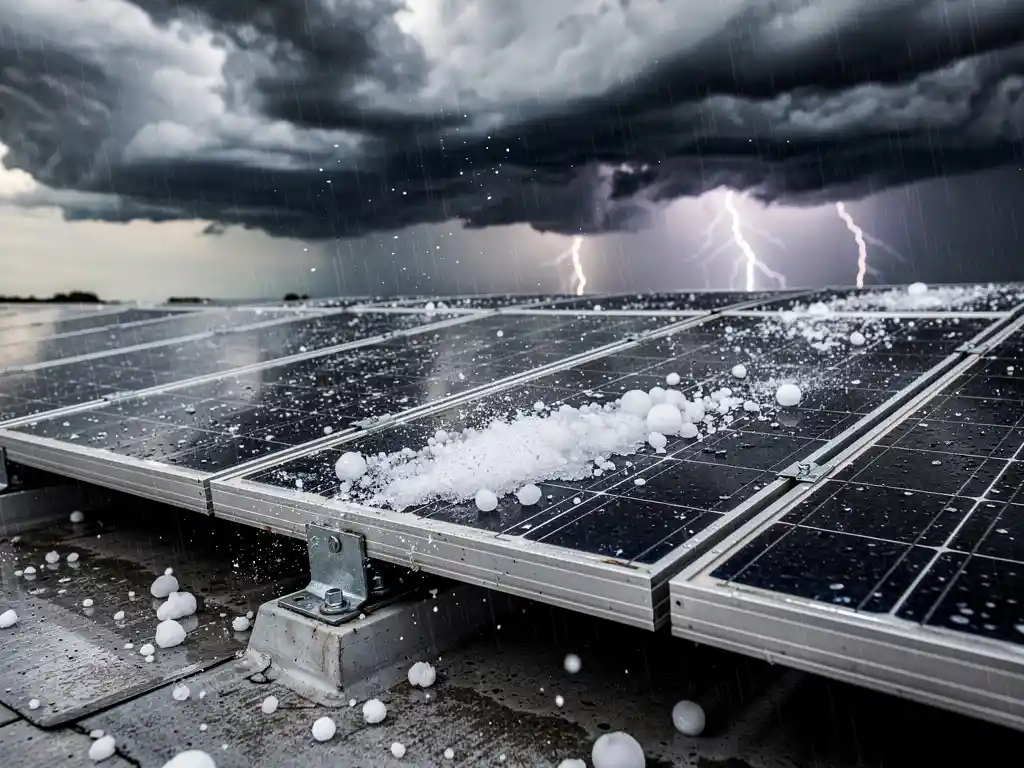
How do you protect solar systems from hail damage?
Solar panels face numerous weather challenges throughout their operational lifetime, but few pose as immediate and dramatic a threat as hailstorms. These sudden weather events can cause significant damage to solar installations, potentially compromising energy production and requiring costly repairs. Understanding how to protect solar systems from hail damage is essential to maintaining the long-term viability and profitability of solar investments.
Effective hail protection requires a comprehensive approach that combines proper panel selection, strategic installation techniques, insurance coverage, and rapid-response protocols. By implementing these protective measures, solar system owners can minimize the risk of weather-related damage and ensure their renewable energy investments remain productive for decades to come.
What Type of Damage Can Hail Cause to Solar Panels?
Hail can cause several types of damage to solar panels, ranging from surface scratches to complete panel destruction. The most common damage includes cracked or shattered glass surfaces, damaged anti-reflective coatings, microcracks in solar cells, and compromised junction boxes or electrical connections.
Surface damage typically begins with small impacts that create hairline cracks in the tempered glass covering. These cracks may not immediately affect energy production but can allow moisture infiltration over time, leading to corrosion and reduced panel efficiency. Larger hailstones can cause more severe damage, including complete glass shattering or deep cracks that expose the underlying solar cells to the elements.
The anti-reflective coating on solar panels is particularly vulnerable to hail impacts. Even relatively small hailstones can scratch or chip this coating, reducing the panel’s ability to capture sunlight effectively. This type of damage often results in measurable decreases in energy output, even when the underlying glass remains intact.
Electrical components face significant risks during hailstorms. Junction boxes, wiring connections, and mounting hardware can be damaged by direct impacts or by debris displaced during the storm. This electrical damage can create safety hazards and may require a complete system shutdown until repairs are completed.
How Resistant Are Modern Solar Panels to Hail Impact?
Modern solar panels undergo rigorous hail-resistance testing and can typically withstand hailstones up to 25 mm in diameter at speeds of 23 meters per second. Most quality panels meet IEC 61215 standards, which simulate hail-impact conditions through standardized testing protocols using ice balls fired at specific velocities.
The hail resistance of solar panels depends on several design factors. Tempered-glass thickness plays a crucial role, with most panels featuring 3.2 mm to 4 mm thick glass surfaces. Higher-quality panels often incorporate strengthened glass or additional protective layers that enhance impact resistance without significantly affecting light transmission.
Panel mounting and installation angle also influence hail resistance. Panels installed at steeper angles tend to experience less direct impact force, as hailstones are more likely to glance off the surface rather than striking it perpendicularly. Proper mounting systems that minimize panel flex during impacts can also reduce the likelihood of damage.
However, it’s important to note that no solar panel is completely hailproof. Severe storms with large hailstones exceeding standard test parameters can still damage even the most robust panels. Additionally, repeated exposure to smaller hailstones over time can weaken panel surfaces and increase vulnerability to future impacts.
What Insurance Options Protect Solar Systems from Hail Damage?
Solar systems can be protected from hail damage through specialized renewable energy insurance policies that cover weather-related risks, including hail, wind, and storm damage. These policies typically include all-risks coverage for physical damage to panels, inverters, mounting systems, and associated electrical components.
Risk management for solar installations covers various types of weather damage beyond hail. These comprehensive policies protect against fire, theft, vandalism, and natural disasters while also covering business-interruption losses resulting from system downtime. Coverage typically extends to replacement costs for damaged equipment and lost energy-production revenue during repair periods.
Performance insurance provides additional protection by guaranteeing specific energy-output levels and protecting against manufacturer defects that might become apparent after weather damage. This type of coverage is particularly valuable for commercial solar installations, where energy production directly impacts revenue streams.
When selecting hail-damage coverage, it’s essential to work with insurance brokers who specialize in renewable energy projects. Standard property insurance policies often exclude or inadequately cover solar installations, making specialized coverage crucial for comprehensive protection. Policy terms should clearly define coverage limits, deductibles, and claim procedures specific to solar equipment.
How Can You Physically Protect Solar Panels from Hail?
Physical protection strategies for solar panels include selecting hail-resistant equipment, optimizing installation angles, implementing protective barriers, and performing regular maintenance to ensure maximum durability. The most effective approach combines multiple protection methods rather than relying on a single solution.
Equipment selection forms the foundation of hail protection. Choose panels with thicker tempered glass, reinforced frames, and proven track records in hail-prone regions. Look for panels that exceed standard hail-resistance testing requirements, and consider investing in premium products with enhanced weather-protection features.
Installation techniques can significantly improve hail resistance. Optimal tilt angles between 30 and 45 degrees help deflect hail impacts while maintaining strong energy production. Proper spacing between panel rows helps prevent damage from bouncing hailstones, and secure mounting systems reduce panel movement during storms.
Some installations benefit from additional protective measures, such as hail guards or protective screens. These systems can be deployed temporarily during severe weather warnings or permanently installed in areas with frequent hail activity. However, any protective barriers must be carefully designed to avoid shading panels or interfering with normal operations.
Regular maintenance and inspection help identify potential vulnerabilities before they become serious problems. Cleaning panels regularly removes debris that could cause additional damage during hailstorms, while periodic structural inspections ensure mounting systems remain secure and capable of withstanding severe weather impacts.
What Should You Do Immediately After a Hailstorm Hits Your Solar System?
Immediately after a hailstorm, conduct a visual safety assessment from ground level, document any visible damage with photographs, and contact your insurance provider to report a potential claim. Do not attempt to access roof-mounted panels until a professional safety assessment confirms it is safe to do so.
Safety must be the top priority following any severe weather event. Damaged solar panels may present electrical hazards, and roof access could be dangerous if mounting systems or roofing materials have been compromised. If you notice any obvious damage or system alarms, shut down the solar system immediately and contact qualified technicians.
Documentation is crucial for insurance claims and repair planning. Take photographs of any visible damage from multiple angles, including wide shots showing the overall system condition and close-ups of specific damaged areas. Record the date, time, and weather conditions, and preserve any fallen debris or damaged components for expert assessment.
Contact your insurance provider promptly to initiate the claims process. Most policies require timely notification of potential claims, and early reporting helps ensure smooth claim processing. Be prepared to provide detailed information about the system specifications, installation date, and extent of visible damage.
While waiting for a professional assessment, monitor system performance through your monitoring equipment if it remains operational. Sudden drops in energy production may indicate damage that is not immediately visible from ground level. However, avoid making any repairs or modifications until insurance adjusters and qualified technicians have completed their evaluations.
How Solarif Helps with Solar Hail Damage Protection
Solarif specializes in comprehensive insurance solutions designed specifically for solar energy projects, including robust protection against hail damage and other weather-related risks. Our expertise in renewable energy insurance ensures your solar investments receive the specialized coverage they need to weather any storm.
Our hail damage protection services include:
- Customized all-risks insurance policies covering complete system replacement and business interruption
- Performance insurance guaranteeing energy-output levels and protecting against weather-related production losses
- Scope 12 inspections to verify installation quality and ensure optimal insurability
- Expert claims support and rapid-response protocols for storm-damage assessment
- Risk management consulting to optimize physical protection strategies
With over 15 years of experience protecting 3.8 GW of solar capacity, we understand the unique challenges facing solar installations in severe weather conditions. Our specialized knowledge of renewable energy risks ensures you receive coverage that truly protects your investment when extreme weather strikes.
Protect your solar investment from hail damage today. Contact our renewable energy insurance experts for a comprehensive risk assessment and a customized protection plan.
Insurance and inspection needs for your BESS?
Contact us today if you want to know more about the possibilities in BESS insurance and Scope inspections.
📧 Email: support@solarif.com
☎️ Phone: +31 (0)26 711 5050