



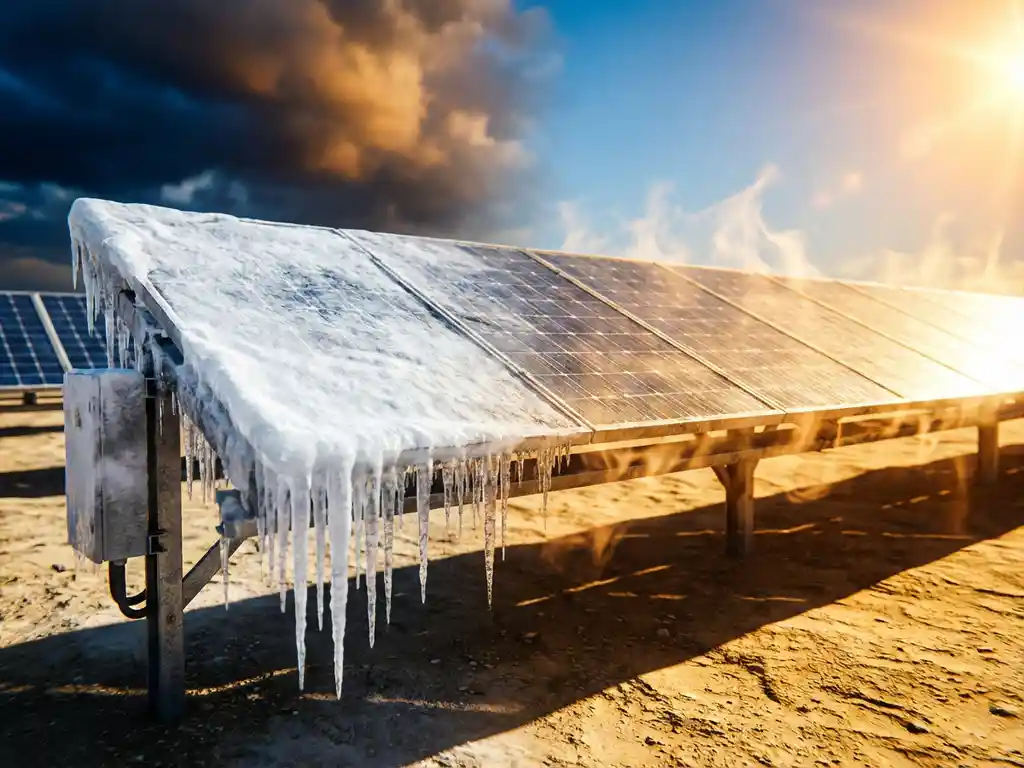
How do extreme temperatures affect solar panels?
Solar panels are designed to withstand extreme weather conditions, but temperature fluctuations can significantly affect their performance and longevity. Understanding how heat and cold affect photovoltaic systems is crucial for project developers, investors, and EPC contractors planning commercial solar installations. With proper risk management and quality assurance measures, these temperature-related challenges can be effectively addressed to protect your solar investment.
The effects of temperature on solar panels go beyond simple performance variations. Extreme conditions can influence everything from energy output to insurance requirements and long-term system reliability. As commercial solar projects continue to expand globally, addressing these thermal challenges becomes increasingly important to ensure project success and maintain investor confidence.
How Do High Temperatures Affect Solar Panel Performance?
High temperatures reduce solar panel efficiency due to the temperature coefficient of photovoltaic cells, typically causing a 0.3% to 0.5% decrease in power output for every degree Celsius above 25°C (77°F). This means that on a 40°C (104°F) day, panels can lose 4.5% to 7.5% of their rated capacity compared to standard test conditions.
The physics behind this performance drop relates to how semiconductors behave under thermal stress. As silicon cells heat up, voltage output decreases more rapidly than current increases, resulting in a net power loss. Modern solar panels are tested under Standard Test Conditions (STC): 25°C, 1,000 watts per square meter of irradiance, and an air mass of 1.5.
Beyond immediate performance impacts, sustained high temperatures accelerate several degradation processes. Thermal cycling causes expansion and contraction that can stress solder bonds and cell interconnections. Extreme heat also accelerates potential-induced degradation (PID) and can cause delamination of encapsulant materials, leading to moisture ingress and corrosion.
For commercial installations, these temperature effects translate into measurable financial impacts. A large-scale solar farm in a hot climate might experience 10% to 15% lower annual energy production than the same system in moderate temperatures. This performance gap affects project economics and can influence insurance premiums and coverage requirements.
What Happens to Solar Panels in Freezing Weather?
Solar panels can actually perform more efficiently in cold weather, with most crystalline silicon panels increasing power output by 0.3% to 0.5% for every degree below 25°C. However, freezing conditions present operational challenges, including snow accumulation, ice formation, and thermal shock from rapid temperature changes.
Cold temperatures improve the electrical characteristics of silicon photovoltaic cells by increasing voltage output while maintaining relatively stable current levels. This is why solar installations in northern climates or at high altitudes often exceed their rated capacity during clear, cold days with high solar irradiance.
The primary concerns in freezing weather involve physical stresses rather than electrical performance. Snow loads can exceed design limits if they are not properly accounted for during system design. Ice formation can block ventilation pathways, potentially causing localized heating when snow melts and exposes portions of the array. Thermal shock occurs when panels rapidly transition from sub-zero temperatures to direct sunlight.
Mechanical stresses from freeze-thaw cycles can affect mounting systems and panel frames. Water that penetrates small gaps or cracks can expand when it freezes, potentially damaging seals or creating pathways for moisture ingress. These conditions require careful attention during system design and adherence to regular maintenance protocols.
At What Temperature Do Solar Panels Stop Working?
Solar panels do not completely stop working at any specific temperature within normal environmental ranges; they typically operate from -40°C to +85°C (-40°F to +185°F). However, extreme temperatures outside manufacturers’ specifications can cause temporary shutdowns or permanent damage to system components.
Most commercial solar panels are rated to operate between -40°C and +85°C, with some high-performance modules extending these ranges slightly. At the extreme cold end, panels continue generating electricity, but inverters and other electronic components may shut down to protect themselves. Battery systems in hybrid installations are more temperature-sensitive and may require thermal management systems.
At extremely high temperatures above 85°C—which can occur in desert installations or poorly ventilated, roof-mounted systems—panels may experience accelerated degradation or safety-related shutdowns. Power electronics, including inverters, typically have lower temperature tolerances and will shut down before the panels stop producing power.
The more critical consideration is sustained operation near these extremes. While panels may function at temperature limits, prolonged exposure accelerates aging and can void warranties. System designers must account for local climate extremes and provide adequate ventilation, spacing, and thermal management to keep operating temperatures within optimal ranges.
How Can You Protect Solar Panels From Temperature Extremes?
Protecting solar panels from temperature extremes involves proper system design, adequate ventilation, appropriate mounting techniques, and regular maintenance protocols. Key strategies include optimizing tilt angles for airflow, using light-colored mounting materials, ensuring proper spacing between panels, and implementing thermal management systems where necessary.
Design considerations play the primary role in temperature management. Elevated mounting systems allow air circulation beneath panels, reducing operating temperatures by 10°C to 20°C compared to roof-integrated installations. Proper spacing between panel rows prevents heat buildup and allows for thermal expansion. In extreme climates, active cooling systems or specialized mounting hardware may be necessary.
Material selection significantly affects thermal performance. Light-colored or reflective mounting rails and hardware reduce heat absorption. High-quality encapsulants and backsheet materials maintain integrity under thermal stress. Some manufacturers offer panels specifically designed for high-temperature environments, with improved temperature coefficients and enhanced materials.
Regular maintenance protocols help identify and address temperature-related issues before they become serious problems. Thermal imaging inspections can detect hot spots that indicate potential failures. Cleaning schedules prevent dust accumulation that can increase operating temperatures. Vegetation management ensures adequate airflow around ground-mounted systems.
For commercial installations, comprehensive risk management includes proper insurance coverage that accounts for temperature-related risks. Quality inspections during installation and operation help verify that thermal management systems function correctly and that installations meet the safety standards required by insurers.
Do Solar Panels Work Better in Hot or Cold Weather?
Solar panels work better in cold weather from an efficiency standpoint, producing more electricity per unit of sunlight received. However, hot weather often provides more hours of sunlight and higher irradiance levels, which can result in greater overall daily energy production despite reduced efficiency.
The relationship between temperature and solar performance involves multiple factors beyond panel efficiency. Cold, clear days with high solar irradiance provide optimal conditions for maximum power output per panel. However, shorter daylight hours in winter and potential snow cover can reduce total daily production compared to longer summer days.
Geographic location significantly influences this balance. In temperate climates, spring and fall often provide the best combination of moderate temperatures and strong solar irradiance. Desert installations may see peak production in winter months, when temperatures are moderate but sunlight remains abundant. Northern installations typically peak in late spring or early summer.
For commercial solar projects, understanding these seasonal variations is crucial for financial modeling and performance guarantees. Energy production profiles help optimize system design and inform maintenance scheduling. Battery storage systems in hybrid installations can help balance seasonal production variations by storing excess summer production for winter use.
The optimal approach considers total system performance rather than focusing solely on panel efficiency. This includes factoring in inverter performance, which also varies with temperature, and considering how thermal management costs affect overall project economics.
How Solarif Helps with Temperature Risk Management
We understand that temperature extremes pose significant risks to solar project performance and profitability. As specialized insurance brokers for renewable energy projects, we provide comprehensive solutions to protect your investment against temperature-related challenges and ensure your projects meet the highest safety and quality standards.
Our temperature risk management services include:
- Scope 12 Inspections: Our SCIOS-certified inspectors evaluate thermal management systems and identify potential temperature-related risks during the installation and operational phases.
- Specialized Insurance Coverage: We arrange tailored policies that account for temperature-related performance variations and equipment failures caused by extreme weather conditions.
- Risk Assessment: A comprehensive evaluation of your project’s thermal risks, including site-specific climate analysis and equipment selection recommendations.
- Performance Insurance: Protection against temperature-related production losses and equipment degradation that could affect your project returns.
With over 15 years of experience and 3.8 GW of insured capacity, we’ve seen how proper thermal risk management supports project success. Our expertise helps ensure that your solar installation operates safely and efficiently, regardless of environmental conditions.
Ready to protect your solar investment against temperature extremes? Contact our renewable energy insurance specialists at Solarif today for a comprehensive risk assessment and tailored coverage solutions.
Insurance and inspection needs for your BESS?
Contact us today if you want to know more about the possibilities in BESS insurance and Scope inspections.
📧 Email: support@solarif.com
☎️ Phone: +31 (0)26 711 5050