



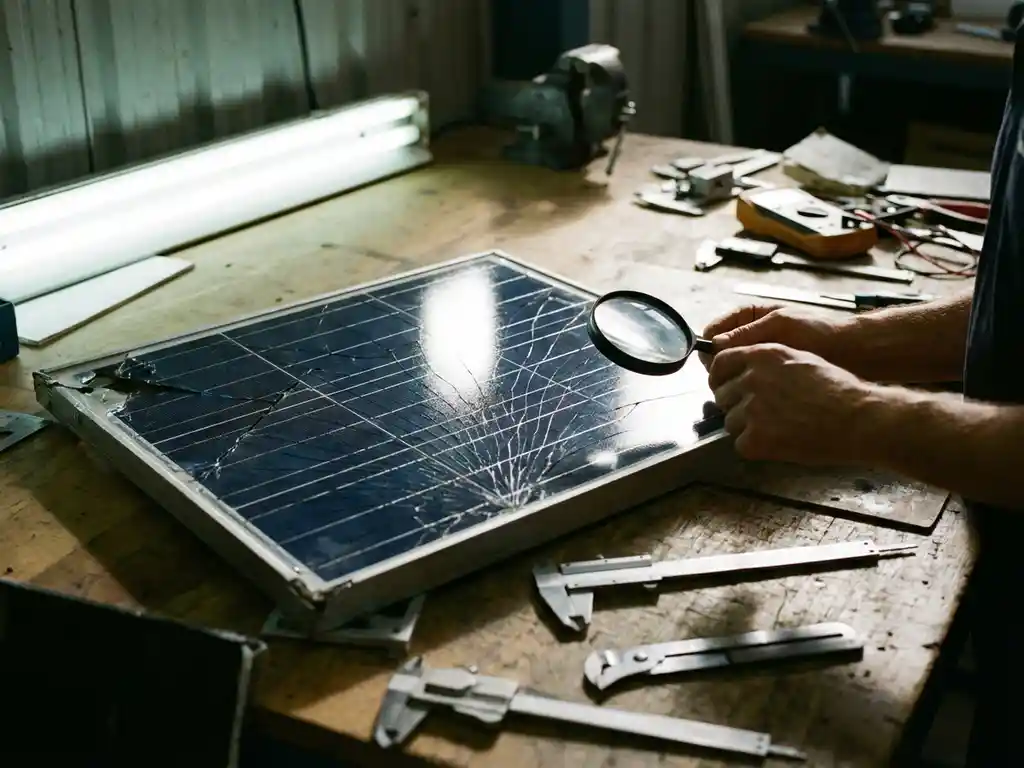
How do manufacturing defects impact solar reliability?
Manufacturing defects in solar panels can significantly impact the long-term reliability and financial performance of solar energy projects. These defects, which occur during the production process, can lead to reduced energy output, premature failures, and costly repairs that affect project returns. For investors, developers, and EPC contractors in the solar industry, understanding how manufacturing defects influence solar panel reliability is crucial for making informed decisions and protecting investments.
Quality control measures and robust inspection protocols play a vital role in identifying potential issues before they become major problems. Early detection of manufacturing defects helps prevent performance degradation and ensures that solar installations meet expected output levels throughout their operational lifespan.
What are the most common manufacturing defects in solar panels?
The most common manufacturing defects in solar panels include cell cracks, soldering issues, encapsulant problems, and backsheet defects that occur during the production process. These defects can compromise the structural integrity and electrical performance of photovoltaic modules.
Cell cracks are among the most frequent manufacturing defects, often resulting from mechanical stress during handling or thermal expansion during production. These microcracks can propagate over time, leading to power loss and potential hot-spot formation. Soldering defects, including poor connections between cells and interconnect ribbons, create resistance points that reduce current flow and generate heat.
Encapsulant defects involve issues with the EVA (ethylene-vinyl acetate) layer that protects solar cells. Poor lamination can create air bubbles, delamination, or inadequate adhesion between layers. These problems allow moisture ingress and can lead to corrosion of electrical components. Backsheet defects include pinholes, improper adhesion, or material degradation that compromises the module’s protective barrier against environmental factors.
Frame and junction box defects can also occur during manufacturing, including improper sealing, inadequate grounding connections, or structural weaknesses that can affect long-term durability and safety.
How do manufacturing defects reduce solar panel performance?
Manufacturing defects reduce solar panel performance by creating electrical resistance, blocking light transmission, and compromising the module’s ability to convert sunlight into electricity efficiently. These defects can cause immediate power losses and accelerate long-term degradation.
Cell cracks disrupt the electrical pathways within solar cells, creating areas of high resistance that reduce current flow. When cracks isolate portions of cells, those sections cannot contribute to power generation, directly reducing the module’s output. Hot spots can develop around cracked areas, further degrading performance and potentially causing permanent damage.
Soldering defects create electrical bottlenecks that increase series resistance throughout the module. Poor connections between cells prevent optimal current transfer, reducing overall power output. These resistance points also generate heat, which can worsen over time and lead to additional failures.
Encapsulant problems affect both electrical and optical performance. Delamination creates air gaps that scatter light and reduce transmission to solar cells. Moisture ingress through compromised encapsulant can lead to corrosion of cell interconnects and metallization, progressively reducing electrical conductivity and power output.
These defects often compound each other, creating cascading performance issues that worsen throughout the module’s lifespan. What begins as a minor manufacturing flaw can evolve into significant power losses that impact project economics.
What quality control measures prevent manufacturing defects?
Effective quality control measures include electroluminescence testing, visual inspections, thermal cycling tests, and automated production monitoring systems that identify defects before modules leave the factory. These measures help ensure manufacturing quality and reduce the likelihood of field failures.
Electroluminescence (EL) testing reveals cell cracks, soldering defects, and electrical discontinuities that are invisible to the naked eye. This non-destructive testing method applies current to solar cells and captures images of their light emission patterns. Dark areas in EL images indicate defects that could affect performance.
Visual inspections examine modules for obvious defects, including scratches, discoloration, bubble formation, and frame damage. Automated optical inspection systems can detect surface irregularities and ensure consistent quality across production runs.
Thermal cycling and humidity-freeze testing simulate environmental stresses that modules will experience in the field. These accelerated aging tests identify potential encapsulant failures, solder-bond weaknesses, and thermal expansion issues before they cause field failures.
In-line monitoring systems track critical production parameters, including lamination temperature, pressure cycles, and curing times. Statistical process control methods identify when production parameters drift outside acceptable ranges, preventing defective modules from reaching completion.
Third-party certification programs verify that manufacturers maintain consistent quality standards and follow established testing protocols throughout production.
How can investors identify solar panels with manufacturing defects?
Investors can identify solar panels with manufacturing defects through comprehensive pre-purchase inspections, factory audits, third-party testing reports, and verification of manufacturer quality certifications. Professional inspection services provide detailed assessments of module quality and manufacturing standards.
Factory audits evaluate manufacturing processes, quality control procedures, and testing capabilities. These audits verify that manufacturers follow established protocols and maintain equipment calibration necessary for consistent quality. Reviewing production records and quality metrics provides insights into defect rates and process control.
Third-party testing laboratories can perform independent assessments of sample modules from production lots. These tests include electrical performance verification, mechanical stress testing, and accelerated aging protocols that reveal potential manufacturing issues.
Certification verification ensures that modules meet international standards such as IEC 61215 and IEC 61730. Valid certifications from accredited testing laboratories indicate that modules have undergone rigorous testing for safety and performance.
Supply chain due diligence involves researching manufacturer reputation, financial stability, and track record in the industry. Companies with established quality management systems and long operational histories typically have lower defect rates.
Professional inspection services can examine modules before installation, using specialized equipment to detect manufacturing defects that could affect long-term performance. These inspections provide documentation necessary for insurance coverage and warranty claims.
What happens when defective solar panels fail in the field?
When defective solar panels fail in the field, they cause immediate power losses, create safety hazards, and generate significant replacement costs that can impact project profitability. Field failures often trigger warranty claims and insurance assessments to determine coverage and liability.
Power production losses occur immediately when modules fail, reducing project revenues and potentially violating power purchase agreement terms. Cascading failures can affect entire strings of modules, multiplying the financial impact beyond the initial defective unit.
Safety hazards can emerge when manufacturing defects lead to electrical arcing, hot spots, or fire risks. Damaged modules can create ground faults or present electrocution risks during maintenance activities. Emergency shutdowns may be necessary to ensure worker safety and prevent further damage.
Replacement costs include not only new modules but also labor for removal, disposal of defective units, and system recommissioning. Access challenges and specialized equipment requirements can significantly increase these costs, particularly for large commercial installations.
Insurance claims may become necessary when field failures result from manufacturing defects covered under equipment policies. However, proving that failures stem from manufacturing defects rather than installation errors or environmental factors requires detailed investigation and documentation.
Project financing can be affected when defect-related failures reduce expected returns or create uncertainty about long-term performance. Lenders may require additional security or modify loan terms when manufacturing defects impact project viability.
How Solarif helps with manufacturing defect risks
We specialize in protecting solar energy investments against manufacturing defect risks through comprehensive insurance solutions and quality verification services. Our approach combines risk management, specialized coverage, and proactive quality control to safeguard your projects from defect-related losses.
- Solarif-certified quality verification: Our certification program confirms that panels meet strict quality standards, increasing insurability and providing access to exclusive Inherent Defect Coverage.
- Comprehensive risk insurance: We provide specialized coverage for equipment failures, including those resulting from manufacturing defects, protecting against power losses and replacement costs.
- Professional inspection services: Our SCIOS-certified inspectors conduct thorough quality assessments to identify potential manufacturing issues before they become costly problems.
- Performance insurance solutions: We offer protection against underperformance and manufacturer insolvency, ensuring your investment remains secure even when defects affect output.
With over 15 years of experience in solar energy insurance and more than 3.8 GW of insured capacity, we understand the critical importance of manufacturing quality to project success. Our tailored insurance solutions provide the certainty you need to move forward confidently with your solar investments. Contact our specialists today to discuss how we can protect your project against manufacturing defect risks and help ensure long-term performance security.
Insurance and inspection needs for your BESS?
Contact us today if you want to know more about the possibilities in BESS insurance and Scope inspections.
📧 Email: support@solarif.com
☎️ Phone: +31 (0)26 711 5050