


How do you protect solar investments from fraud?
Solar investment fraud poses a significant threat to the renewable energy sector, with fraudulent schemes targeting investors through fake projects, inflated returns, and misrepresented technologies. As solar investments continue to grow, protecting your capital requires understanding common fraud tactics and implementing robust verification processes.
Professional due diligence, comprehensive inspections, and specialized insurance coverage form the foundation of fraud protection for solar investments. These safeguards help investors identify legitimate opportunities while avoiding costly scams that can devastate portfolios and undermine confidence in renewable energy markets.
What Are the Most Common Types of Solar Investment Fraud?
Solar investment fraud typically involves Ponzi schemes using fake solar projects, phantom installations that are never built, inflated performance projections, and misrepresentation of equipment quality or certifications. These schemes exploit investor enthusiasm for renewable energy while promising unrealistic returns.
Ponzi schemes represent one of the most damaging forms of solar fraud. Fraudsters create elaborate presentations featuring non-existent solar farms or greatly exaggerated project capacities. They use funds from new investors to pay returns to earlier participants, creating an illusion of profitability until the scheme inevitably collapses.
Equipment fraud involves selling substandard or counterfeit solar panels, inverters, and components while claiming they meet premium specifications. Fraudsters may present fake certifications or inflate efficiency ratings to justify higher prices. This type of fraud can result in installations that underperform dramatically or fail entirely.
Development fraud occurs when promoters collect investment funds for solar projects that exist only on paper. They may show fabricated permits, fake land agreements, or doctored feasibility studies to convince investors that projects are further along in development than they actually are.
How Can You Verify the Legitimacy of Solar Investment Opportunities?
Verify the legitimacy of solar investment opportunities through independent due diligence, including checking developer track records, validating permits and land rights, reviewing financial projections with qualified professionals, and conducting on-site inspections of existing projects or proposed locations.
Start by researching the development team’s background and previous projects. Legitimate solar developers have verifiable histories with completed installations, satisfied customers, and established relationships with reputable equipment suppliers and financial institutions. Request references from previous investors and contact them directly to verify their experiences.
Validate all legal documentation, including land leases, interconnection agreements, and environmental permits. These documents should be publicly verifiable through the appropriate regulatory agencies. Be wary of developers who refuse to provide documentation or claim that proprietary information prevents disclosure of basic project details.
Engage independent technical experts to review project specifications, equipment selections, and performance projections. Qualified engineers can identify unrealistic assumptions about solar irradiance, system efficiency, or maintenance costs that might indicate fraudulent projections.
Financial Due Diligence Steps
- Review audited financial statements from project developers and sponsors
- Verify power purchase agreements with creditworthy off-takers
- Confirm equipment supplier contracts and warranty terms
- Validate insurance coverage and risk management strategies
What Red Flags Should Investors Watch for in Solar Projects?
Major red flags include guaranteed returns above market rates, pressure to make immediate investment decisions, a lack of proper documentation, unverified equipment specifications, and developers with no verifiable track record in solar project development.
Unrealistic return promises often signal fraudulent schemes. Legitimate solar projects typically offer returns that align with market conditions and project risk profiles. Be extremely cautious of any opportunity promising guaranteed returns significantly above prevailing rates for similar investments.
High-pressure sales tactics represent another critical warning sign. Legitimate investment opportunities allow adequate time for due diligence and professional review. Fraudsters often create artificial urgency to prevent investors from conducting proper research or seeking independent advice.
Missing or incomplete documentation should immediately raise concerns. Authentic solar projects require extensive permitting, environmental assessments, and regulatory approvals. Developers who cannot provide complete documentation or claim that projects are exempt from standard requirements may be operating fraudulent schemes.
Technical Red Flags
- Equipment specifications that seem too good to be true
- Lack of proper certifications for solar panels and inverters
- Unrealistic performance projections for the geographic location
- Missing or inadequate maintenance and monitoring plans
How Do Professional Inspections Protect Against Solar Investment Fraud?
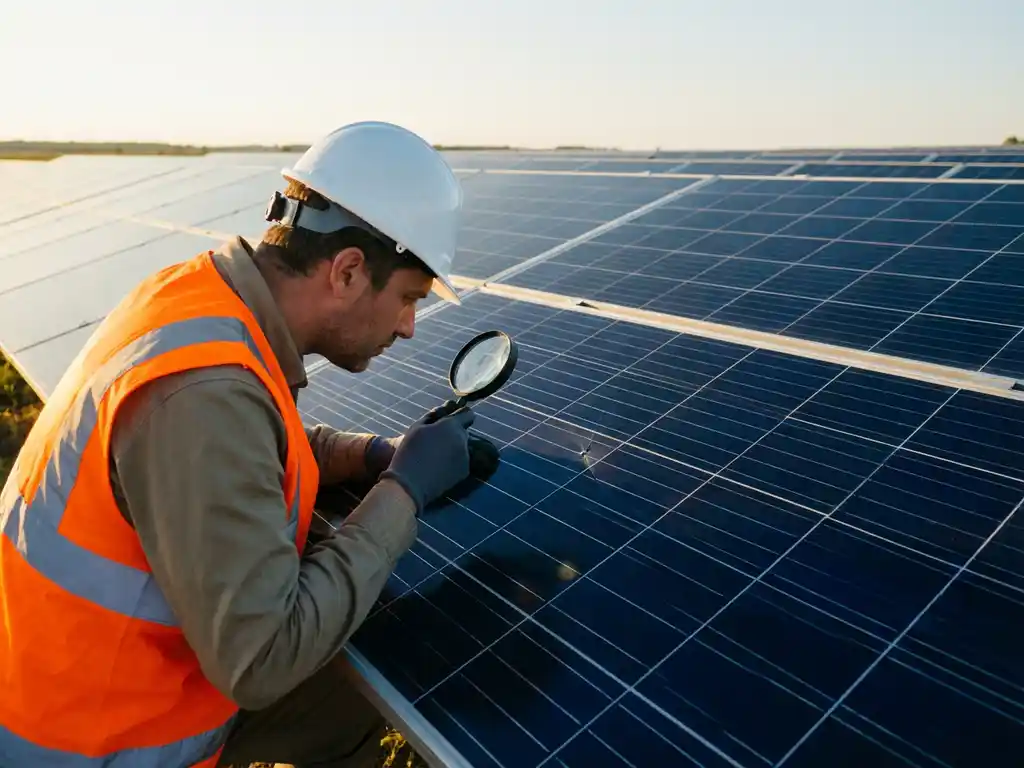
Professional inspections verify installation quality, equipment authenticity, and system performance against stated specifications. Independent technical assessments can identify counterfeit equipment, substandard installations, and performance discrepancies that indicate potential fraud.
Scope 12 inspections, while not legally mandatory, are required by most insurers for commercial solar installations. These comprehensive assessments evaluate system safety, quality, and compliance with industry standards. Professional inspectors can identify equipment that does not match specifications or installations that fail to meet professional standards.
Independent inspections provide objective verification of project claims. Qualified inspectors assess whether installations match developer representations regarding equipment quality, installation workmanship, and expected performance. This verification process helps investors confirm that their capital has been deployed as promised.
Regular monitoring and inspection schedules help detect ongoing fraud or mismanagement. Professional assessments can identify declining performance that might indicate equipment substitution, inadequate maintenance, or other issues that could signal fraudulent activity.
What Insurance Coverage Protects Solar Investments from Fraudulent Activities?
Specialized solar insurance, including professional indemnity coverage, construction bonds, and performance guarantees, can protect against various forms of fraud. These policies can cover losses from developer misconduct, equipment failures, and performance shortfalls that result from fraudulent misrepresentation.
Professional indemnity insurance protects against losses resulting from negligent or fraudulent advice from consultants, engineers, or other professionals involved in project development. This coverage can be crucial when technical advisors misrepresent project capabilities or equipment specifications.
Construction bonds and performance guarantees provide financial protection if developers fail to complete projects as specified or if installations do not meet performance standards. These instruments help ensure that investors have recourse when projects fail to deliver promised results.
Equipment insurance with comprehensive coverage can protect against losses from counterfeit or substandard components. Policies should include coverage for replacement costs and lost production when equipment fails to perform as specified.
How Solarif Helps with Solar Investment Fraud Protection
We provide comprehensive fraud protection through our specialized insurance solutions, professional inspection services, and risk management expertise. With over 15 years of experience in the renewable energy sector and 3.8 GW of insured capacity, we understand the unique risks facing solar investments and offer tailored protection strategies.
Our fraud protection services include:
- Scope 12 inspections by certified professionals to verify installation quality and equipment authenticity
- Risk insurance covering losses from fraudulent activities and developer misconduct
- Performance insurance protecting against equipment failures and underperformance
- Surety bonds providing financial guarantees during construction phases
- Due diligence support through our international network of certified partners
Ready to protect your solar investments from fraud? Contact our specialists today for a comprehensive risk assessment and a customized insurance solution that safeguards your renewable energy investments.
Insurance and inspection needs for your BESS?
Contact us today if you want to know more about the possibilities in BESS insurance and Scope inspections.
📧 Email: support@solarif.com
☎️ Phone: +31 (0)26 711 5050