



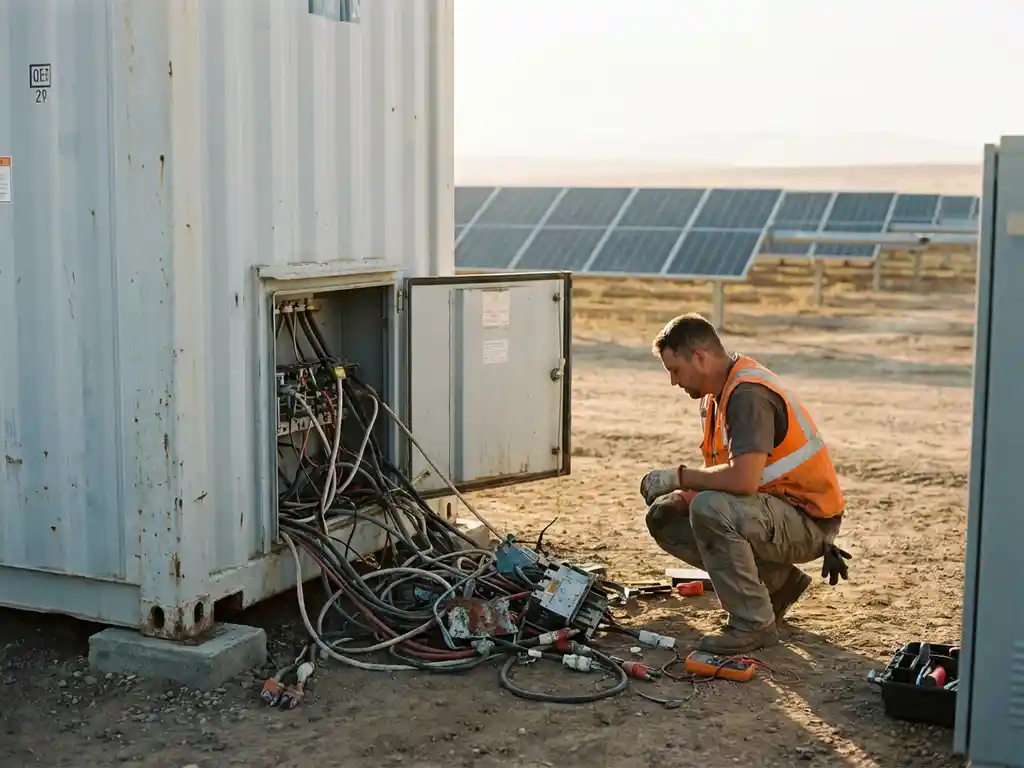
What are the most common BESS installation mistakes?
Battery Energy Storage System (BESS) installations are becoming increasingly common as renewable energy projects expand worldwide. However, the complexity of these systems means that even experienced teams can make critical errors during installation. Understanding the most frequent BESS installation mistakes helps project developers, contractors, and operators avoid costly delays, safety hazards, and performance issues that can compromise the entire project.
From thermal management failures to electrical connection errors, these mistakes often stem from inadequate planning, rushed timelines, or an insufficient understanding of BESS-specific requirements. The consequences can range from reduced system performance to complete project failure, making proper installation practices essential for successful battery energy storage deployments.
What are the most critical BESS installation mistakes?
The most critical BESS installation mistakes include inadequate thermal management design, improper electrical connections, insufficient safety system integration, and poor commissioning procedures. These errors can lead to thermal runaway events, reduced battery performance, safety hazards, and premature system failure.
Inadequate site preparation is another fundamental mistake that affects the entire installation. Many teams underestimate the importance of proper foundation work, drainage systems, and access routes for maintenance. Battery containers require level, stable foundations that can handle significant loads while providing proper ventilation clearances.
Poor integration among the Battery Management System (BMS), Power Conversion System (PCS), and Energy Management System (EMS) creates operational inefficiencies. When these critical components do not communicate properly, the BESS cannot optimize charging and discharging cycles, leading to reduced lifespan and performance issues.
Environmental protection failures also rank among the most serious mistakes. BESS installations require robust protection against moisture, dust, and temperature extremes. Inadequate weatherproofing or ventilation can cause corrosion, overheating, or electrical faults that compromise system safety and reliability.
Why do BESS thermal management systems fail during installation?
BESS thermal management systems fail during installation primarily due to inadequate cooling-capacity design, improper ventilation placement, and insufficient integration of temperature monitoring. These failures can cause battery cells to overheat, leading to reduced performance, shortened lifespan, or dangerous thermal runaway conditions.
Many installations underestimate heat generation from battery modules, especially during rapid charging or discharging cycles. The thermal management system must be sized not only for normal operation but also for peak-load conditions and ambient temperature variations. Insufficient cooling capacity often becomes apparent only after the system goes live, making retrofits expensive and complex.
Ventilation system placement errors create hot spots within battery containers. Poor air-circulation design can leave certain battery modules inadequately cooled while others receive excessive airflow. This temperature imbalance causes uneven battery degradation and can trigger safety shutdowns.
Temperature sensor placement and calibration mistakes prevent the thermal management system from responding appropriately to changing conditions. Sensors placed too far from critical components or improperly calibrated can provide inaccurate readings that compromise the entire thermal-control strategy.
How do electrical connection errors impact BESS performance?
Electrical connection errors in BESS installations create resistance hot spots, voltage imbalances, and power losses that significantly reduce system efficiency and reliability. Poor connections can cause up to 15% performance degradation and create fire hazards through excessive heat generation at connection points.
Improper torque specifications on electrical connections represent a common but serious error. Under-torqued connections create high-resistance points that generate heat and can lead to connection failure over time. Over-torqued connections can damage terminals or create stress points that fail under thermal cycling.
DC and AC wiring errors affect power-conversion efficiency and system safety. Incorrect polarity connections, inadequate cable sizing, or poor grounding practices can cause inverter faults, ground loops, or dangerous voltage potentials. These issues often do not manifest immediately but create long-term reliability problems.
Cable management failures expose connections to environmental stress, vibration, and accidental damage. Poorly supported cables can create strain on terminals, while inadequate protection from moisture or contaminants can cause corrosion and connection degradation over time.
What safety oversights occur most frequently in BESS installations?
The most frequent BESS safety oversights include inadequate fire-suppression system integration, improper hazardous-area classification, insufficient emergency shutdown procedures, and a lack of proper personal protective equipment protocols. These oversights can result in serious injuries, property damage, and regulatory violations.
Fire detection and suppression system failures represent critical safety gaps. Many installations lack appropriate detection systems for early-stage thermal events or use incompatible suppression agents. While water-based systems remain the most recommended method for cooling and de-escalating battery fires, proper system design must account for electrical-conductivity risks and electrolyte containment.
Inadequate emergency response planning leaves personnel unprepared for thermal runaway events or electrical faults. Many sites lack clear evacuation procedures, proper emergency equipment, or trained response personnel. Emergency shutdown systems must be easily accessible and clearly marked, with backup power for critical safety systems.
Electrical safety violations occur when installations do not follow proper lockout/tagout procedures, arc-flash protection requirements, or qualified-worker standards. BESS installations involve high-voltage DC systems that require specialized safety training and equipment that differs from traditional AC electrical work.
How can poor commissioning procedures ruin a BESS project?
Poor commissioning procedures can ruin a BESS project by failing to identify critical system integration issues, incorrect parameter settings, and incomplete safety system verification before energization. These oversights often result in premature equipment failure, safety incidents, and warranty voiding that can cost millions in repairs and delays.
Inadequate system testing during commissioning can miss critical performance and safety issues. Proper commissioning requires comprehensive testing of all battery modules, verification of BMS functionality, and validation of thermal management systems under various load conditions. Rushing through these tests or skipping verification steps creates hidden problems that emerge during operation.
Parameter configuration errors during commissioning can set incorrect operating limits, charging profiles, or safety thresholds. These mistakes can cause batteries to operate outside safe parameters, leading to accelerated degradation or safety shutdowns. Proper commissioning requires detailed verification of all system settings against manufacturer specifications.
Documentation failures during commissioning create long-term operational challenges. Without proper as-built drawings, test results, and configuration records, future maintenance and troubleshooting become extremely difficult. This lack of documentation can also void warranties and create compliance issues with insurance requirements.
How Solarif Helps with BESS Installation Risk Management
As an insurance broker specializing in renewable energy projects, we understand that proper risk management is essential for successful BESS installations. Our comprehensive approach helps project developers and contractors avoid common installation mistakes through specialized insurance solutions and risk assessment services.
- Pre-installation risk assessments that identify potential thermal management, electrical, and safety vulnerabilities before construction begins
- Specialized BESS insurance coverage that protects against installation errors, commissioning failures, and performance guarantees
- Quality inspection services including Scope 12 inspections that verify proper installation practices and safety system integration
- Expert consultation on insurance requirements and risk mitigation strategies specific to battery energy storage projects
Our experience with more than 3.8 GW of insured renewable energy capacity and 521 completed Scope 12 inspections gives us unique insight into BESS installation challenges. We work with A-rated insurers who understand the specific risks of battery storage systems and can provide coverage that supports project success from installation through operation.
Contact our BESS specialists today to discuss comprehensive risk management solutions for your battery energy storage installation project.
Insurance and inspection needs for your BESS?
Contact us today if you want to know more about the possibilities in BESS insurance and Scope inspections.
📧 Email: support@solarif.com
☎️ Phone: +31 (0)26 711 5050