



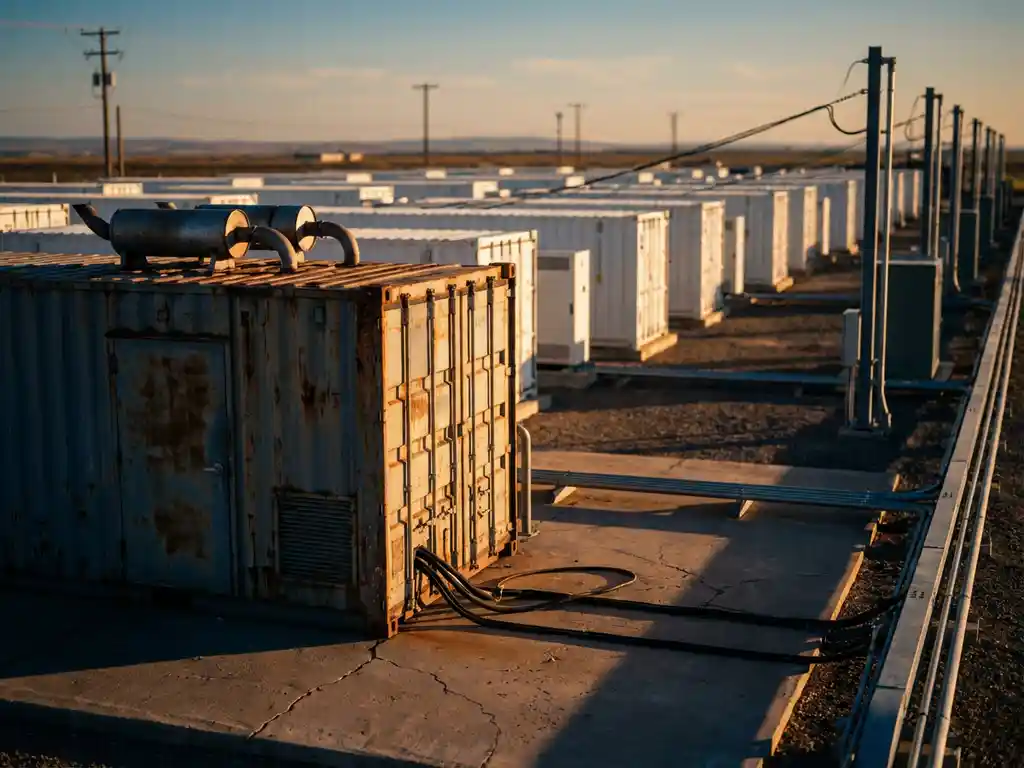
Should BESS installations have backup power systems?
Battery Energy Storage Systems (BESS) are critical infrastructure assets that store and release electrical energy to balance grid supply and demand. As these systems become more prevalent in commercial renewable energy projects, questions arise about their own power requirements and backup systems. While BESS installations are designed to provide backup power to others, they also contain sophisticated control systems, safety equipment, and monitoring devices that require continuous operation.
Determining whether BESS installations need their own backup power systems involves examining the critical components that must remain operational during grid outages, the potential consequences of system failures, and the reliability requirements set by insurers and project stakeholders.
What is a BESS backup power system?
A BESS backup power system is an auxiliary power source that maintains the operation of critical control and safety systems within a battery storage facility during grid outages or primary power failures. These backup systems typically power the Battery Management System (BMS), Energy Management System (EMS), thermal management equipment, fire suppression systems, and monitoring devices that ensure the safe operation of the battery installation.
The backup power system for a BESS differs fundamentally from the main battery storage function. While the primary BESS stores energy for grid services or load shifting, the backup system focuses specifically on maintaining the operational integrity of the facility itself. This includes keeping communication systems active, ensuring proper ventilation and cooling, and maintaining fire safety systems that protect against thermal runaway events.
Common backup power solutions for BESS installations include uninterruptible power supplies (UPS), diesel generators, or dedicated battery banks separate from the main storage system. The choice depends on the required backup duration, the criticality of the installation, and the facility’s specific insurance or regulatory requirements.
Why would a BESS installation need backup power?
BESS installations require backup power to maintain critical safety and control systems during grid outages, ensuring continuous monitoring of battery conditions and preventing potentially dangerous situations such as thermal runaway. Without backup power, the Battery Management System and thermal controls could fail, creating safety risks and equipment damage that far exceed the cost of backup systems.
The primary reason is safety management. Lithium-ion batteries, the most common technology in large-scale BESS, require constant monitoring and thermal management to operate safely. If the BMS loses power during a grid outage, it cannot monitor cell temperatures or voltages, or detect early warning signs of thermal runaway. This creates a significant safety hazard, particularly in large commercial installations.
Operational continuity is another critical factor. During grid disturbances, BESS installations often provide their most valuable services, such as frequency regulation or emergency power supply. If the control systems lose power precisely when the grid needs the battery most, the installation cannot fulfill its intended function, resulting in lost revenue and potential contractual penalties.
Insurance requirements also drive the need for backup power systems. Many insurers mandate continuous operation of fire suppression systems, monitoring equipment, and communication systems as conditions of coverage. Without backup power to maintain these systems, facilities may face coverage exclusions or significantly higher premiums.
What are the different types of backup power for BESS?
The main types of backup power for BESS installations include uninterruptible power supplies (UPS) for short-term protection, diesel generators for extended outages, and dedicated auxiliary battery systems separate from the main storage array. Each solution offers different duration capabilities, costs, and reliability characteristics suited to specific operational requirements.
Uninterruptible Power Supply (UPS) Systems
UPS systems provide immediate, seamless power transition during grid outages, typically supporting critical loads for 15 minutes to several hours. These systems excel at protecting sensitive electronic equipment from power-quality issues and brief interruptions. For BESS applications, UPS systems commonly power the BMS, EMS, and communication equipment that require clean, stable power.
The main limitation of UPS systems lies in their duration capacity. While they are ideal for short outages and power-quality issues, they cannot sustain operations during extended grid failures without additional backup sources.
Diesel Generator Systems
Diesel generators offer extended backup power capability, potentially running for days or weeks depending on fuel availability. These systems can power larger loads, including HVAC systems, lighting, and all facility operations during prolonged outages. Generator systems typically start automatically within seconds of detecting a grid failure.
However, generators require regular maintenance and fuel management, and they may face environmental restrictions in some locations. They also produce emissions and noise, which may limit their acceptability in certain installations.
Auxiliary Battery Systems
Dedicated auxiliary battery systems provide clean, quiet backup power separate from the main BESS array. These systems can be sized for specific duration requirements and offer high reliability with minimal maintenance. Unlike the main storage system, which is optimized for cycling, auxiliary batteries are designed for standby reliability.
How do backup power systems affect BESS reliability?
Backup power systems significantly enhance BESS reliability by ensuring continuous operation of critical safety and control systems during grid disturbances, reducing the risk of equipment damage and safety incidents. Properly designed backup systems can improve overall facility availability from approximately 95% to over 99%, depending on the backup solution implemented.
The reliability impact extends beyond simple uptime statistics. During grid instability, when BESS installations provide their highest-value services, backup power ensures the facility can continue operating and responding to grid needs. This operational continuity during critical periods often justifies the investment in backup systems through improved revenue generation.
Safety-related reliability improvements are equally important. Continuous power to thermal management systems prevents dangerous temperature excursions that could lead to thermal runaway events. Fire suppression systems remain active and ready to respond if needed. Communication systems maintain connections with emergency services and facility operators.
From an insurance perspective, backup power systems demonstrate proactive risk management that insurers value highly. Facilities with comprehensive backup power often qualify for reduced premiums or enhanced coverage terms, as insurers recognize the reduced likelihood of major incidents or equipment damage.
What factors determine if your BESS needs backup power?
The need for backup power in BESS installations depends primarily on facility size, battery technology, local grid reliability, insurance requirements, and safety regulations. Commercial installations over 1 MWh typically require backup systems due to safety considerations and insurer mandates, while smaller systems may operate safely with grid power alone.
Battery technology plays a crucial role in determining backup power requirements. Lithium-ion systems, particularly those using certain chemistries, require continuous thermal monitoring and management to prevent thermal runaway. These installations almost always benefit from backup power to maintain safety systems. Other battery technologies may have different safety profiles that affect backup power needs.
Local grid reliability significantly influences backup power decisions. Areas with frequent outages or poor power quality provide a stronger justification for backup systems. Conversely, locations with highly reliable grids may require only minimal backup protection for critical safety systems.
Insurance requirements often drive backup power decisions in commercial installations. Many insurers require continuous operation of fire suppression, monitoring, and communication systems as conditions of coverage. Project developers should consult insurance professionals early in the design process to understand specific requirements.
Revenue considerations also factor into backup power decisions. BESS installations that generate revenue through grid services, demand charge management, or power purchase agreements may lose significant income during outages. The cost of backup power often proves minimal compared to potential revenue losses during extended outages.
How Solarif helps with BESS backup power planning
As an insurance broker specializing in renewable energy projects, we work closely with BESS developers and operators to ensure their backup power systems meet both safety requirements and insurance standards. Our experience with more than 3.8 GW of renewable energy projects and 521 Scope 12 inspections provides deep insight into the backup power configurations that insurers prefer and the safety standards that protect your investment.
Our BESS insurance and risk management services include:
- Insurance requirement analysis for backup power systems based on facility size and technology
- Risk assessment of backup power configurations and their impact on coverage terms
- Connections with A-rated insurers who understand BESS technology and the benefits of backup power
- Quality inspection services to verify backup power system installation and maintenance
- Ongoing risk management support to optimize backup power operations
Whether you’re developing a new BESS project or evaluating backup power options for an existing facility, our specialized knowledge of insurance requirements and safety standards ensures your backup power investment provides maximum protection and value. Contact our renewable energy insurance experts today to discuss your BESS backup power requirements and secure comprehensive coverage for your energy storage investment.
Insurance and inspection needs for your BESS?
Contact us today if you want to know more about the possibilities in BESS insurance and Scope inspections.
📧 Email: support@solarif.com
☎️ Phone: +31 (0)26 711 5050