



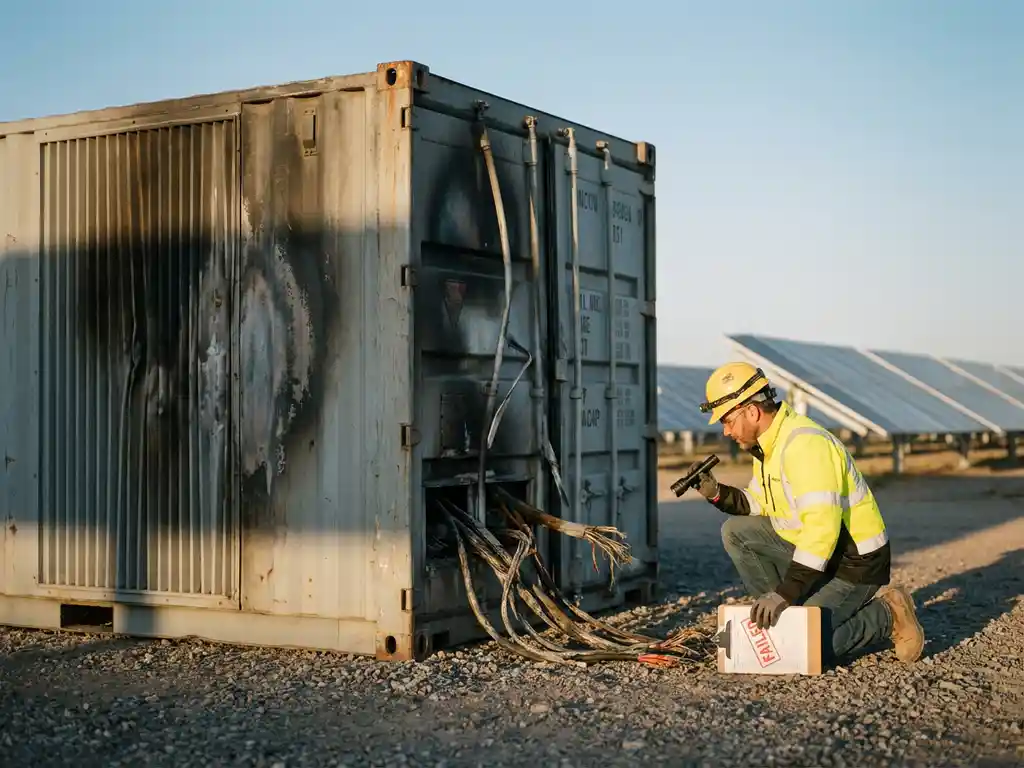
Why do some BESS projects fail safety certifications?
Battery Energy Storage Systems (BESS) are becoming critical infrastructure for renewable energy projects, but not all installations pass the rigorous safety certifications required for operation. These certification failures can derail entire projects, causing significant delays, cost overruns, and insurance complications. Understanding why BESS projects fail safety certifications is essential for developers, EPC contractors, and investors who want to ensure their energy storage investments meet regulatory standards and operational requirements.
The complexity of BESS installations means that multiple factors can contribute to certification failures, from thermal management issues to documentation gaps. As the energy storage market continues to expand rapidly, the stakes for getting certification right have never been higher.
What Are BESS Safety Certifications and Why Do They Matter?
BESS safety certifications are mandatory approval processes that verify that battery energy storage systems meet established safety, performance, and operational standards before they can be commissioned. These certifications ensure that installations can operate safely without posing risks to personnel, property, or the electrical grid.
The certification process typically involves multiple stages of testing and inspection. Independent testing laboratories evaluate battery modules, power conversion systems, and safety equipment against international standards such as UL 9540, IEC 62933, and IEEE 1547. Field inspections verify that installations match approved designs and that all safety systems function correctly under real-world conditions.
Safety certifications matter because they directly affect project viability and insurance coverage. Uncertified BESS installations cannot connect to electrical grids, making them commercially useless regardless of their technical capabilities. Insurance providers require valid safety certifications before offering coverage, as unsafe installations cannot be insured under any circumstances.
What Are the Most Common Reasons BESS Projects Fail Certification?
The most common reasons BESS projects fail certification include inadequate thermal management systems, substandard component quality, poor installation practices, and incomplete documentation. These issues often stem from rushed project timelines, cost-cutting measures, or an insufficient understanding of certification requirements.
Thermal runaway prevention failures represent the leading cause of certification rejections. Battery Energy Storage Systems using lithium-ion technology must demonstrate robust thermal management capabilities, including proper spacing between modules, adequate ventilation systems, and effective fire suppression mechanisms. Many projects fail because their thermal management designs cannot contain or prevent the spread of thermal events.
Component integration issues also frequently cause certification failures. BESS installations require seamless coordination among Battery Management Systems (BMS), Power Conversion Systems (PCS), and Energy Management Systems (EMS). When these components cannot communicate effectively, or when their safety protocols conflict, certification bodies reject the entire system until integration problems are resolved.
Installation Quality and Workmanship Issues
Poor installation practices create multiple certification failure points. Improper electrical connections, inadequate grounding systems, and substandard enclosure installations all trigger safety concerns during certification inspections. These workmanship issues often reflect insufficient training or oversight during the construction phase.
How Do Thermal Management Issues Cause BESS Certification Failures?
Thermal management issues cause BESS certification failures when battery systems cannot maintain safe operating temperatures or prevent thermal runaway propagation between modules. Certification bodies require demonstrated thermal control under both normal operating conditions and emergency scenarios.
Lithium-ion batteries, the most common technology in BESS installations, must operate within specific temperature ranges to function safely. When thermal management systems cannot maintain these parameters, batteries risk entering thermal runaway conditions in which they generate excessive heat and potentially toxic gases. Certification standards require that thermal management systems can contain these events and prevent them from spreading to adjacent battery modules.
Inadequate cooling and ventilation systems frequently trigger certification failures. Many projects underestimate the cooling requirements for high-density battery installations, particularly in containers or enclosed spaces. Without proper airflow management and temperature control, battery modules can overheat during normal operation, creating safety hazards that certification bodies cannot approve.
Fire Suppression System Requirements
Fire suppression systems must demonstrate effectiveness against battery fires, which behave differently from conventional electrical fires. Water-based suppression systems, while currently recommended for cooling and de-escalation, can complicate battery fires due to electrical conductivity and electrolyte spread. Certification requires that suppression systems can safely manage these unique challenges.
What Role Does Component Quality Play in BESS Safety Certification?
Component quality plays a critical role in BESS safety certification because substandard parts can compromise overall system safety and performance. Certification bodies evaluate individual components and their integration to ensure reliable, safe operation throughout the system’s designed lifespan.
Battery Management Systems require particular attention during certification because they monitor and control critical safety parameters, including voltage, current, temperature, and state of charge. A properly functioning BMS prevents overcharging, deep discharge, and thermal events by keeping lithium-ion batteries within safe operational limits. When BMS components lack proper certification or demonstrate unreliable performance, the entire BESS installation fails to meet safety requirements.
Power Conversion System quality directly affects grid safety and system reliability. These systems convert stored DC energy to AC power for grid connection and must meet strict electrical safety standards. Poor-quality inverters or inadequate protection systems can create electrical hazards, grid instability, or equipment damage that certification bodies cannot approve.
Energy Management System Integration
Energy Management Systems must communicate effectively with all BESS components while maintaining safety priorities. High-quality EMS platforms can respond to external signals for grid balancing or energy arbitrage while ensuring that safety parameters always take precedence over operational commands.
How Can Poor Installation Practices Lead to BESS Certification Failure?
Poor installation practices lead to BESS certification failure by creating safety hazards, compromising system performance, or violating electrical codes and standards. These issues often result from inadequate planning, insufficient skilled labor, or failure to follow manufacturer specifications and industry best practices.
Electrical connection problems represent a major source of installation-related certification failures. Improper terminations, inadequate torque specifications, and poor cable management create fire hazards and system reliability issues. Battery systems carry high currents and voltages, making proper electrical connections critical for both safety and performance.
Enclosure and housing installations frequently fail certification when they cannot provide adequate protection against weather, unauthorized access, or fire containment. Large battery systems require specialized containers or buildings with fire-resistant construction, proper ventilation, and security features. When installations cut corners on enclosure specifications, they create safety vulnerabilities that certification bodies cannot approve.
Grounding and Electrical Safety
Proper grounding systems are essential for BESS safety and electromagnetic compatibility. Poor grounding installations can create shock hazards, equipment damage, and interference with control systems. Certification requires comprehensive grounding verification and testing.
What Documentation Problems Cause BESS Projects to Fail Certification?
Documentation problems cause BESS projects to fail certification when installations cannot demonstrate compliance with safety standards, design specifications, or operational procedures. Certification bodies require comprehensive documentation packages that prove system safety and performance capabilities.
Missing or incomplete design documentation frequently triggers certification delays or failures. Projects must provide detailed electrical schematics, mechanical drawings, component specifications, and safety system designs that demonstrate compliance with applicable standards. When documentation gaps exist, certification bodies cannot verify that installations meet safety requirements.
Test results and commissioning reports must demonstrate that installed systems perform according to specifications and safety requirements. Many projects fail certification because their testing documentation is incomplete, inconsistent, or shows performance below required standards. Proper commissioning requires systematic testing of all safety systems, control functions, and performance parameters.
Maintenance and Operational Procedures
Certification requires documented maintenance procedures and operational protocols that ensure continued safe operation. Projects must demonstrate that operators understand system limitations, safety procedures, and emergency response protocols before certification can be granted.
How Can BESS Project Developers Prevent Certification Failures?
BESS project developers can prevent certification failures by engaging certification experts early in project development, selecting proven components from reputable suppliers, and implementing comprehensive quality management throughout construction. Early planning and professional oversight significantly reduce certification risks.
Component selection should prioritize proven technologies with established certification histories. Developers should verify that all major components, including batteries, BMS, PCS, and safety systems, have appropriate certifications and are compatible with the overall system design. Using components from reputable manufacturers with strong technical support reduces integration risks and certification uncertainties.
Quality management during construction requires experienced contractors familiar with BESS installation requirements and certification standards. Regular inspections, proper documentation, and adherence to manufacturer specifications help prevent installation issues that commonly cause certification failures. Professional project management ensures that all safety systems are properly installed and tested before certification inspections.
Pre-Certification Testing and Validation
Conducting pre-certification testing helps identify and resolve issues before formal certification inspections. This approach allows projects to address problems proactively rather than discovering them during costly certification delays.
How Solarif Helps with BESS Safety Certification
As insurance brokers specializing in renewable energy projects, we understand that BESS safety certification directly affects project insurability and risk management. Our expertise in energy storage systems helps developers navigate certification challenges while securing appropriate insurance coverage for their installations.
We provide comprehensive support for BESS projects through:
- Risk assessments that identify potential certification issues early in project development
- Quality inspection services, including specialized battery energy storage system evaluations
- Insurance placement with carriers experienced in energy storage technologies
- Technical guidance on safety standards and certification requirements
- Documentation review to ensure compliance with insurer requirements
Our network of A-rated insurers understands BESS technologies and can provide coverage for properly certified installations. We often see insurers offer favorable terms for projects with comprehensive safety certifications and robust thermal management systems.
Contact our renewable energy insurance experts to discuss your BESS project certification and insurance requirements. We can help ensure that your energy storage investment meets both safety standards and insurance requirements for successful project completion.
Insurance and inspection needs for your BESS?
Contact us today if you want to know more about the possibilities in BESS insurance and Scope inspections.
📧 Email: support@solarif.com
☎️ Phone: +31 (0)26 711 5050