



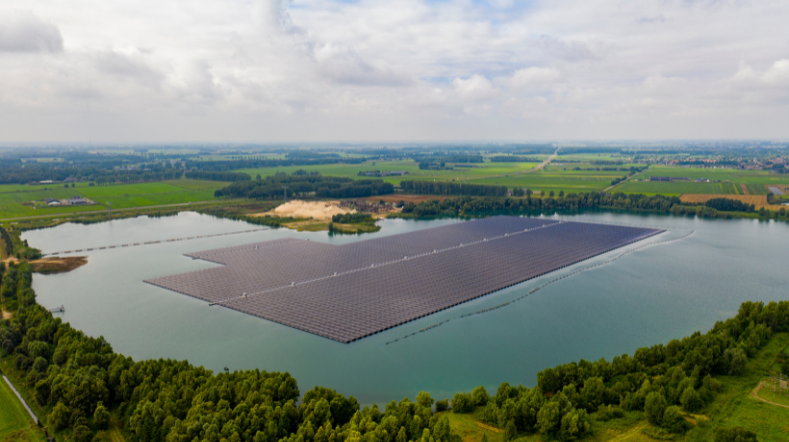
The most unique and risky aspect of floating solar, also known as floatovoltaics, is the necessity of keeping the system stable and in place under all weather conditions. The anchoring and buoyancy are the Achilles’ heel of the installation.
The complex challenge of anchoring
A floating solar installation must withstand extreme forces: wind, waves, and, in reservoirs, rapid fluctuations in water level.
- Design for water level difference: in hydroelectric dams or irrigation reservoirs, water levels can vary by many meters. The anchoring system must be able to accommodate this dynamic range without putting undue stress on the cables or anchoring lines.
- Material failure: corrosion, wear and tear, and stress breakage of the anchoring lines or chains are major risks. The failure of a single anchoring point can lead to a domino effect where large sections of the installation drift away or suffer damage.
- Prevention: a redundant anchoring system is essential. Furthermore, it is crucial to have periodic underwater inspections carried out by specialized divers to validate the condition of the anchors and chains.
Buoyancy and system stability
The floating system (the floats) must maintain their integrity for the entire project duration. Due to UV degradation or manufacturing defects, floats can absorb water, leading to instability and sinking damage. This can cause the electrical cabling to become energized.
Floating Solar insurance: specialization is necessary
The uncertainty of water, such as the failure of anchoring to unforeseen ecological requirements and logistically complex damages, demands an insurance partner who truly understands these risks. Our expertise in global PV project insurance ensures that unique risks on and around the water are fully and correctly covered. We look forward to hearing from you! 😊
📧 Email: support@solarif.com
☎️ Phone: +31 (0)26 711 5050