


Are floating solar panels safe for marine life?
Floating solar panels are generally safe for marine life when properly designed and installed. These systems create minimal direct harm to aquatic ecosystems and can actually provide some environmental benefits, such as reducing water evaporation and controlling algae growth. However, like any infrastructure project, floating solar installations do present certain solar panel risks that require careful inspection and monitoring to protect underwater ecosystems.
What are floating solar panels and how do they work on water?
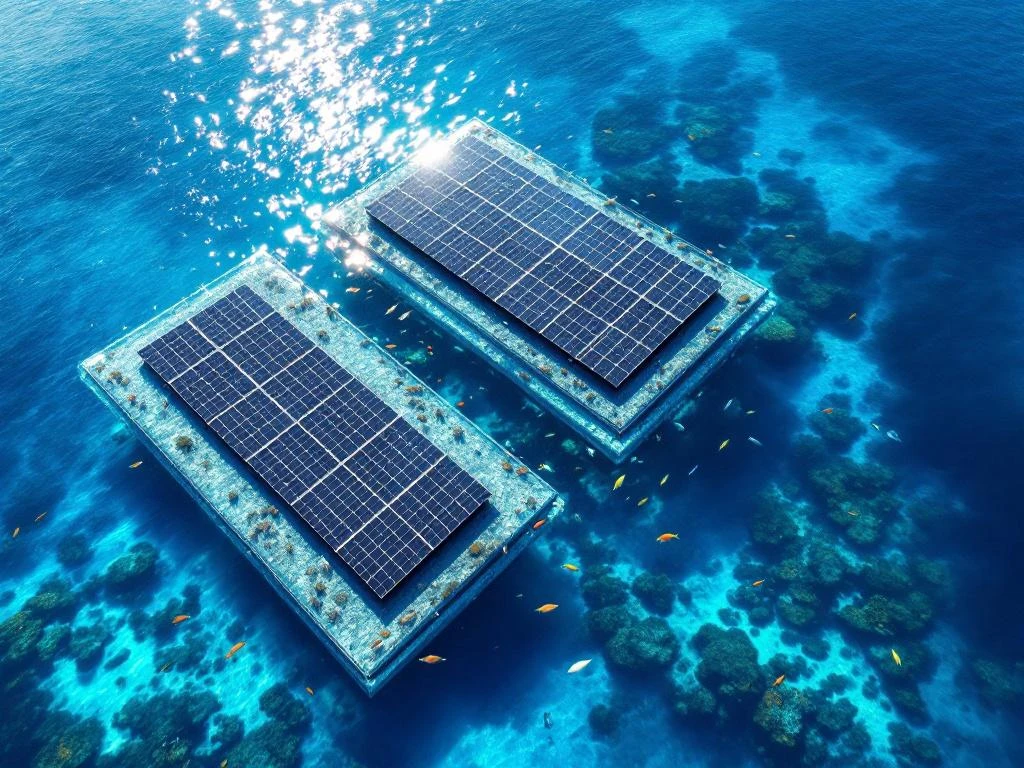
Floating solar panels, also known as floating photovoltaic (FPV) systems, are solar installations mounted on specially designed floating platforms that sit on water surfaces. These systems use high-density polyethylene floats and anchoring systems to keep the panels stable while generating renewable energy from reservoirs, lakes, and other water bodies.
The technology works similarly to ground-mounted solar panels but includes additional components for water deployment. Floating platforms support the solar panels while allowing them to move gently with water movement. Anchoring systems, typically using weighted chains or cables, keep the installation positioned correctly without restricting natural water flow patterns.
These installations have gained popularity because they do not require valuable land space and can actually improve solar panel efficiency through natural water cooling. The water surface provides consistent positioning and reduces dust accumulation compared with land-based systems.
Do floating solar panels harm fish and underwater ecosystems?
Research indicates that floating solar panels cause minimal direct harm to fish and underwater ecosystems when installations cover less than 40% of a water body’s surface. Fish populations typically adapt well to the partial shading, and many species actually benefit from the cooler water temperatures and reduced algae growth beneath the panels.
The main concerns involve changes to light penetration and water temperature gradients. Floating solar installations reduce direct sunlight reaching underwater vegetation, which can affect photosynthesis in submerged plants. However, studies show that fish breeding patterns remain largely unaffected, and oxygen levels stay within acceptable ranges when proper coverage limits are maintained.
Some fish species benefit from the artificial reef effect created by anchoring systems and support structures. These components can provide new habitat areas and shelter, though this varies depending on the specific ecosystem and installation design. The key factor is maintaining adequate open-water areas for natural ecosystem processes.
How do floating solar installations affect water quality and temperature?
Floating solar panels typically improve water quality by reducing surface water temperature by 1–3°C and significantly decreasing water evaporation rates. The shading effect limits algae bloom formation, which often improves overall water clarity and reduces harmful algal toxin production in nutrient-rich water bodies.
Temperature effects vary throughout the water column. Surface waters remain cooler under the panels, while deeper waters may experience less temperature variation. This thermal stratification can actually benefit certain aquatic species that prefer stable temperature conditions.
Water chemistry changes are generally positive. Reduced algae growth means lower pH fluctuations and more stable dissolved oxygen levels. The panels also protect water surfaces from direct rainfall impact, reducing erosion and sediment disturbance in shallow areas.
However, installations must be properly sized to prevent excessive shading. Complete surface coverage can lead to oxygen depletion and harm beneficial bacteria that require sunlight for photosynthetic processes.
What safety measures protect marine life during floating solar projects?
Environmental protection protocols for floating solar projects include comprehensive impact studies, seasonal installation timing, and ongoing ecosystem monitoring. These measures help identify and address potential solar panel risks before they affect marine life through proper inspection and assessment procedures, ensuring installations remain environmentally responsible throughout their operational lifetime.
Installation guidelines require environmental impact studies before construction begins. These assessments evaluate local fish populations, water quality baselines, and sensitive habitat areas. Projects typically avoid installation during fish spawning seasons and maintain buffer zones around critical habitat areas.
Design features specifically protect aquatic life through several approaches:
- Maximum coverage limits (usually 40% of water surface area)
- Corridors between panel arrays for wildlife movement
- Anchoring systems designed to minimise bottom disturbance
- Non-toxic materials for all water-contact components
- Monitoring systems for water quality parameters
Regular monitoring requirements include quarterly water quality testing, annual fish population surveys, and vegetation assessments. These protocols help detect any negative impacts early and allow for corrective measures if needed.
Are there any benefits floating solar panels provide to aquatic environments?
Floating solar panels provide several environmental benefits, including reduced water evaporation (up to 30% less water loss), improved water quality through algae control, and habitat creation opportunities. These positive impacts often outweigh the minimal risks when installations are properly designed and managed.
Water conservation represents the most significant benefit. The panels create shade that dramatically reduces evaporation, helping maintain water levels in reservoirs and irrigation ponds. This proves particularly valuable in drought-prone regions where water conservation is critical.
Algae bloom prevention improves water quality for both wildlife and human use. By limiting sunlight penetration, floating solar reduces the conditions that promote harmful algal blooms. This leads to clearer water, reduced toxin production, and better conditions for fish and other aquatic life.
The installations can create microhabitat opportunities. Birds often use the panels as perching and nesting sites, while the underwater structures provide shelter for smaller fish species. Some installations incorporate specific design features, such as nesting boxes or fish habitat structures, to enhance these benefits.
How Solarif helps with floating solar environmental assessments
We specialise in conducting comprehensive environmental impact assessments and quality inspections for floating solar projects, ensuring marine ecosystem protection and regulatory compliance. Our approach combines technical expertise with environmental responsibility to help you develop floating solar installations that support both renewable energy goals and aquatic ecosystems.
Our environmental assessment services include:
- Pre-installation ecosystem impact studies and baseline water quality assessments
- Risk management inspections specifically designed for floating solar installations, including Scios Scope 12, Scope 8, and Scope 10 inspections
- Factory and batch inspections for floating photovoltaic system components
- Drone inspections for ongoing monitoring of floating installations
- Insurance brokerage services with coverage that includes environmental liability protection
As insurance brokers specialising in renewable energy projects, we understand that environmental compliance is not just about regulatory requirements – it is about ensuring your floating solar project remains bankable and sustainable throughout its operational life. Our comprehensive approach helps you navigate both environmental responsibilities and insurance requirements effectively.
Ready to develop an environmentally responsible floating solar project? Contact our environmental assessment specialists today to discuss how we can help you balance renewable energy generation with marine ecosystem protection.
Insurance and inspection needs for your BESS?
Contact us today if you want to know more about the possibilities in BESS insurance and Scope inspections.
📧 Email: support@solarif.com
☎️ Phone: +31 (0)26 711 5050