



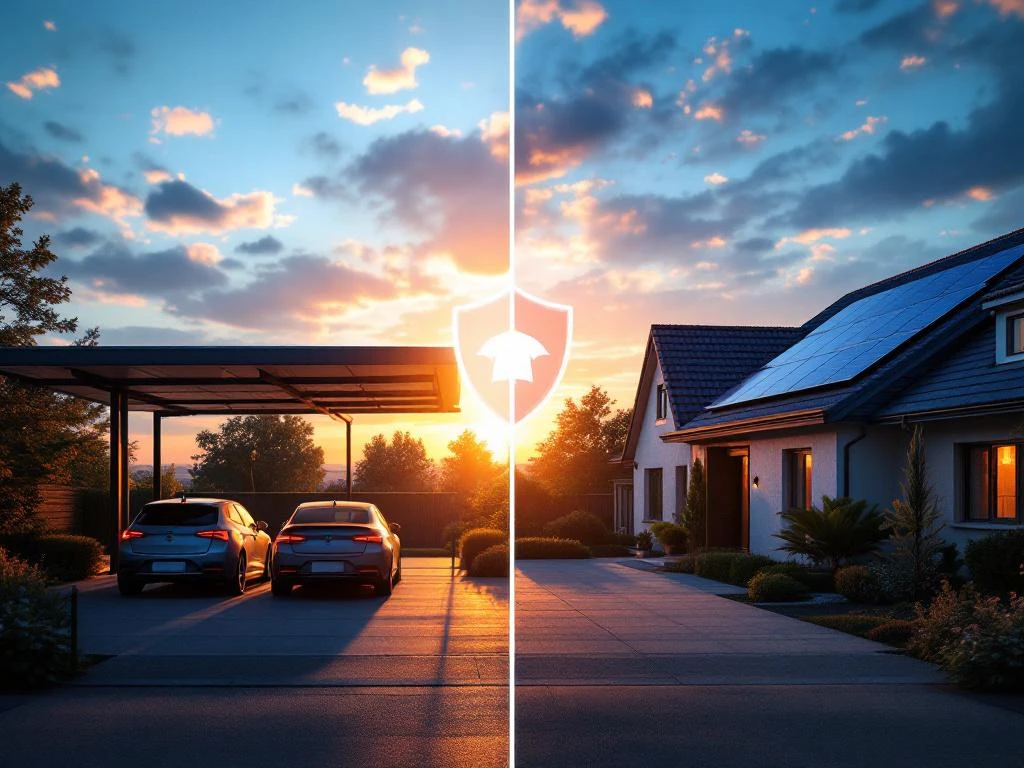
Are solar carports insured differently than rooftop solar?
Solar carports and rooftop solar installations require different insurance approaches due to their distinct structural characteristics and risk profiles. Solar carports face unique challenges, including vehicle collision potential, increased environmental loads, and public access liability concerns that do not affect traditional rooftop systems. Insurance companies assess these installations differently, often requiring specialized coverage provisions and inspection-based risk mitigation measures.
What exactly are solar carports and how do they differ from rooftop installations?
Solar carports are elevated structures that combine parking facilities with solar energy generation by mounting photovoltaic panels on canopies above parking spaces. Unlike rooftop installations that utilize existing building structures, carports require independent foundations and structural frameworks designed to support both solar panels and weather loads.
The key differences lie in their structural independence and dual functionality. Rooftop systems benefit from existing building support and protection, while carports must withstand environmental forces as standalone structures. Carports also provide direct public access underneath the installation, creating different liability considerations compared to rooftop systems that typically have restricted access.
Mounting methods vary significantly between these systems. Rooftop installations use ballasted or penetrating mounts that work with existing roof structures, while carports require engineered foundations and structural steel frameworks. This structural complexity affects both installation costs and insurance considerations, as carports need more comprehensive structural coverage.
Why do insurance companies view solar carports differently than rooftop solar?
Insurance companies assess carports as higher-risk installations due to their structural complexity and exposure factors. The standalone nature of carports means they lack the protection that building structures provide to rooftop systems, making them more vulnerable to weather damage and requiring different underwriting approaches.
Assessment factors include the increased liability exposure from public access areas beneath carports. People regularly walk and drive under these structures, creating potential third-party liability claims that do not exist with rooftop installations. Insurance underwriters must consider both property damage and liability exposure when evaluating carport projects.
The structural engineering requirements also influence insurance decisions. Carports need independent foundations capable of handling uplift forces, snow loads, and seismic forces without building support. This complexity requires specialized structural coverage that goes beyond typical rooftop solar insurance provisions.
What specific risks do solar carports face that rooftop systems do not?
Vehicle collision presents the most obvious unique challenge for solar carports. Cars, trucks, and emergency vehicles operating beneath the structure can cause significant damage through direct impact or by striking support columns, creating repair costs and safety hazards not present in rooftop installations.
Weather loads affect carports differently due to their open design and height. The elevated position and lack of building protection create increased environmental exposure that can cause panel damage, structural stress, or complete system failure. Rooftop systems benefit from building mass and often have protective barriers that carports lack.
Foundation requirements create additional challenges related to soil conditions, drainage, and settlement. Unlike rooftop systems that use existing structural support, carports depend on purpose-built foundations that can fail due to poor soil conditions, inadequate drainage, or construction defects. These foundation issues can affect the entire installation’s stability.
Maintenance accessibility challenges also create unique concerns. While rooftop systems may have restricted access, carports require maintenance work above active parking areas, creating safety considerations for both maintenance workers and the public below.
How do coverage requirements differ between carport and rooftop solar insurance?
Carport insurance requires comprehensive structural coverage that extends beyond the solar equipment to include foundations, support structures, and architectural elements. Rooftop solar insurance typically focuses on the panels, inverters, and mounting systems, relying on existing building insurance for structural support.
Liability coverage represents a major difference between the two installation types. Carports need enhanced liability protection covering third-party injuries or property damage in public access areas. This includes coverage for falling debris, structural collapse, or weather-related incidents affecting people or vehicles below the installation.
Business interruption coverage also differs significantly. Carport damage can affect both energy production and parking operations, requiring dual-purpose coverage that rooftop systems do not need. Insurance policies must address lost parking revenue alongside energy production losses when calculating business interruption benefits.
Environmental coverage becomes more important for carports due to their ground-level impact. Policies need provisions for soil contamination, drainage issues, or environmental damage that can occur during construction or operation of ground-mounted support structures.
What factors affect solar carport insurance premiums compared to rooftop systems?
Installation complexity significantly impacts premium calculations for carport systems. The additional structural engineering, foundation work, and specialized mounting systems increase both project value and potential claim costs, leading to higher premium rates compared to rooftop installations.
Location factors weigh more heavily in carport insurance pricing. Environmental exposure ratings, seismic activity levels, and soil conditions directly affect carport profiles more than rooftop systems. Areas with severe weather conditions or unstable soil conditions can see substantially higher premiums for carport installations.
Public access considerations add liability premium components that rooftop systems avoid. Insurance companies factor in pedestrian traffic, vehicle density, and public safety measures when calculating premiums. Carports in high-traffic areas typically face higher liability premiums than those in restricted-access locations.
Inspection services can help control premium costs. Installing protective barriers, implementing regular structural inspections, and maintaining clear access routes can demonstrate safety measures to insurers and potentially reduce premium rates.
How Solarif helps with solar carport insurance solutions
We specialize in comprehensive insurance solutions for both solar carports and rooftop installations, understanding the unique profiles and coverage needs of each system type. Our expertise in renewable energy insurance allows us to provide tailored coverage that addresses the specific challenges carport installations face.
Our carport insurance services include:
- Specialized structural coverage for foundations, support systems, and architectural elements
- Enhanced liability protection for public access areas and third-party exposure
- Comprehensive business interruption coverage addressing both energy and parking revenue losses
- Risk Management inspection services, including structural evaluations and safety assessments
- Claims support with expertise in both solar equipment and structural damage
We work with A-rated insurers who understand renewable energy projects and can provide competitive rates for carport installations. Our Scope 12 inspection services help ensure your carport installation meets insurer requirements, which is particularly important for commercial solar projects where insurers require these safety standards.
Ready to protect your solar carport investment? Contact our renewable energy insurance specialists today for a comprehensive assessment and a tailored insurance quote that addresses your specific installation requirements.
Insurance and inspection needs for your BESS?
Contact us today if you want to know more about the possibilities in BESS insurance and Scope inspections.
📧 Email: support@solarif.com
☎️ Phone: +31 (0)26 711 5050