



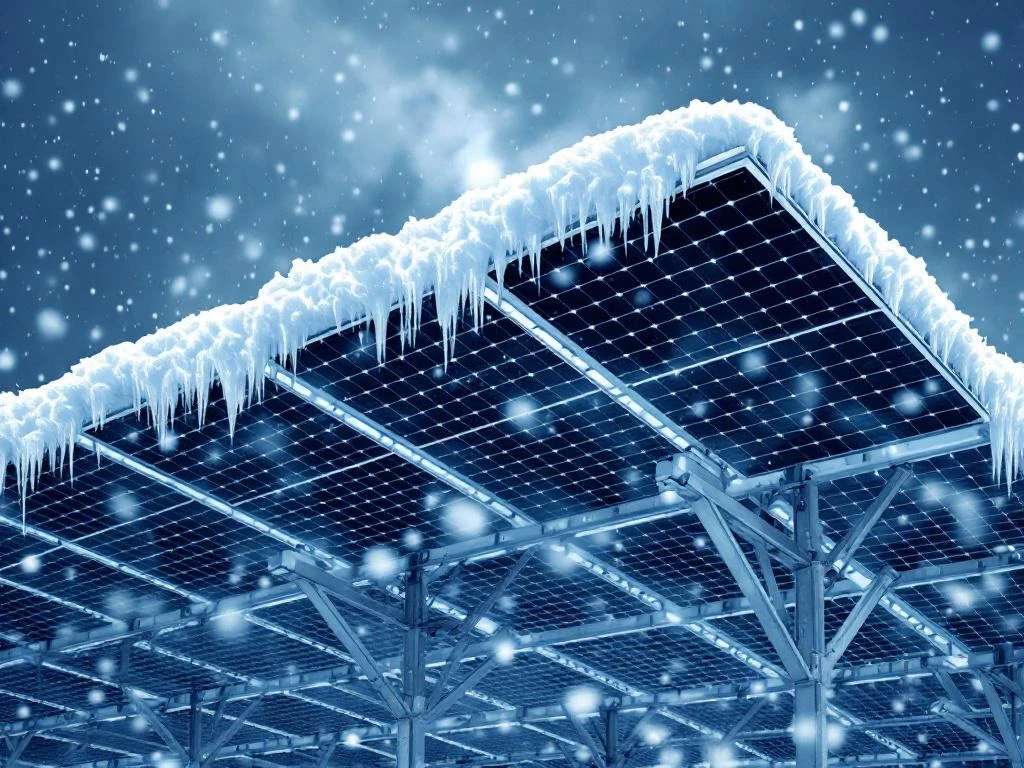
Are solar carports safe in heavy snow?
Solar carports are generally safe in heavy snow when they are properly engineered and designed for local climate conditions. Their safety depends on structural calculations that account for snow loads, proper installation by certified professionals, and adherence to local building codes. Well-designed solar carports can handle significant snow accumulation, but failures occur when installations lack proper engineering or use inadequate materials for the expected weather conditions.
What exactly are solar carports and how do they handle weather?
Solar carports are elevated structures that combine parking coverage with solar energy generation. They feature a canopy of solar panels supported by a steel or aluminum framework, typically standing 8–14 feet high to allow vehicle access underneath.
These structures are engineered to withstand various weather conditions through careful structural design. The framework distributes loads across multiple support columns, while the angled panel configuration helps shed snow and rain naturally. Engineers calculate snow loads and seismic forces during the design phase to ensure the structure can handle local weather extremes.
The mounting system secures panels to the framework using clamps and rails designed for thermal expansion and contraction. Proper drainage systems prevent water accumulation, while the elevated design allows air to circulate underneath, reducing structural stress during storms.
How much snow weight can solar carports actually support?
Solar carports typically support snow loads ranging from 20–70 pounds per square foot, depending on local building code requirements and structural design. Engineers calculate these loads based on historical weather data and safety factors for each specific location.
Snow load calculations consider both the weight of accumulated snow and additional factors like ice formation and snow drifting. Fresh snow weighs approximately 5–20 pounds per cubic foot, while packed snow can reach 20–40 pounds per cubic foot. Ice adds significantly more weight at roughly 57 pounds per cubic foot.
The actual capacity depends on several factors:
- Structural design – beam sizes, column spacing, and foundation depth
- Material specifications – steel grade and aluminum alloy strength
- Local climate requirements – building codes mandate minimum snow loads
- Safety factors – engineers typically design for 1.5–2 times expected loads
Engineers design carports to meet or exceed local building codes, which specify minimum snow loads based on regional climate data and elevation.
What happens to solar carports during heavy snowfall?
Well-designed solar carports perform reliably during heavy snowfall by distributing weight evenly across the structure and allowing natural snow shedding. The angled panels encourage snow to slide off gradually, preventing excessive accumulation that could overload the structure.
During snowfall, properly engineered carports experience predictable deflection within acceptable limits. The structure flexes slightly under load but returns to its original position as snow melts or slides off. This controlled movement is accounted for in the engineering calculations.
Safety mechanisms built into quality designs include:
- Redundant load paths that redistribute weight if one component experiences stress
- Controlled deflection limits that prevent structural failure
- Panel mounting systems that allow thermal movement without compromising integrity
- Foundation designs that transfer loads safely to the ground
Snow accumulation patterns vary based on panel tilt angle, with steeper angles promoting faster shedding. However, this must be balanced against optimal solar energy production angles for the location.
Why do some solar carports fail in snow while others don’t?
Solar carport failures in snowy conditions typically result from inadequate engineering calculations, substandard materials, or improper installation practices. The most common issues include underestimating local snow loads, using insufficient structural members, or poor foundation design.
Common design flaws include:
- Inadequate snow load calculations – failing to account for local climate extremes or snow-drifting patterns
- Undersized structural components – using beams or columns insufficient for expected loads
- Poor foundation design – inadequate depth or reinforcement for soil conditions
- Substandard materials – using lower-grade steel or aluminum than specified
Installation mistakes that compromise snow safety include improper bolt torque, misaligned structural members, and inadequate quality control during construction. Some installers lack experience with structural requirements, focusing primarily on electrical aspects while overlooking mechanical engineering needs.
Quality differences in construction materials significantly impact performance. High-grade galvanized steel and marine-grade aluminum resist corrosion and maintain strength over time, while cheaper alternatives may weaken and fail under repeated loading cycles.
How do you know if a solar carport is properly designed for your area’s snow conditions?
A properly designed solar carport for your area should include structural calculations stamped by a licensed engineer who has analyzed local snow load requirements. The design documents should specify the exact snow loads used in calculations and demonstrate compliance with local building codes.
Key specifications to verify include:
- Snow load rating – must meet or exceed local building code requirements
- Structural drawings with member sizes and material specifications
- Foundation design appropriate for local soil conditions and frost depth
- Load calculations that account for local weather patterns
Questions to ask contractors include their experience with similar projects in your climate zone, whether they provide stamped engineering drawings, and their installation certification credentials. Request references from projects in similar snow conditions and verify their insurance coverage.
Red flags to avoid include contractors who cannot provide engineering calculations, offer significantly lower prices without explanation, or suggest designs that seem inadequate for your climate. Be wary of installers who focus only on solar aspects without demonstrating structural expertise.
How Solarif helps with solar carport safety and inspections
We provide comprehensive quality inspection services and Risk Management inspections to ensure solar carports meet safety standards for local weather conditions, including snow load requirements. Our certified inspectors conduct thorough evaluations of structural integrity, installation quality, and compliance with engineering specifications.
Our solar carport inspection services include:
- Scios Scope 12 inspections – detailed structural and electrical assessments required by commercial insurers
- Scios Scope 8 inspections – targeted assessments of installation quality and safety compliance
- Scios Scope 10 inspections – comprehensive evaluations of system performance and structural integrity
- Factory inspections – quality verification of components before installation
- Batch inspections – systematic evaluation of multiple installations or components
- Drone inspections – comprehensive aerial documentation and assessment
As an insurance broker specializing in renewable energy projects, we help you navigate insurer requirements and identify potential installation issues before they become problems. Our inspections provide the documentation needed for insurance coverage while ensuring your installation can safely handle local snow conditions.
Ready to ensure your solar carport project meets safety standards? Contact our solar inspection specialists today for a comprehensive inspection assessment and learn how proper evaluation protects your investment against weather-related issues.
Insurance and inspection needs for your BESS?
Contact us today if you want to know more about the possibilities in BESS insurance and Scope inspections.
📧 Email: support@solarif.com
☎️ Phone: +31 (0)26 711 5050