



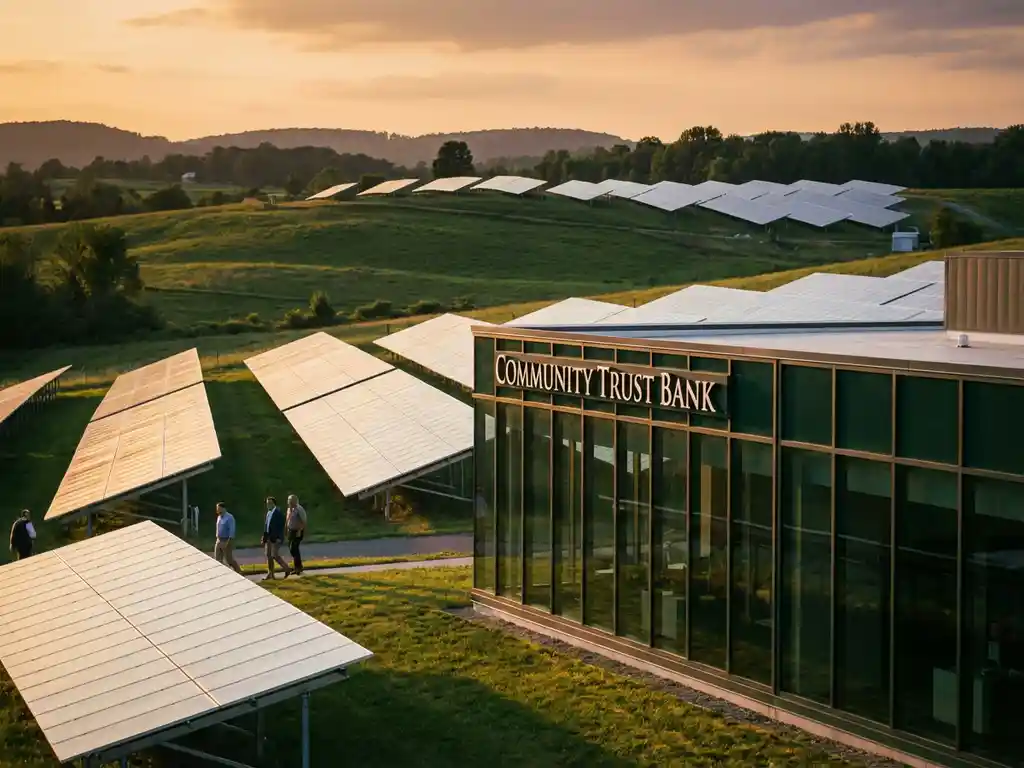
Can community solar projects achieve bankability?
Community solar projects represent a growing segment of the renewable energy market, offering shared solar benefits to multiple participants without requiring individual rooftop installations. However, securing financing for these projects requires meeting strict bankability criteria that differ significantly from those for traditional solar developments. Understanding these requirements is essential for developers, investors, and stakeholders looking to participate in the community solar market.
Bankability determines whether a project can secure debt financing from institutional lenders, making it a critical factor in project viability. For community solar projects, this involves navigating unique challenges related to subscriber management, revenue streams, and regulatory frameworks that traditional utility-scale projects do not face.
What does bankability mean for community solar projects?
Bankability for community solar projects means the ability to secure debt financing from institutional lenders based on predictable cash flows, manageable risks, and proven operational models. A bankable community solar project demonstrates stable subscriber revenue, regulatory compliance, and sufficient credit quality to support long-term debt service.
The bankability assessment for community solar projects focuses on several key factors that distinguish them from other solar developments. Revenue predictability is the primary concern, as these projects depend on subscriber payments rather than traditional power purchase agreements with utilities. Lenders evaluate the creditworthiness of subscriber portfolios, customer acquisition costs, and churn rates to determine cash flow stability.
Regulatory framework stability also plays a crucial role in bankability assessments. Community solar programs operate under state-specific policies that can change, affecting project economics. Lenders require confidence that regulatory support will remain consistent throughout the project’s financing term, typically 15–20 years.
Technical and operational risks must be clearly defined and mitigated. This includes standard solar project risks such as equipment performance and weather variability, as well as community solar-specific challenges such as subscriber management systems, billing coordination with utilities, and customer service operations.
What are the main barriers to community solar bankability?
The main barriers to community solar bankability include subscriber concentration risk, regulatory uncertainty, limited operational track records, and complex revenue structures that make cash flow projections challenging for lenders to evaluate with confidence.
Subscriber concentration represents a significant challenge when a small number of subscribers account for a large portion of project revenue. Lenders worry about the impact of major subscriber departures on cash flows. Unlike utility-scale projects with a single, creditworthy offtaker, community solar projects may have dozens or hundreds of subscribers with varying credit profiles.
Regulatory and policy risks create additional barriers. Community solar programs depend on state legislation and utility cooperation, both of which can change. Net metering policies, virtual net metering structures, and renewable energy credit values all affect project economics and can shift based on political and regulatory developments.
Limited operational history makes risk assessment difficult. Many community solar developers lack extensive track records in managing subscriber portfolios, leading to uncertainty about customer acquisition costs, retention rates, and operational expenses. This operational complexity extends to billing systems, customer service requirements, and coordination with utility partners.
Revenue structure complexity also hinders bankability. Community solar projects often combine subscriber payments, renewable energy credit sales, and utility compensation through various mechanisms. This multi-stream revenue model requires sophisticated financial modeling and creates more variables for lenders to analyze than traditional power purchase agreements do.
How do lenders assess risk in community solar projects?
Lenders assess risk in community solar projects by evaluating subscriber portfolio quality, operational track records, regulatory stability, and technical performance alongside traditional solar project risks such as equipment reliability and resource availability.
Subscriber portfolio analysis forms the foundation of risk assessment. Lenders examine subscriber creditworthiness using metrics similar to those used in residential or commercial lending. They evaluate the diversity of the subscriber base, average contract terms, historical churn rates, and the credit quality of anchor subscribers who may represent significant portions of project revenue.
Revenue stream stability receives intense scrutiny. Lenders analyze the payment mechanisms, including how subscribers are billed, collection procedures, and the role of utilities in the billing process. They assess whether subscriber payments are backed by utility bill credits or require separate collection efforts, as this affects payment reliability.
Operational risk evaluation focuses on the developer’s ability to manage ongoing subscriber relationships. This includes customer acquisition strategies, retention programs, billing system reliability, and customer service capabilities. Lenders want evidence that developers can maintain subscriber satisfaction and minimize churn throughout the project’s operating life.
Technical and regulatory due diligence mirrors traditional solar project assessment but with additional focus on community solar-specific regulations. Lenders evaluate interconnection agreements, utility cooperation levels, and the stability of state community solar programs. They also assess whether projects comply with subscriber location requirements and other program-specific rules.
What financing structures work best for community solar?
The most successful financing structures for community solar projects combine institutional debt with tax equity partnerships, often supplemented by developer equity or mezzanine financing to bridge gaps in traditional project finance structures.
Tax equity partnerships remain essential for community solar projects, as they provide access to federal investment tax credits and accelerated depreciation benefits. However, tax equity investors often require higher returns for community solar projects due to perceived operational complexity and subscriber risk, making these partnerships more expensive than traditional solar deals.
Construction and term debt structures have evolved to accommodate community solar risks. Many lenders now offer construction-to-permanent financing that converts to term debt once projects achieve specified subscriber milestones. This approach reduces construction risk while providing long-term financing contingent on operational success.
Portfolio financing approaches are gaining traction as developers build track records across multiple projects. Lenders increasingly view community solar developers with proven operational capabilities as suitable candidates for portfolio-level financing, which can reduce costs and streamline the financing process for experienced developers.
Alternative financing mechanisms include subscriber prepayment programs, in which customers pay upfront for long-term energy credits, providing immediate project capital. Some developers also use revenue-based financing or lease structures that better align with the subscription revenue model.
How can developers improve community solar project bankability?
Developers can improve community solar project bankability by building strong operational track records, securing creditworthy anchor subscribers, implementing robust subscriber management systems, and partnering with experienced operators to demonstrate proven business models to lenders.
Establishing operational credibility requires demonstrating successful subscriber acquisition and retention across multiple projects. Developers should maintain detailed records of customer acquisition costs, churn rates, collection efficiency, and customer satisfaction metrics. This operational data helps lenders understand and model project cash flows more accurately.
Securing anchor subscribers with strong credit profiles significantly enhances project bankability. Large commercial or institutional subscribers can provide revenue stability and reduce portfolio risk. Many successful community solar projects include municipalities, schools, or businesses as anchor subscribers, providing 20–50% of project capacity through long-term commitments.
Investing in robust subscriber management systems and processes demonstrates operational sophistication. This includes automated billing systems, customer service capabilities, and integration with utility billing platforms. Developers should also establish clear procedures for subscriber onboarding, contract management, and collections.
Risk mitigation strategies can address lender concerns about subscriber concentration and churn. These may include subscriber replacement guarantees, minimum revenue floors, or insurance products that protect against subscriber default. Some developers also maintain waiting lists of potential subscribers to quickly replace departing customers.
How Solarif helps with community solar project bankability
We understand that community solar projects face unique risks that can affect their bankability and financing prospects. Our specialized insurance solutions and risk management services help developers and investors address the key concerns lenders have about community solar projects.
Our services specifically support community solar bankability through:
- Comprehensive risk insurance covering technical, operational, and business interruption risks that affect subscriber revenue
- Performance insurance protecting against equipment underperformance that could affect subscriber savings
- Detailed risk assessments and quality inspections that provide lenders with confidence in project technical integrity
- Surety bonds supporting construction and operational phases, reducing lender concerns about project completion and performance
With more than 15 years of experience in solar project insurance and 3.8 GW of insured capacity, we help developers present bankable projects to lenders by addressing the risk factors that typically concern institutional financiers. Ready to enhance your community solar project’s bankability? Contact our renewable energy insurance specialists today for a comprehensive risk assessment and a tailored insurance solution.
Insurance and inspection needs for your BESS?
Contact us today if you want to know more about the possibilities in BESS insurance and Scope inspections.
📧 Email: support@solarif.com
☎️ Phone: +31 (0)26 711 5050