



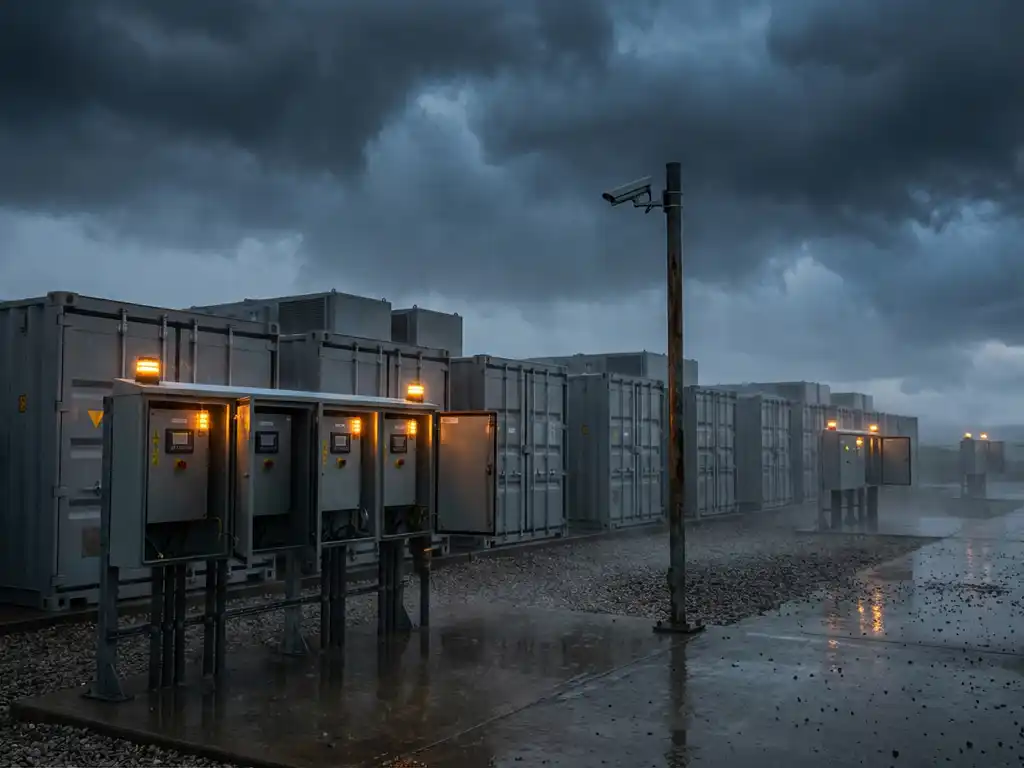
Can cybersecurity threats compromise BESS safety?
Battery Energy Storage Systems (BESS) have become critical infrastructure for renewable energy projects, but their digital connectivity and control systems create new cybersecurity vulnerabilities. As these systems store massive amounts of energy and connect to both local networks and the broader electrical grid, cyberattacks can potentially compromise not just data security, but physical safety as well.
Understanding the intersection of cybersecurity threats and BESS safety is essential for project developers, investors, and operators who need to protect both their digital assets and physical infrastructure from increasingly sophisticated cyber threats.
What are the main cybersecurity threats facing BESS installations?
BESS installations face four primary cybersecurity threats: malware targeting control systems, unauthorized remote access through network vulnerabilities, data theft from monitoring systems, and denial-of-service attacks that disrupt operations. These threats exploit the interconnected nature of modern battery storage systems.
Malware represents one of the most serious risks, as it can infiltrate the Battery Management System (BMS) or Energy Management System (EMS) through infected software updates, compromised maintenance devices, or network connections. Once inside, malware can alter safety parameters, disable protective functions, or cause erratic charging and discharging cycles.
Network intrusions occur when attackers exploit weak authentication protocols, unpatched software vulnerabilities, or insecure remote access points. Many BESS installations rely on remote monitoring and control capabilities, creating potential entry points for unauthorized users who could manipulate system operations or steal sensitive operational data.
Data theft poses significant commercial and operational risks, as attackers may target proprietary algorithms, performance data, or grid integration strategies. This information could provide competitive advantages to bad actors or reveal system vulnerabilities for future attacks.
Distributed denial-of-service (DDoS) attacks can overwhelm communication networks, preventing legitimate control signals from reaching the BESS or blocking critical safety alerts from being transmitted to operators.
How can cyberattacks compromise BESS physical safety?
Cyberattacks can compromise BESS physical safety by manipulating thermal management systems, disabling safety interlocks, causing electrical faults through improper charging protocols, and preventing emergency shutdown procedures. These digital intrusions can trigger real-world hazards, including fires, explosions, and toxic gas releases.
Thermal runaway represents the most dangerous physical consequence of cyber manipulation. Attackers who gain control of the BMS could disable temperature monitoring, override cooling systems, or force rapid charging beyond safe limits. Lithium-ion batteries generate significant heat during operation, and without proper thermal management, individual cells can overheat and trigger a cascading failure throughout the battery pack.
Safety interlock systems, designed to automatically disconnect power during fault conditions, are vulnerable targets for cyber attackers. By disabling these protective mechanisms, malicious actors could prevent the BESS from safely shutting down during emergencies, allowing dangerous conditions to persist and escalate.
Electrical system manipulation poses additional risks, as cyber attackers could force the Power Conversion System (PCS) to operate outside safe parameters. This might include creating voltage spikes, frequency deviations, or power quality issues that could damage equipment or create arc-flash hazards for maintenance personnel.
Emergency response capabilities can also be compromised when cyberattacks target communication systems, preventing operators from receiving critical alerts or remotely initiating emergency procedures during safety incidents.
What makes BESS systems particularly vulnerable to cyber threats?
BESS systems are particularly vulnerable to cyber threats due to their complex, interconnected architecture, remote monitoring requirements, legacy industrial control protocols, and integration with multiple third-party systems. Unlike traditional energy infrastructure, BESS installations rely heavily on digital communications and software-based controls.
The multi-layered control architecture creates multiple attack vectors, as modern BESS installations integrate BMS, EMS, PCS, and SCADA systems that must communicate continuously. Each interface represents a potential entry point for cyber attackers, and the complexity makes it difficult to monitor all communication pathways effectively.
Remote connectivity requirements increase vulnerability, as operators need real-time access to system performance data and control capabilities. These remote access points, while essential for efficient operations, create pathways that attackers can exploit if they are not properly secured with robust authentication and encryption protocols.
Many BESS installations use industrial control protocols that were designed for isolated networks but now operate in connected environments. These legacy protocols often lack built-in security features, making them susceptible to interception, manipulation, or spoofing attacks.
Third-party integration adds complexity, as BESS systems must interface with grid operators, energy management platforms, weather monitoring systems, and maintenance software. Each connection point requires careful security configuration, and vulnerabilities in any connected system could provide access to the BESS infrastructure.
How do cybersecurity risks differ between utility-scale and commercial BESS?
Utility-scale BESS face greater cybersecurity risks due to their grid integration requirements, larger attack surfaces, and potential for widespread impact, while commercial BESS typically have simpler architectures but may lack dedicated cybersecurity resources. The differences in scale and connectivity create distinct risk profiles for each deployment type.
Utility-scale installations present high-value targets for nation-state actors and sophisticated cybercriminals due to their potential impact on grid stability and energy markets. These systems typically connect to multiple grid operators, participate in ancillary service markets, and integrate with transmission-level infrastructure, creating numerous communication pathways that require constant monitoring and protection.
Commercial BESS installations, while smaller in scale, often face resource constraints that limit their cybersecurity capabilities. Many commercial operators lack dedicated IT security staff and may rely on basic security measures provided by equipment manufacturers, potentially leaving systems vulnerable to automated attacks or opportunistic intrusions.
Network complexity differs significantly between the two scales. Utility-scale BESS typically implement redundant communication systems, multiple control centers, and sophisticated monitoring platforms that require enterprise-grade security measures. Commercial systems often use simpler network architectures but may connect to corporate IT networks, creating potential bridges between operational technology and business systems.
Regulatory oversight also varies, as utility-scale installations may be subject to NERC CIP standards or other grid security requirements, while commercial systems typically operate under less stringent cybersecurity frameworks.
What cybersecurity measures protect BESS from safety compromises?
Effective BESS cybersecurity protection requires network segmentation, multi-factor authentication, encrypted communications, regular security updates, and continuous monitoring systems. These layered defenses work together to prevent unauthorized access and detect potential threats before they can compromise physical safety.
Network segmentation isolates critical control systems from external networks and administrative systems. By creating separate network zones for BMS operations, EMS functions, and external communications, operators can limit the potential spread of cyberattacks and maintain control system integrity even if perimeter defenses are breached.
Strong authentication protocols ensure that only authorized personnel can access control systems. This includes multi-factor authentication for remote access, role-based access controls that limit user privileges, and regular credential rotation to prevent unauthorized access through compromised accounts.
Encrypted communication channels protect data in transit between system components and external monitoring platforms. This prevents attackers from intercepting control signals, manipulating data transmissions, or gaining insights into system operations that could inform future attacks.
Regular security updates and patch management address known vulnerabilities in control system software, firmware, and communication protocols. Establishing secure update procedures ensures that critical security patches can be applied without disrupting operations or creating new vulnerabilities.
Continuous monitoring systems track network traffic, system performance, and user activities to detect anomalous behavior that might indicate a cyberattack. These systems can automatically alert operators to potential threats and initiate protective measures before safety systems are compromised.
How should BESS operators respond to suspected cyber incidents?
BESS operators should immediately isolate affected systems, activate emergency protocols, document all evidence, notify relevant authorities, and engage cybersecurity experts for incident response. Quick action can prevent cyber incidents from escalating into physical safety emergencies while preserving evidence for investigation.
System isolation represents the first critical step, as operators must quickly determine which systems may be compromised and disconnect them from networks to prevent further spread. This may involve switching to manual control modes, disabling remote access capabilities, or physically disconnecting communication links while maintaining safe operating states.
Emergency protocol activation ensures that safety systems remain functional during the cyber incident response. This includes verifying that fire suppression systems, emergency shutdown capabilities, and personnel safety equipment continue to operate independently of potentially compromised control systems.
Evidence preservation requires careful documentation of system logs, network traffic, and operational data before taking corrective actions that might overwrite critical forensic information. This evidence is essential for understanding attack methods and preventing future incidents.
Authority notification may include local emergency services, grid operators, cybersecurity agencies, and insurance providers, depending on the incident’s severity and potential impacts. Many jurisdictions require prompt reporting of cybersecurity incidents affecting critical infrastructure.
Expert engagement brings specialized cybersecurity knowledge to incident response, as most BESS operators lack the internal expertise to fully investigate and remediate sophisticated cyberattacks. Professional incident response teams can quickly identify attack vectors, assess damage, and implement appropriate countermeasures.
How Solarif helps with BESS cybersecurity and safety protection
As a specialized insurance broker for renewable energy projects, we help BESS operators manage cybersecurity risks through comprehensive insurance solutions and risk management services. Our expertise in renewable energy security challenges enables us to connect projects with appropriate coverage and risk mitigation strategies.
Our cybersecurity and safety protection services include:
- Specialized cyber liability insurance policies that cover both digital assets and physical damage from cyberattacks
- Risk assessments that evaluate BESS cybersecurity vulnerabilities and safety implications
- Insurance solutions that incentivize robust cybersecurity measures through premium adjustments
- Expert connections with cybersecurity professionals and incident response specialists
- Ongoing support for risk management and insurance claim processes
With over 15 years of experience securing renewable energy projects and 3.8 GW of capacity protected, we understand the evolving cybersecurity landscape facing BESS installations. Contact our experts today to discuss comprehensive protection strategies for your battery energy storage investments.
Insurance and inspection needs for your BESS?
Contact us today if you want to know more about the possibilities in BESS insurance and Scope inspections.
📧 Email: support@solarif.com
☎️ Phone: +31 (0)26 711 5050