



How do manufacturing defects affect solar panel lifespan?
Manufacturing defects in solar panels can significantly reduce their expected 25-year lifespan through various mechanisms, including moisture ingress, electrical resistance issues, and accelerated degradation. These solar panel quality issues range from visible problems like discoloration to hidden defects such as micro-cracks that only become apparent through professional testing. Understanding how these solar panel manufacturing problems develop and impact performance helps you protect your commercial solar investment through proper risk management inspections.
What are the most common manufacturing defects in solar panels?
Micro-cracks, soldering issues, cell misalignment, encapsulant problems, and backsheet defects are among the most common manufacturing defects in solar panels. These solar panel defects impact performance differently, with some causing immediate issues while others develop gradually over time.
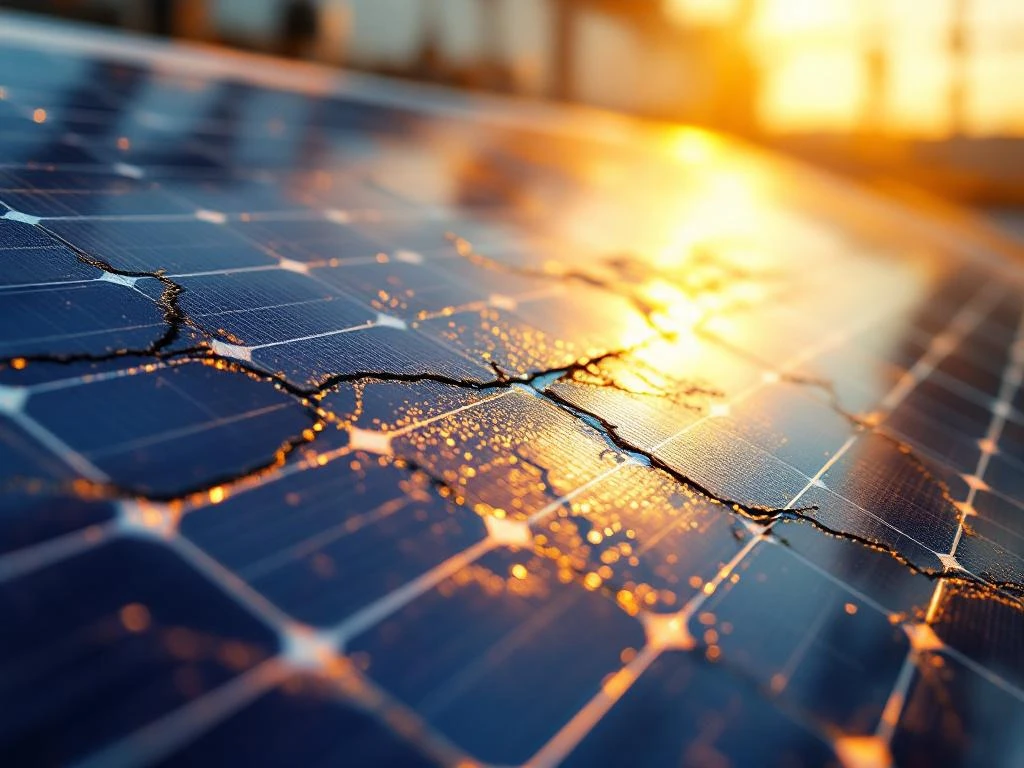
Micro-cracks occur during cell handling and assembly, creating hairline fractures that aren’t always visible to the naked eye. Soldering problems arise when connections between cells aren’t properly formed, leading to electrical resistance and hot spots. Cell misalignment during the lamination process can cause uneven stress distribution across the panel.
Encapsulant defects involve the protective material that surrounds solar cells. Poor encapsulation can allow moisture to penetrate the panel, while backsheet problems affect the rear protective layer. These manufacturing defects typically originate from inadequate quality control during production, rushed manufacturing processes, or substandard materials.
Many of these defects aren’t immediately visible during installation, which makes professional quality inspections particularly valuable for commercial solar projects.
How do manufacturing defects actually reduce solar panel lifespan?
Manufacturing defects accelerate degradation through moisture ingress, thermal cycling stress, and electrical resistance that compounds over time. Instead of maintaining performance for 25 years, defective panels may experience significant output reduction within 10–15 years.
Moisture ingress occurs when encapsulant or backsheet defects allow water to penetrate the panel. This moisture causes corrosion of electrical connections and can lead to delamination, where layers of the panel separate. Thermal cycling effects worsen existing micro-cracks as the panel expands and contracts with temperature changes throughout the day.
Electrical resistance issues from poor soldering create hot spots that generate additional heat stress. This accelerated aging process affects the photovoltaic cells’ ability to convert sunlight efficiently. The combination of these factors creates a cascading effect in which one problem amplifies others.
Solar panel durability depends heavily on the integrity of all components working together. When manufacturing defects compromise this integration, the entire system experiences premature aging that reduces both performance and lifespan.
What’s the difference between visible defects and hidden manufacturing problems?
Visible defects include discoloration, physical damage, and bubbling that you can see during inspection, while hidden problems such as micro-cracks and poor connections only become apparent through specialized testing or performance monitoring over time.
Visible defects are easier to identify during routine inspections. Discoloration often appears as brown or yellow spots on the panel surface, indicating encapsulant degradation. Physical damage includes obvious cracks, chips, or deformation of the panel structure. Bubbling occurs when the encapsulant material separates from other layers, creating air pockets.
Hidden manufacturing problems are more concerning because they can cause significant performance loss before becoming apparent. Micro-cracks may not affect initial output but worsen over time as thermal cycling causes them to expand. Poor internal connections create electrical resistance that generates heat without visible external signs.
Internal corrosion begins at the microscopic level and may not show external symptoms until substantial damage has occurred. These hidden defects often require thermal imaging, electrical testing, or performance analysis to detect, making professional inspections particularly important for commercial installations.
How can you identify manufacturing defects before they impact performance?
Visual inspection techniques, performance monitoring, thermal imaging, and professional inspection services can detect manufacturing defects early in a panel’s lifecycle, often before they cause noticeable performance degradation.
Visual inspection involves checking for obvious signs such as discoloration, physical damage, or bubbling. Look for a uniform appearance across all panels and check junction boxes for signs of overheating or corrosion. However, visual inspection alone cannot detect many hidden defects.
Performance monitoring tracks electrical output over time. Sudden drops in performance or inconsistent output between similar panels can indicate developing problems. Thermal imaging reveals hot spots that suggest electrical resistance or poor connections, even when panels appear normal visually.
Professional inspection services use specialized equipment to detect problems that aren’t visible during routine maintenance. These comprehensive assessments can identify micro-cracks, internal corrosion, and electrical issues before they significantly impact system performance.
Early detection allows you to address warranty claims while coverage is still valid and prevents small problems from developing into major system failures that require specialized insurance coverage.
When do manufacturing defects typically start affecting solar panel output?
Immediate issues appear within the first year, while hidden defects typically manifest between 5–10 years, depending on the type of manufacturing problem and environmental conditions.
Severe manufacturing defects such as major soldering problems or significant cell damage often cause performance issues within the first 12 months. These problems are usually covered under initial warranty terms if detected early through proper commissioning and performance testing.
Moderate defects, including minor encapsulant problems or small micro-cracks, typically begin affecting output between years 3–7. Environmental factors such as extreme temperatures, humidity, and thermal cycling accelerate the development of these issues.
Minor manufacturing imperfections may not impact performance until years 8–12, but can then cause rapid degradation once they reach a critical threshold. This delayed manifestation makes early detection through professional inspection particularly valuable.
The timeline varies significantly based on installation conditions, with harsh environments accelerating defect development and mild conditions potentially extending the time before problems become apparent.
How Solarif helps with solar panel quality assurance
We provide specialized inspections and insurance coverage that protects commercial solar investments from manufacturing defects throughout the project lifecycle.
Our services include:
- Scios Scope 12 inspections required by insurers for commercial solar installations
- Scios Scope 8 inspections that assess manufacturing quality and installation standards
- Scios Scope 10 inspections for ongoing performance monitoring
- Factory inspections that verify manufacturing quality standards before panels reach your project
- Batch inspections to identify quality issues in specific production runs
- Drone inspections for efficient assessment of large-scale installations
- Inherent Defect Coverage that compensates for manufacturing defects even if the manufacturer becomes insolvent
Our comprehensive approach covers consequential losses such as labor costs, transportation, and production loss that standard warranties don’t address. This coverage extends up to 20 years, providing long-term protection for your solar investment.
Ready to protect your commercial solar project from manufacturing defects? Contact our solar insurance specialists for specialized inspections and learn how our services can safeguard your investment.
Insurance and inspection needs for your BESS?
Contact us today if you want to know more about the possibilities in BESS insurance and Scope inspections.
📧 Email: support@solarif.com
☎️ Phone: +31 (0)26 711 5050