

Can hackers shut down solar panels remotely?
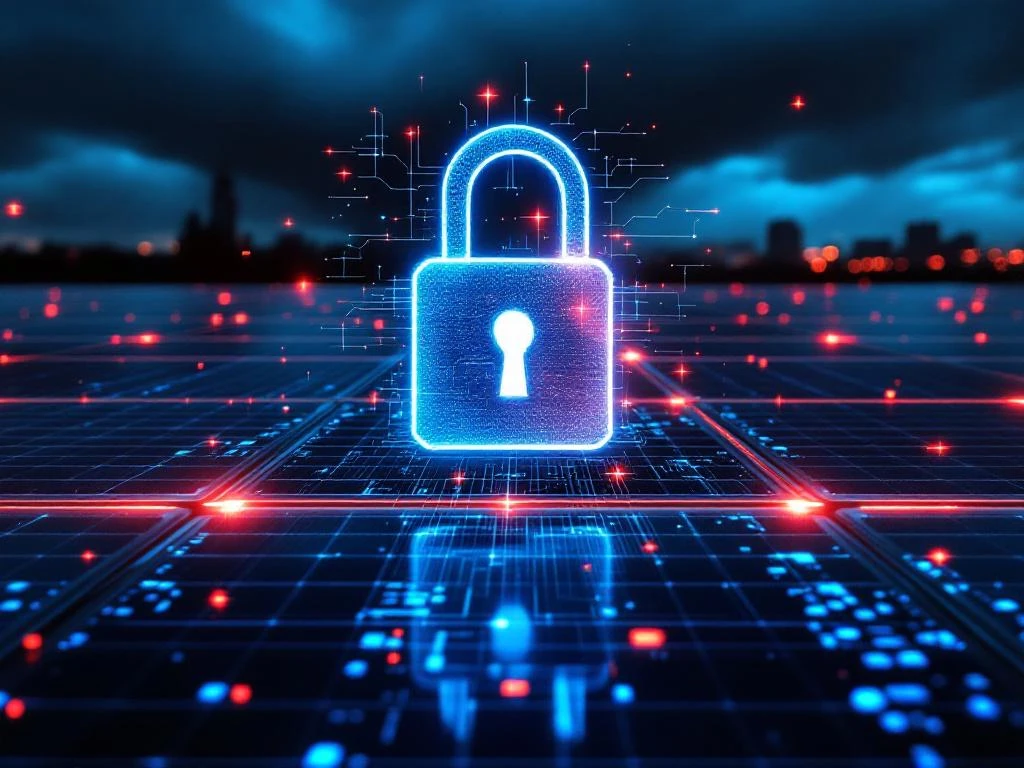
Yes, hackers can potentially shut down solar panels remotely, though the risk is relatively low for most installations. Solar systems connect to the internet through smart inverters and monitoring platforms, creating potential entry points for cybersecurity threats. While complete system shutdowns are possible, the more common risks involve performance manipulation or data theft rather than widespread grid disruption.
Can hackers actually access solar panels remotely?
Hackers can access solar panels remotely through smart inverters and monitoring systems that connect to the internet for performance tracking and system management. Modern solar installations rely on these connected devices to optimize energy production and provide real-time data to owners and operators.
The main pathways for remote access include internet-connected inverters that communicate with cloud-based monitoring platforms, wireless communication protocols used for system coordination, and network infrastructure that links multiple solar installations to central management systems. Smart inverters, which convert DC power from panels to AC power for the grid, often include built-in connectivity features that enable remote monitoring and control.
What hackers could theoretically do ranges from shutting down individual inverters to manipulating power output levels, accessing production data and system performance metrics, or disrupting communication between system components. However, the scope of potential damage depends heavily on the specific system architecture and security measures in place.
What makes solar energy systems vulnerable to cyberattacks?
Internet-connected inverters represent the primary vulnerability in solar installations, as they serve as the main communication gateway between solar panels and external networks. These devices often use standard networking protocols and may have default passwords or inadequate security configurations.
Monitoring software creates another weak point, particularly when it uses unsecured communication channels or stores sensitive data without proper encryption. Many solar monitoring platforms collect detailed information about energy production, system performance, and even building occupancy patterns that could be valuable to cybercriminals.
Communication protocols used in solar installations, such as Modbus or DNP3, were originally designed for reliability rather than security. Network infrastructure connecting multiple solar sites can also create vulnerabilities, especially when systems share network resources with other building management systems or connect to broader internet infrastructure without proper segmentation.
How serious are the actual risks of solar panel hacking?
The actual risks of solar panel hacking are relatively low compared to other cybersecurity threats, with few documented incidents of successful attacks causing significant damage. Most reported vulnerabilities remain theoretical or have been discovered and patched before widespread exploitation occurred.
Solar cybersecurity risks differ from those of other smart home technologies because solar systems typically have simpler functionality and fewer data collection points. Unlike smart home devices that may store personal information or provide access to home networks, solar systems primarily manage energy production data.
The renewable energy sector has recognized these potential risks and increasingly implements security measures during system design and installation. Professional installers now commonly include cybersecurity considerations in their planning processes, and equipment manufacturers regularly release firmware updates to address newly discovered vulnerabilities.
What happens if someone does hack into your solar system?
If hackers successfully breach your solar system, the most likely consequences include temporary system shutdowns or performance manipulation rather than permanent damage. Attackers might reduce power output, disrupt energy production schedules, or interfere with grid connection protocols.
Data theft represents another potential consequence, though solar systems typically contain limited sensitive information compared to other business systems. Hackers might access energy production data, system performance metrics, or basic operational information that could reveal building usage patterns.
More serious security breaches could potentially impact grid stability if multiple large-scale installations were compromised simultaneously, though current grid infrastructure includes safeguards to prevent cascading failures. Minor disruptions, such as temporary offline periods or reduced efficiency, are more realistic outcomes than catastrophic system failures.
How can you protect your solar panels from cyber threats?
Regular firmware updates provide the most important protection against solar panel cybersecurity threats, as manufacturers frequently release patches for newly discovered vulnerabilities. System owners should establish update schedules and work with installers who prioritize keeping equipment current.
Network segmentation helps limit potential damage by isolating solar systems from other business networks and internet-connected devices. This approach prevents hackers from using solar system access as a stepping stone to more sensitive systems.
Strong password policies and authentication measures protect against basic intrusion attempts. Change default passwords on all system components, use unique credentials for each device, and implement multi-factor authentication where available. Working with reputable installers who understand cybersecurity best practices ensures your system includes appropriate protective measures from the beginning. Professional inspection services through Risk Management can help identify potential vulnerabilities in your solar installation.
How Solarif helps with solar cybersecurity protection
We address solar cybersecurity concerns through comprehensive inspections that evaluate potential vulnerabilities in your renewable energy installations. Our quality inspection services include security evaluations as part of our Scios Scope 12 inspections, ensuring your solar systems meet both the performance and security standards required by insurers.
Our cybersecurity protection approach includes:
- Inspection-based vulnerability assessment – We evaluate cybersecurity risks alongside traditional solar installation risks during our Scios Scope 12, Scope 8, and Scope 10 inspections.
- Security-conscious partner network – We connect you with installers and equipment suppliers who prioritize cybersecurity best practices.
- Insurance coverage guidance – We help you understand cyber insurance options that protect against potential digital threats to your solar investments.
- Incident response support – Our cyber insurance coverage includes access to specialized IT experts who can help restore systems and manage security incidents.
Contact our renewable energy insurance specialists today to discuss comprehensive protection for your solar installations, including cybersecurity coverage that safeguards your investment against both traditional and digital risks.
Insurance and inspection needs for your BESS?
Contact us today if you want to know more about the possibilities in BESS insurance and Scope inspections.
📧 Email: support@solarif.com
☎️ Phone: +31 (0)26 711 5050