



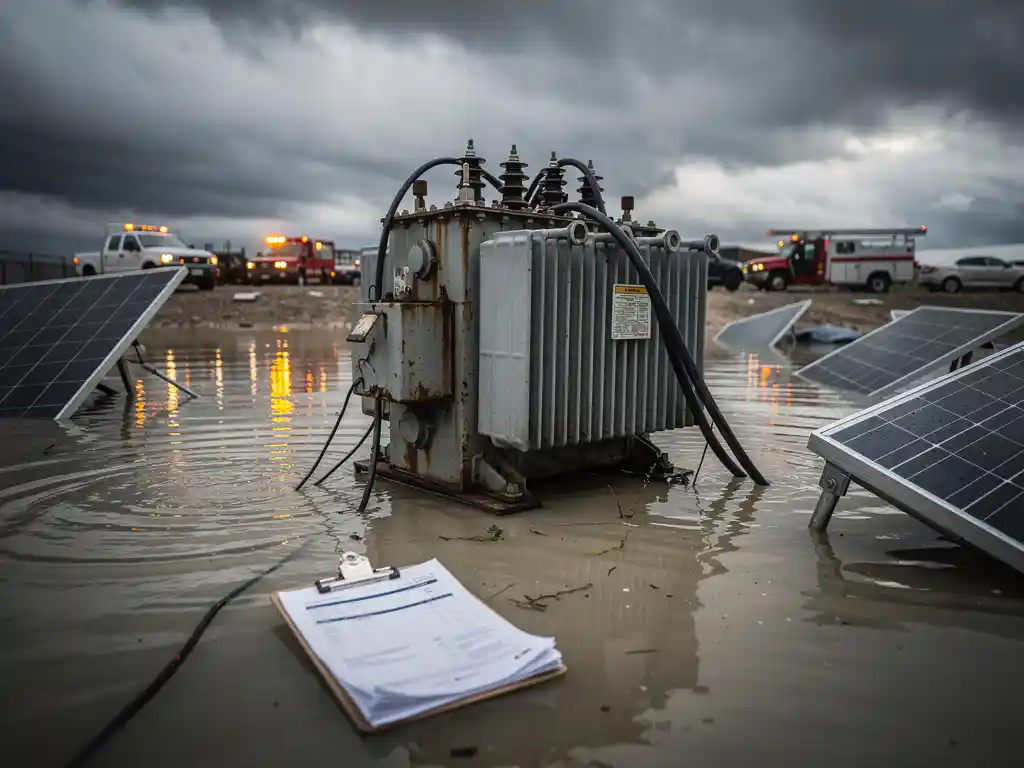
Can renewable energy companies be sued for grid failures?
As renewable energy projects become increasingly integrated into power grids worldwide, questions about legal liability for grid failures are becoming more pressing. The complexity of modern electrical systems means that when grid failures occur, determining responsibility can be challenging, particularly when renewable energy sources are involved.
Understanding the legal landscape surrounding renewable energy liability is crucial for project developers, investors, and operators who need to protect their investments while contributing to grid stability. This knowledge helps stakeholders make informed decisions about risk management and insurance coverage.
Can renewable energy companies be held legally liable for grid failures?
Yes, renewable energy companies can potentially be held legally liable for grid failures, but liability typically depends on demonstrating direct causation, negligence, or a breach of contractual obligations. Most grid failures result from multiple factors, making it difficult to establish sole responsibility for renewable energy operators.
Legal liability for grid failures generally requires proving that the renewable energy company failed to meet industry standards, violated grid codes, or acted negligently in its operations. Courts examine whether the company followed proper maintenance procedures, adhered to interconnection agreements, and complied with grid operator requirements.
The legal framework varies significantly by jurisdiction, but most systems require clear evidence of fault rather than simply being connected to the grid when a failure occurs. Power purchase agreements and interconnection contracts typically include specific provisions on grid compliance and liability allocation, which can limit exposure for renewable energy companies that operate within agreed parameters.
What types of grid failures could result in lawsuits against renewable energy companies?
Grid failures that could result in lawsuits against renewable energy companies include equipment malfunctions that cause voltage fluctuations, frequency disturbances caused by inadequate grid support systems, and cascading failures triggered by improper disconnection procedures during emergencies.
Specific scenarios that may lead to legal action include inverter failures that inject harmonics into the grid, causing damage to other equipment or disrupting power quality. Anti-islanding protection failures can create dangerous conditions for grid workers, potentially resulting in injury claims and regulatory violations.
Cybersecurity breaches affecting renewable energy control systems represent an emerging area of liability risk. If hackers gain access to solar or storage systems and use them to destabilize the grid, operators may face lawsuits for inadequate cybersecurity measures. Similarly, failure to respond appropriately to grid operator curtailment signals or emergency disconnection commands can contribute to system instability and potential liability.
How do power purchase agreements protect renewable energy companies from grid liability?
Power purchase agreements protect renewable energy companies from grid liability through specific indemnification clauses, liability caps, and a clear allocation of responsibilities between the energy producer and the grid operator or utility purchaser.
These agreements typically include force majeure provisions that excuse performance during grid emergencies or system failures beyond the renewable energy company’s control. Liability limitations often cap damages at specific amounts or exclude consequential damages, protecting companies from potentially catastrophic financial exposure.
Grid code compliance requirements within power purchase agreements establish clear standards for interconnection and operation. When renewable energy companies meet these specified technical requirements, the agreements generally shield them from liability for grid issues that arise from factors outside their control. Insurance requirements specified in these contracts also ensure adequate coverage is in place to handle potential claims.
What insurance coverage protects renewable energy projects from grid-related lawsuits?
Professional liability insurance, general liability coverage, and specialized renewable energy insurance policies protect projects from grid-related lawsuits by covering legal defense costs, settlements, and damages arising from operational errors or equipment failures.
Professional liability insurance covers claims related to design errors, operational mistakes, or failure to meet professional standards in grid interconnection and operation. This coverage is particularly important for companies providing grid support services or operating complex storage systems that interact directly with grid stability mechanisms.
Comprehensive renewable energy insurance packages often include coverage for business interruption losses resulting from grid-related incidents, protection against third-party claims for power quality issues, and coverage for regulatory fines or penalties. Some policies specifically address cybersecurity risks that could affect grid operations, providing crucial protection as digital threats to energy infrastructure continue to evolve.
How can renewable energy companies minimize their legal exposure to grid failure claims?
Renewable energy companies can minimize legal exposure to grid failure claims by implementing rigorous maintenance protocols, ensuring strict compliance with grid codes and interconnection agreements, and maintaining comprehensive documentation of all operational procedures and system performance.
Regular equipment inspections and preventive maintenance programs help prevent failures that could contribute to grid instability. Companies should establish clear communication protocols with grid operators and maintain real-time monitoring systems that can quickly detect and respond to grid conditions or equipment issues.
Staff training on grid code requirements and emergency procedures ensures an appropriate response during critical situations. Cybersecurity measures, including regular security audits and employee training, protect against digital threats that could compromise grid-connected systems. Working with experienced legal counsel to review contracts and insurance coverage helps identify and address potential liability gaps before they become problems.
How Solarif helps with renewable energy legal risk management
At Solarif, we understand that effective risk management is essential for any solar project, especially when it comes to grid-related legal exposure. With over 15 years of experience and 3.8 GW of insured capacity, we provide comprehensive insurance solutions specifically designed for renewable energy projects facing complex liability challenges.
Our specialized services include:
- Risk insurance coverage protecting against damage, loss, and liability claims related to grid operations
- Professional liability insurance for operational errors and grid code compliance issues
- Performance insurance ensuring protection against equipment failures that could affect grid stability
- Scope 12 inspections that verify installation safety and compliance, supporting insurability
- Expert risk assessment and documentation to strengthen legal protection
As insurance brokers specializing in renewable energy, we work with A-rated insurers to provide tailored coverage that addresses the specific legal risks your project faces. Our international network ensures comprehensive protection whether you’re operating locally or across multiple jurisdictions.
Ready to protect your renewable energy project from grid-related legal risks? Contact our experts today for a comprehensive risk assessment and customized insurance solution.
Insurance and inspection needs for your BESS?
Contact us today if you want to know more about the possibilities in BESS insurance and Scope inspections.
📧 Email: support@solarif.com
☎️ Phone: +31 (0)26 711 5050