



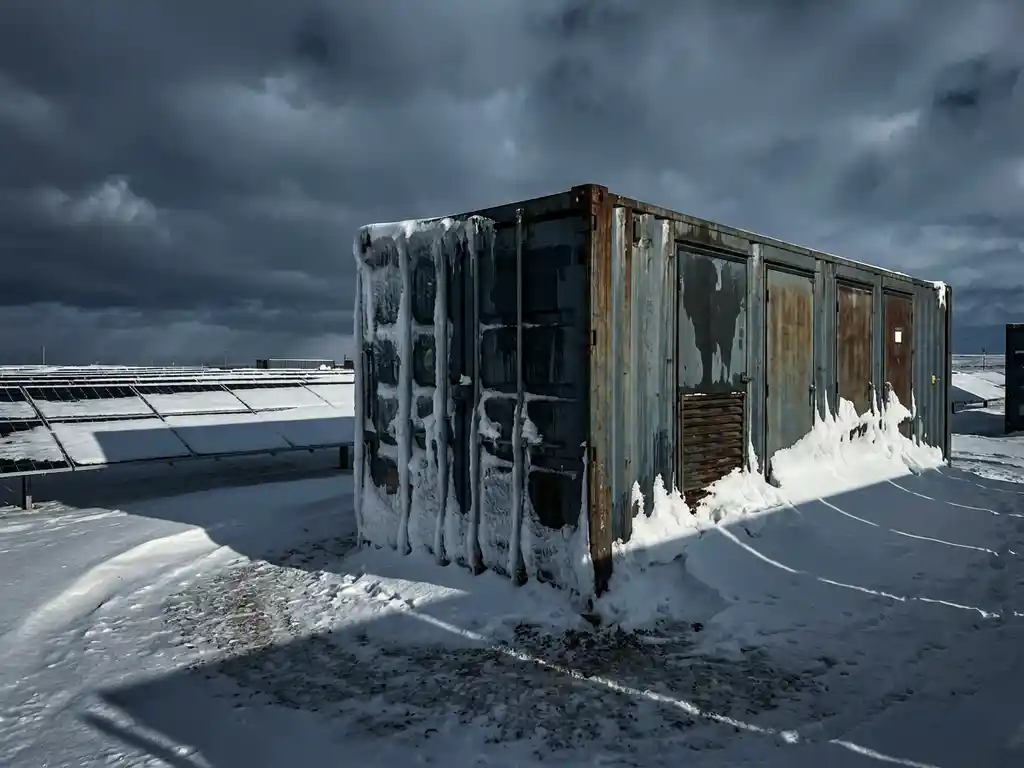
Can weather conditions damage BESS installations?
Battery Energy Storage Systems (BESS) represent a significant investment in renewable energy infrastructure, but their outdoor placement and complex electronics make them vulnerable to a range of weather conditions. As these systems become increasingly critical for grid stability and energy management, understanding how weather can affect BESS installations is essential for project developers, investors, and operators.
Weather-related damage to BESS installations can result in costly repairs, extended downtime, and potential safety hazards. From extreme temperatures that affect battery performance to flooding that can destroy electronic components, environmental factors pose real risks that must be carefully assessed and mitigated during the planning and operational phases of any battery storage project.
What Weather Conditions Pose the Greatest Risks to BESS Installations?
The most significant weather threats to BESS installations include extreme temperatures, flooding, high winds, hail, lightning strikes, and prolonged exposure to humidity. These conditions can damage battery cells, compromise safety systems, and disrupt the thermal management systems that keep batteries operating within safe parameters.
Extreme heat poses particular challenges because lithium-ion batteries, the most common technology in BESS installations, are sensitive to temperature fluctuations. When ambient temperatures exceed design limits, cooling systems must work harder, increasing energy consumption and potentially leading to system failures. Conversely, extreme cold can reduce battery capacity and efficiency, affecting the installation’s overall performance.
Flooding represents another critical risk, as water infiltration can cause immediate damage to electrical components and create long-term corrosion issues. Even brief exposure to water can compromise the Power Conversion System and the Battery Management System, leading to complete system failure. High winds can damage protective housing and cooling equipment, while hail can crack solar panels in hybrid installations and damage external components.
Lightning strikes pose both direct and indirect threats, including electromagnetic pulses that can damage sensitive electronics. The combination of these weather factors during severe storms creates compound risks that require comprehensive protection strategies.
How Do Extreme Temperatures Damage Battery Storage Systems?
Extreme temperatures damage battery storage systems by accelerating chemical degradation in battery cells, overwhelming thermal management systems, and triggering thermal runaway events that can lead to fires or explosions. High temperatures above 35°C can permanently reduce battery capacity and lifespan, while temperatures below freezing can cause electrolyte crystallization and reduced performance.
When BESS installations experience prolonged exposure to high temperatures, lithium-ion cells undergo accelerated aging. This thermal stress breaks down the electrolyte and causes the formation of solid electrolyte interphase layers that reduce the battery’s ability to store and release energy efficiently. The Battery Management System works to prevent overheating, but extreme conditions can overwhelm these protective measures.
Cold weather creates different challenges by increasing internal resistance within battery cells, reducing their ability to deliver power effectively. Frozen electrolytes can expand and damage cell structures, while condensation caused by temperature fluctuations can create moisture problems within system enclosures.
Thermal runaway represents the most serious temperature-related risk. This occurs when a battery cell overheats and enters an uncontrolled chemical reaction that generates more heat, potentially spreading to adjacent cells. Modern BESS installations include sophisticated thermal management systems with cooling and ventilation to prevent these scenarios, but extreme weather can push these systems beyond their design limits.
Can Flooding and Water Damage Destroy BESS Equipment?
Yes, flooding and water damage can completely destroy BESS equipment by causing immediate electrical failures, corroding components, and creating safety hazards that may require complete system replacement. Water infiltration into battery enclosures can cause short circuits, damage control systems, and create conditions for dangerous chemical reactions.
When water enters BESS installations, it immediately threatens the electrical integrity of the system. The Power Conversion System, which handles the conversion between DC battery power and AC grid power, contains sensitive electronics that cannot function when exposed to moisture. Water can also compromise the Battery Management System, eliminating the safety controls that prevent overcharging, overheating, and other dangerous conditions.
Beyond immediate electrical damage, water exposure creates long-term corrosion issues that can affect system reliability for months or years after the initial flooding event. Saltwater poses even greater risks due to its higher conductivity and corrosive properties. Even after water recedes, residual moisture can continue to cause problems if not properly addressed.
The combination of water and electrical systems also creates serious safety hazards for maintenance personnel. Flooded BESS installations may require complete decommissioning and replacement rather than repair, making flood protection a critical consideration during site selection and system design.
What Protection Measures Prevent Weather Damage to BESS?
Effective weather protection for BESS installations includes elevated foundations, weatherproof enclosures, redundant thermal management systems, lightning protection, and comprehensive drainage systems. These measures work together to create multiple layers of defense against environmental threats while maintaining system accessibility for maintenance.
Proper site preparation forms the foundation of weather protection. BESS installations should be placed on elevated platforms or foundations that raise equipment above potential flood levels. Adequate drainage systems around the installation prevent water accumulation during heavy rainfall events. The selection of installation sites should consider local weather patterns, flood zones, and historical climate data.
Weatherproof enclosures protect sensitive components from direct exposure to rain, snow, and wind-driven debris. These enclosures must maintain proper ventilation for thermal management while preventing water infiltration. High-quality seals and gaskets are essential for maintaining weatherproof integrity over the system’s operational lifetime.
Redundant thermal management systems ensure that cooling and heating functions continue operating even if primary systems fail during extreme weather events. This includes backup power supplies for cooling systems and multiple temperature sensors throughout the installation. Lightning protection systems, including surge arresters and proper grounding, protect against both direct strikes and electromagnetic interference.
Regular maintenance and inspection programs help identify potential weather-related vulnerabilities before they lead to system failures. This includes checking seals, testing drainage systems, and verifying the operation of all protective systems.
How Do You Assess Weather Damage Risk Before Installing BESS?
Weather damage risk assessment for BESS installations involves analyzing historical climate data, conducting site-specific environmental studies, evaluating local flood risks, and reviewing extreme weather patterns for the proposed location. This comprehensive evaluation helps determine appropriate protection measures and informs insurance requirements.
The assessment process begins with collecting historical weather data for the installation site, including temperature extremes, precipitation patterns, wind speeds, and the frequency of severe weather events. This data should cover at least 20–30 years to identify long-term trends and rare but significant weather events. Climate change projections should also be considered to account for changing weather patterns over the system’s operational lifetime.
Site-specific factors require detailed evaluation, including topography, drainage patterns, proximity to water bodies, and local microclimate conditions. Flood risk assessment involves reviewing FEMA flood maps, historical flooding events, and potential changes in flood patterns due to development or climate change. Wind exposure analysis considers surrounding terrain and structures that might affect wind patterns and speeds.
Professional environmental consultants can conduct detailed risk assessments that consider the interaction between different weather factors and their potential impact on BESS operations. These studies inform the selection of appropriate protection measures and help establish realistic expectations for system availability and maintenance requirements.
The risk assessment should also consider the cumulative effects of weather exposure over time, as repeated exposure to moderate weather conditions can cause gradual degradation that eventually leads to system failures.
How Solarif Helps with BESS Weather Risk Management
We provide comprehensive risk management and insurance solutions specifically designed for BESS installations facing weather-related challenges. Our specialized expertise in renewable energy projects helps developers and investors protect their battery storage investments against environmental risks while ensuring optimal system performance and longevity.
Our BESS risk management services include:
- Detailed weather risk assessments using our 15+ years of renewable energy project experience
- Customized insurance solutions that cover weather-related damage and business interruption
- Quality inspections to verify proper weather protection measures during installation
- Ongoing risk monitoring and assessment throughout the operational lifetime
- Connections with certified installation partners who specialize in weather-resistant BESS designs
As an insurance broker specializing in renewable energy projects, we understand that insurers often require comprehensive weather protection measures before providing coverage for BESS installations. Our team works closely with project developers to ensure all necessary protections are in place while securing competitive insurance rates.
Contact our renewable energy insurance experts today to discuss weather risk management strategies for your BESS project and secure comprehensive protection against environmental threats.
Insurance and inspection needs for your BESS?
Contact us today if you want to know more about the possibilities in BESS insurance and Scope inspections.
📧 Email: support@solarif.com
☎️ Phone: +31 (0)26 711 5050