


How do cyberattacks affect grid-connected solar systems?
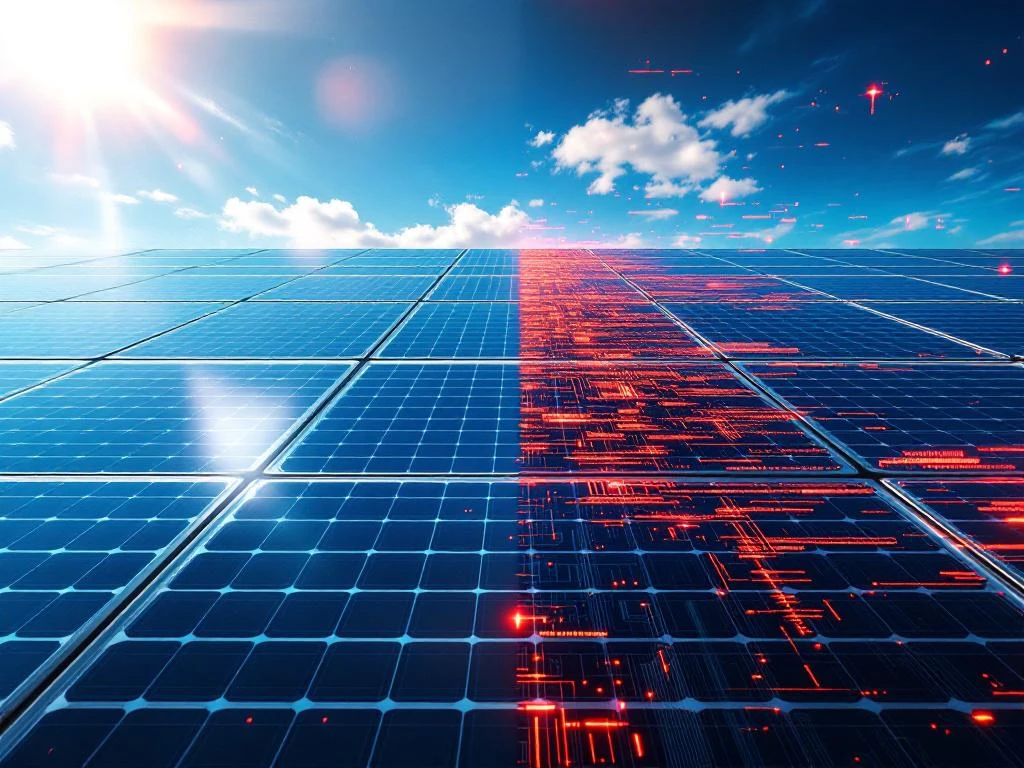
Cyberattacks on grid-connected solar systems pose growing threats to renewable energy infrastructure through digital vulnerabilities in modern installations. Smart inverters, monitoring systems, and grid communication protocols create entry points for hackers seeking to disrupt energy production or steal operational data. These cyber threats can cause system shutdowns, financial losses, and broader grid instability.
What makes grid-connected solar systems vulnerable to cyberattacks?
Grid-connected solar systems contain numerous digital components that create potential entry points for cybercriminals. Smart inverters, monitoring platforms, and communication networks all require internet connectivity, making them accessible to remote attacks.
Modern solar installations rely heavily on digital infrastructure for optimal performance. Smart inverters communicate with grid operators to manage power flow and voltage regulation. Monitoring systems track energy production, system health, and performance metrics through cloud-based platforms. These same connections that enable remote monitoring and automated grid management also provide pathways for malicious actors.
Communication protocols used in solar systems often lack robust security measures. Many installations use standard internet protocols without adequate encryption or authentication. Wireless connections between system components can be intercepted, and network traffic may reveal system vulnerabilities to sophisticated attackers.
How do hackers actually target solar energy systems?
Cybercriminals typically exploit weak authentication systems, unsecured network connections, and outdated firmware in solar installations. Common attack vectors include malware injection through compromised software updates and network infiltration via poorly secured wireless connections.
Attackers often begin by scanning for systems using default passwords or weak authentication credentials. Many solar monitoring systems ship with standard login information that owners never change. Once inside a network, hackers can move laterally between connected devices, gaining access to inverters, monitoring equipment, and grid communication systems.
Phishing attacks targeting solar system operators represent another significant threat. Malicious emails containing infected attachments can compromise monitoring software or provide remote access to system controls. Firmware updates from compromised sources can introduce malware directly into inverter systems, giving attackers persistent access to solar installations.
What happens when a solar system gets hacked?
Successful cyberattacks on solar systems can result in immediate production shutdowns, data theft, and potential grid destabilization. Attackers may disable inverters remotely, manipulate energy output readings, or steal sensitive operational and customer data.
System shutdowns represent the most immediate impact of solar cyberattacks. Hackers can remotely disable inverters or monitoring systems, stopping energy production entirely. This creates direct financial losses through lost energy sales and potential contract penalties for commercial installations.
Data theft poses long-term risks for solar operators. Attackers may steal customer information, energy consumption patterns, or proprietary system configurations. This information can be sold on dark web markets or used for future attacks against the same targets or similar installations.
Grid stability concerns arise when multiple solar installations face coordinated attacks. Simultaneous shutdowns of distributed solar resources can create voltage fluctuations or frequency instabilities that affect broader electrical networks.
Why are smart inverters the biggest cybersecurity weak point?
Smart inverters serve as the central control hub for grid-connected solar systems, managing power conversion, grid communication, and system monitoring functions. Their internet connectivity and central role make them attractive targets for cybercriminals seeking maximum impact.
These devices require constant communication with grid operators to manage power quality and respond to grid conditions. This connectivity creates persistent network connections that attackers can exploit. Smart inverters often run on embedded operating systems with limited security features and infrequent security updates.
Firmware vulnerabilities in smart inverters pose particular risks because these devices typically have long operational lifespans. Many installations continue using inverters for decades without firmware updates, leaving known security vulnerabilities unpatched. Communication protocols used by inverters may lack encryption or use weak authentication methods that sophisticated attackers can bypass.
How can you protect your solar installation from cyber threats?
Effective solar cybersecurity requires regular firmware updates, network segmentation, and strong authentication practices. Implementing these measures significantly reduces vulnerability to common attack methods while maintaining system functionality.
Regular firmware updates represent the most important security measure for solar installations. Manufacturers regularly release patches addressing newly discovered vulnerabilities. Establishing automated update procedures ensures systems receive security patches promptly without requiring manual intervention.
Network segmentation isolates solar system components from broader internet access. Creating dedicated networks for solar equipment prevents attackers from using compromised solar systems to access other business networks. Firewall rules should restrict communication to only necessary protocols and destinations.
Strong password policies and multi-factor authentication protect against credential-based attacks. Change all default passwords immediately after installation and implement unique, complex passwords for each system component. Regular password rotation and access reviews help maintain security over time. Comprehensive inspection and assessment services should include cybersecurity considerations alongside traditional operational evaluations.
How does Solarif help with solar cybersecurity protection?
We provide cybersecurity protection for commercial solar installations through specialized inspections that evaluate digital security measures and insurance coverage for cyber-related damages. Our approach combines thorough inspections and assessments with financial protection against cyber threats.
Our cybersecurity services include:
- Security-focused inspections – Detailed evaluations that include cybersecurity assessments alongside traditional performance checks
- System vulnerability assessments – Inspections that identify potential digital security weaknesses in your solar installation
- Cyber insurance coverage – Protection against financial losses from system shutdowns, data breaches, and recovery costs
- Incident response support – Immediate assistance and expert guidance when cyber incidents occur
As an insurance broker specializing in renewable energy projects, we understand the unique cybersecurity challenges facing commercial solar installations. Our partnerships with leading insurers enable us to provide comprehensive coverage that addresses both traditional operational risks and emerging cyber threats.
Contact our cybersecurity experts today to assess your solar installation’s vulnerabilities and implement comprehensive protection measures that safeguard your renewable energy investment.
Insurance and inspection needs for your BESS?
Contact us today if you want to know more about the possibilities in BESS insurance and Scope inspections.
📧 Email: support@solarif.com
☎️ Phone: +31 (0)26 711 5050