



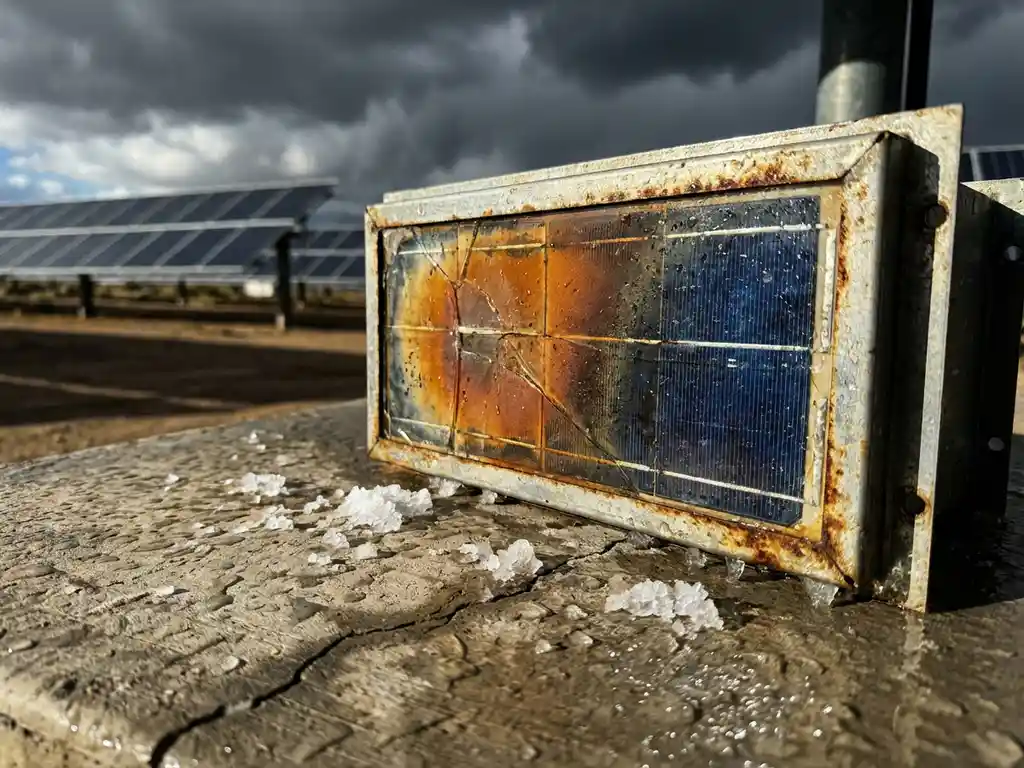
How do environmental factors affect battery safety?
Battery safety in renewable energy storage systems depends heavily on environmental conditions that can trigger dangerous failures or accelerate degradation. Temperature extremes, humidity levels, and severe weather events pose significant risks to Battery Energy Storage Systems (BESS), potentially leading to thermal runaway, reduced performance, and costly system failures.
Understanding these environmental factors is crucial for project developers, EPC contractors, and facility operators who need to protect their investments and ensure safe operations. Environmental conditions don’t just affect performance; they can also create scenarios in which insurance coverage becomes essential due to pollution risks and safety hazards.
What Environmental Factors Pose the Greatest Risk to Battery Safety?
The most critical environmental factors threatening battery safety are extreme temperatures, high humidity, water ingress, and severe weather conditions. These factors can trigger thermal runaway in lithium-ion batteries, accelerate chemical degradation, and compromise protective systems that prevent dangerous failures.
Temperature extremes represent the primary environmental threat to battery systems. Lithium-ion batteries, particularly NMC (Nickel Manganese Cobalt) chemistries, become increasingly unstable when exposed to excessive heat. High temperatures can initiate thermal runaway, a dangerous condition in which batteries generate their own heat and can ignite spontaneously. Conversely, extremely cold conditions reduce battery capacity and can cause permanent damage to cell structures.
Humidity and moisture create multiple safety risks through corrosion of electrical components and potential short circuits. Water ingress can compromise the Battery Management System (BMS) and create conductive pathways that lead to electrical faults. When combined with battery electrolytes, water can form corrosive compounds that damage containment systems and increase the risk of toxic leakage.
Severe weather events, including floods, hail, high winds, and lightning strikes, can physically damage battery enclosures and safety systems. These events often occur rapidly, overwhelming protective measures and creating emergency situations that require an immediate response to prevent environmental contamination.
How Does Temperature Affect Battery Performance and Safety?
Temperature directly impacts battery chemistry, with high temperatures accelerating degradation and creating thermal runaway risks, while low temperatures reduce capacity and can cause permanent cell damage. Optimal operating temperatures for most lithium-ion batteries range between 15-25°C (59-77°F).
Excessive heat poses the greatest safety threat to battery systems. When lithium-ion cells exceed safe temperature thresholds, typically around 60-80°C (140-176°F) depending on chemistry, they can enter thermal runaway. This self-sustaining reaction generates intense heat and toxic gases and can spread to adjacent cells, creating fires that are difficult to extinguish. LFP (Lithium Iron Phosphate) batteries demonstrate better thermal stability than NMC variants, making them increasingly popular for stationary storage applications where safety outweighs energy density.
Cold temperatures present different challenges, reducing battery capacity and efficiency. When temperatures drop below freezing, lithium-ion batteries can suffer permanent damage through lithium plating, in which metallic lithium deposits on the anode surface. This process reduces capacity and can create internal short circuits over time.
Effective thermal management systems are essential for maintaining safe operating conditions. These systems typically include active cooling through HVAC systems, passive cooling through thermal mass, and sophisticated monitoring that can shut down operations when temperatures exceed safe limits. The BMS plays a crucial role by continuously monitoring cell temperatures and initiating protective measures when necessary.
What Role Does Humidity Play in Battery Degradation?
High humidity accelerates battery degradation through corrosion of electrical components, electrolyte contamination, and reduced insulation effectiveness. Moisture can penetrate battery enclosures and create conductive pathways that lead to short circuits and system failures.
Humidity affects battery systems through multiple mechanisms. Water vapor can condense inside battery enclosures, particularly during temperature fluctuations, creating moisture that corrodes electrical connections and control systems. The BMS, which is critical for safe operation, contains sensitive electronics that can malfunction when exposed to high humidity levels.
Electrolyte contamination represents another significant risk. If moisture reaches battery cells, it can react with electrolytes to form corrosive compounds that degrade cell performance and compromise containment. This process can lead to electrolyte leakage, creating environmental hazards that require specialized cleanup procedures.
Proper enclosure design and environmental controls are essential for humidity management. BESS installations typically include dehumidification systems, sealed enclosures with appropriate IP ratings, and continuous monitoring of internal humidity levels. Maintaining relative humidity below 60% is generally recommended for optimal system longevity and safety.
How Can Weather Conditions Create Battery Safety Hazards?
Severe weather events create immediate safety hazards through physical damage to battery systems, flooding that can cause electrical faults, and extreme temperature swings that overwhelm thermal management systems. These conditions can trigger emergency situations requiring rapid response to prevent environmental contamination.
Flooding poses particularly serious risks to battery installations. Water contact with energized battery systems can create electrocution hazards and cause short circuits that may trigger fires or explosions. Additionally, floodwater can carry battery electrolytes and other hazardous materials away from the installation site, creating widespread environmental contamination that requires extensive remediation.
High winds and hail can physically damage battery enclosures, compromising fire suppression systems and environmental controls. When protective systems fail during severe weather, batteries become vulnerable to the very conditions these systems were designed to prevent. Lightning strikes can overwhelm electrical protection systems and cause sudden, catastrophic failures.
Extreme weather events often occur when emergency response resources are stretched thin, making rapid containment of battery-related incidents more difficult. Fire departments may be dealing with multiple emergencies, and specialized hazmat teams needed for battery fires may not be immediately available. This delay can allow incidents to escalate and cause more extensive environmental damage.
What Protection Measures Prevent Environmental Battery Damage?
Effective protection against environmental battery damage requires multiple layers, including robust enclosures with appropriate IP ratings, active thermal management systems, comprehensive monitoring, and emergency response protocols. These measures work together to prevent incidents and minimize consequences when failures occur.
Physical protection starts with properly designed enclosures that meet or exceed IP65 ratings for outdoor installations. These enclosures must withstand local weather conditions while maintaining environmental controls. Fire suppression systems specifically designed for battery fires, such as water mist or specialized gas suppression, provide critical protection when thermal events occur.
Active monitoring systems continuously track temperature, humidity, gas emissions, and other critical parameters. Modern BMS technology can detect early warning signs of thermal runaway and initiate protective shutdowns before dangerous conditions develop. Integration with facility management systems allows for coordinated responses that can include HVAC adjustments, fire suppression activation, and emergency notifications.
Emergency response planning must address the unique challenges of battery incidents. This includes training local fire departments on battery fire suppression techniques, establishing clear evacuation procedures, and maintaining relationships with specialized hazmat contractors who can handle battery-related environmental incidents. Regular drills and equipment testing ensure these systems function properly when needed.
Preventive maintenance programs play a crucial role in environmental protection. Regular inspections can identify potential issues before they become safety hazards, while proper maintenance of thermal management and fire suppression systems ensures these critical protections remain functional throughout the system’s operational life.
How Solarif Helps with Battery Safety and Environmental Protection
We provide comprehensive insurance solutions and risk management services specifically designed for battery storage projects facing environmental challenges. Our specialized environmental liability coverage addresses the unique risks that general liability policies exclude, ensuring complete protection for BESS installations.
Our services include:
- Environmental liability coverage for pollution events, including toxic leakage and groundwater contamination
- Scope 12 inspections that identify potential environmental and safety risks before they become costly problems
- Risk assessments that evaluate thermal management systems and emergency response protocols
- Claims support for environmental remediation and regulatory compliance costs
- Expert guidance on insurance requirements for battery storage projects across different jurisdictions
As insurance brokers specializing in renewable energy projects, we understand that insurers increasingly require comprehensive environmental protection measures for BESS installations. Projects lacking proper thermal runaway prevention or environmental controls may face higher premiums or coverage exclusions. Contact our renewable energy insurance experts today to ensure your battery storage project has the environmental protection it needs to operate safely and maintain insurability throughout its operational life.
Insurance and inspection needs for your BESS?
Contact us today if you want to know more about the possibilities in BESS insurance and Scope inspections.
📧 Email: support@solarif.com
☎️ Phone: +31 (0)26 711 5050